The coronavirus pandemic has pummeled the finances of millions through lost income and plummeting investments. In response, the federal government is issuing up to $1,200 for individuals ($2,400 for couples) in stimulus payments for U.S. taxpayers with social security numbers.
But not all taxpayers will qualify for a stimulus payment, and some will only qualify for a portion of the entire payment. A LendingTree study examined all 50 states and the District of Columbia to find where a higher proportion of residents will qualify for the full stimulus benefit.
Image Credit: DepositPhotos.com.
About the CARES Act and stimulus checks

The $2.2 trillion Coronavirus Aid, Relief, and Economic Security Act (CARES Act) was introduced to the Senate on March 19 and was signed into law by President Trump on March 27. While the legislation offers a wide array of financial relief measures, Americans have closely followed news of the $1,200 stimulus, the Economic Impact Payment. Nearly half of stimulus recipients plan to spend the money on groceries and bills, an April 2020 MagnifyMoney survey found, and about seven in 10 “need” the money. Some qualified taxpayers reported receiving the money via direct deposit over Easter weekend.
Eligible taxpayers with a social security number can receive up to $1,200 for individuals or $2,400 for married couples, plus up to $500 for each qualifying child.
Eligible taxpayers who qualify for the full stimulus benefit include:
- Individual filers who reported less than $75,000 in income
- Joint filers who reported less than $150,000 in combined income
- Heads of households who reported less than $112,500 in income
Eligible taxpayers who won’t qualify for the stimulus benefit include:
- Individual filers who reported more than $99,000 in income
- Joint filers who reported more than $198,000 in income
- Heads of households who reported more than $136,500 in income
Those who fall somewhere between those thresholds will qualify for a reduced stimulus payment, as long as they filed taxes in 2018 or 2019 and they have a social security number.
Americans living abroad who filed taxes and have a social security number are eligible to qualify. Some immigrants, including green card holders and those who are in America on a work visa, may qualify if they filed taxes for 2018 or 2019, have a social security number and meet the criteria outlined by the CARES Act. Non-resident aliens (those who are neither U.S. citizens nor nationals and have passed requisite tests) and temporary workers, however, will not qualify.
Image Credit: DepositPhotos.com.
Methodology

In order to rank the states where tax-paying residents with social security numbers are most likely to receive the full benefit of the stimulus package, we looked at IRS data. Specifically, we looked at the number of single tax filers with adjusted gross incomes under $75,000, joint filers with adjusted gross incomes under $150,000 and head of household filers with adjusted gross incomes under $112,500.
In order to estimate the number of joint filers earning under $150,000 we assumed that 50% of filers in the bucket of those earning between $100,000 and $200,000 earned less than $150,000. We assumed 12.5% of head of household filers in the same bucket earned less than $112,500. We then tallied up the total tax returns expecting the full benefit and compared it to the total number of tax returns. We ranked the states from highest to lowest based on this figure.
Data comes from the IRS and is for tax year 2017.
Here are the percentage of residents in each state and the District of Columbia getting the full stimulus check amount:
Image Credit: DragonImages.
51. Washington, D.C.

Percent of single filers earning less than $75,000: 71.6%
Percent of joint filers earning less than $150,000: 44.5%
Percent of head of household filers earning less than $112,500: 93.9%
Percent of all tax filers getting full amount: 70.5%
Image Credit: dkfielding.
50. Massachusetts

Percent of single filers earning less than $75,000: 85.3%
Percent of joint filers earning less than $150,000: 61.6%
Percent of head of household filers earning less than $112,500: 93.1%
Percent of all tax filers getting full amount: 77.9%
Image Credit: Sean Pavone.
49. New Jersey

Percent of single filers earning less than $75,000: 85.5%
Percent of joint filers earning less than $150,000: 62.6%
Percent of head of household filers earning less than $112,500: 92.4%
Percent of all tax filers getting full amount: 78.2%
Image Credit: DepositPhotos.com.
48. Connecticut

Percent of single filers earning less than $75,000: 86.0%
Percent of joint filers earning less than $150,000: 62.6%
Percent of head of household filers earning less than $112,500: 93.3%
Percent of all tax filers getting full amount: 78.6%
Image Credit: traveler1116.
47. Maryland

Percent of single filers earning less than $75,000: 85.0%
Percent of joint filers earning less than $150,000: 63.3%
Percent of head of household filers earning less than $112,500: 92.9%
Percent of all tax filers getting full amount: 78.9%
Image Credit: DepositPhotos.com.
46. Washington

Percent of single filers earning less than $75,000: 85.6%
Percent of joint filers earning less than $150,000: 69.5%
Percent of head of household filers earning less than $112,500: 94.1%
Percent of all tax filers getting full amount: 80.0%
Image Credit: 4nadia.
45. Virginia

Percent of single filers earning less than $75,000: 86.4%
Percent of joint filers earning less than $150,000: 68.1%
Percent of head of household filers earning less than $112,500: 94.7%
Percent of all tax filers getting full amount: 80.3%
Image Credit: tmersh.
44. California

Percent of single filers earning less than $75,000: 84.6%
Percent of joint filers earning less than $150,000: 69.5%
Percent of head of household filers earning less than $112,500: 93.3%
Percent of all tax filers getting full amount: 80.5%
Image Credit: DepositPhotos.com.
43. New York

Percent of single filers earning less than $75,000: 84.7%
Percent of joint filers earning less than $150,000: 69.9%
Percent of head of household filers earning less than $112,500: 93.6%
Percent of all tax filers getting full amount: 81.4%
Image Credit: Eloi_Omella.
42. Colorado

Percent of single filers earning less than $75,000: 87.9%
Percent of joint filers earning less than $150,000: 70.2%
Percent of head of household filers earning less than $112,500: 94.3%
Percent of all tax filers getting full amount: 81.8%
Image Credit: ” Adventure_Photo.
41. New Hampshire

Percent of single filers earning less than $75,000: 89.3%
Percent of joint filers earning less than $150,000: 69.4%
Percent of head of household filers earning less than $112,500: 94.4%
Percent of all tax filers getting full amount: 81.9%
Image Credit: DenisTangneyJr.
40. Alaska

Percent of single filers earning less than $75,000: 87.7%
Percent of joint filers earning less than $150,000: 71.2%
Percent of head of household filers earning less than $112,500: 94.3%
Percent of all tax filers getting full amount: 82.3%
Image Credit: Chilkoot.
39. Illinois

Percent of single filers earning less than $75,000: 88.0%
Percent of joint filers earning less than $150,000: 70.9%
Percent of head of household filers earning less than $112,500: 96.2%
Percent of all tax filers getting full amount: 83.1%
Image Credit: IanDikhtiar.
38. Minnesota

Percent of single filers earning less than $75,000: 90.6%
Percent of joint filers earning less than $150,000: 71.2%
Percent of head of household filers earning less than $112,500: 95.7%
Percent of all tax filers getting full amount: 83.4%
Image Credit: Jacob Boomsma.
37. Delaware

Percent of single filers earning less than $75,000: 89.0%
Percent of joint filers earning less than $150,000: 72.3%
Percent of head of household filers earning less than $112,500: 95.8%
Percent of all tax filers getting full amount: 84.0%
Image Credit: mdgmorris.
36. Hawaii

Percent of single filers earning less than $75,000: 88.6%
Percent of joint filers earning less than $150,000: 75.2%
Percent of head of household filers earning less than $112,500: 95.0%
Percent of all tax filers getting full amount: 84.3%
Image Credit: DepositPhotos.com.
35. Oregon

Percent of single filers earning less than $75,000: 89.3%
Percent of joint filers earning less than $150,000: 75.3%
Percent of head of household filers earning less than $112,500: 95.7%
Percent of all tax filers getting full amount: 84.5%
Image Credit: DepositPhotos.com.
34. Rhode Island

Percent of single filers earning less than $75,000: 89.7%
Percent of joint filers earning less than $150,000: 71.4%
Percent of head of household filers earning less than $112,500: 96.0%
Percent of all tax filers getting full amount: 84.5%
Image Credit: iStock/Sean Pavone.
33. Pennsylvania

Percent of single filers earning less than $75,000: 90.7%
Percent of joint filers earning less than $150,000: 73.9%
Percent of head of household filers earning less than $112,500: 96.5%
Percent of all tax filers getting full amount: 85.1%
Image Credit: weaver1234.
32. North Dakota

Percent of single filers earning less than $75,000: 91.5%
Percent of joint filers earning less than $150,000: 74.7%
Percent of head of household filers earning less than $112,500: 96.9%
Percent of all tax filers getting full amount: 85.2%
Image Credit: ChrisBoswell.
31. Wyoming

Percent of single filers earning less than $75,000: 90.2%
Percent of joint filers earning less than $150,000: 77.1%
Percent of head of household filers earning less than $112,500: 97.0%
Percent of all tax filers getting full amount: 85.3%
Image Credit: AnujSahaiPhotography.
30. Texas

Percent of single filers earning less than $75,000: 90.1%
Percent of joint filers earning less than $150,000: 74.6%
Percent of head of household filers earning less than $112,500: 96.8%
Percent of all tax filers getting full amount: 85.4%
Image Credit: DepositPhotos.com.
29. Arizona

Percent of single filers earning less than $75,000: 90.0%
Percent of joint filers earning less than $150,000: 76.9%
Percent of head of household filers earning less than $112,500: 96.6%
Percent of all tax filers getting full amount: 86.2%
Image Credit: DepositPhotos.com.
28. Georgia

Percent of single filers earning less than $75,000: 90.5%
Percent of joint filers earning less than $150,000: 74.5%
Percent of head of household filers earning less than $112,500: 97.4%
Percent of all tax filers getting full amount: 86.2%
Image Credit: SeanPavonePhoto.
27. Florida

Percent of single filers earning less than $75,000: 90.5%
Percent of joint filers earning less than $150,000: 76.1%
Percent of head of household filers earning less than $112,500: 96.6%
Percent of all tax filers getting full amount: 86.6%
Image Credit: DepositPhotos.com.
26. Michigan

Percent of single filers earning less than $75,000: 91.9%
Percent of joint filers earning less than $150,000: 76.6%
Percent of head of household filers earning less than $112,500: 96.8%
Percent of all tax filers getting full amount: 86.7%
Image Credit: DepositPhotos.com.
25. Nevada

Percent of single filers earning less than $75,000: 89.5%
Percent of joint filers earning less than $150,000: 77.6%
Percent of head of household filers earning less than $112,500: 96.3%
Percent of all tax filers getting full amount: 86.8%
Image Credit: Deposit Photos.
24. Utah

Percent of single filers earning less than $75,000: 93.2%
Percent of joint filers earning less than $150,000: 78.5%
Percent of head of household filers earning less than $112,500: 96.9%
Percent of all tax filers getting full amount: 86.8%
Image Credit: AndreyKrav.
23. Wisconsin

Percent of single filers earning less than $75,000: 92.6%
Percent of joint filers earning less than $150,000: 76.8%
Percent of head of household filers earning less than $112,500: 97.4%
Percent of all tax filers getting full amount: 86.9%
Image Credit: DepositPhotos.com.
22. Kansas
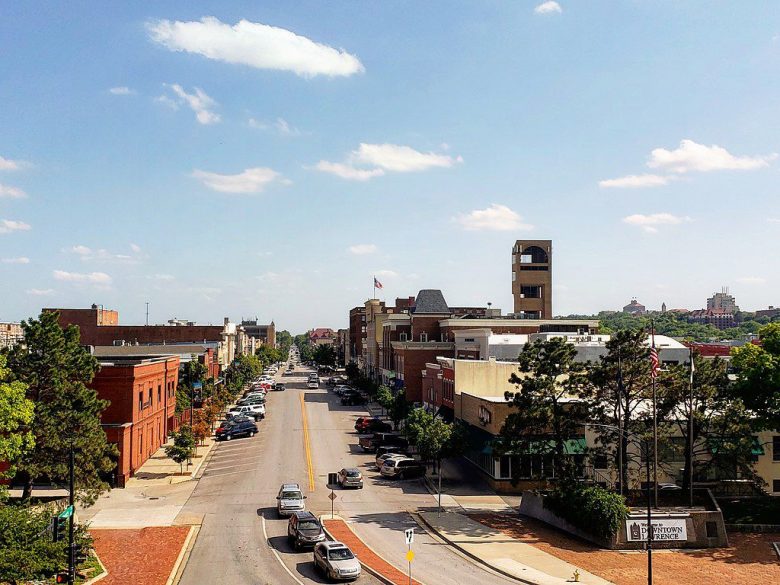
Percent of single filers earning less than $75,000: 93.0%
Percent of joint filers earning less than $150,000: 77.8%
Percent of head of household filers earning less than $112,500: 97.5%
Percent of all tax filers getting full amount: 87.2%
Image Credit: Ian Ballinger .
21. North Carolina

Percent of single filers earning less than $75,000: 92.0%
Percent of joint filers earning less than $150,000: 76.9%
Percent of head of household filers earning less than $112,500: 97.9%
Percent of all tax filers getting full amount: 87.2%
Image Credit: Sean Pavone / iStock.
20. Iowa

Percent of single filers earning less than $75,000: 93.5%
Percent of joint filers earning less than $150,000: 78.2%
Percent of head of household filers earning less than $112,500: 98.2%
Percent of all tax filers getting full amount: 87.5%
Image Credit: DepositPhotos.com.
19. Nebraska

Percent of single filers earning less than $75,000: 93.5%
Percent of joint filers earning less than $150,000: 77.8%
Percent of head of household filers earning less than $112,500: 98.0%
Percent of all tax filers getting full amount: 87.5%
Image Credit: Pixabay.com.
18. Vermont

Percent of single filers earning less than $75,000: 93.0%
Percent of joint filers earning less than $150,000: 77.5%
Percent of head of household filers earning less than $112,500: 97.7%
Percent of all tax filers getting full amount: 87.6%
Image Credit: ” DonLand”.
17. Ohio

Percent of single filers earning less than $75,000: 92.5%
Percent of joint filers earning less than $150,000: 77.6%
Percent of head of household filers earning less than $112,500: 97.6%
Percent of all tax filers getting full amount: 87.8%
Image Credit: Getty.
16. Missouri

Percent of single filers earning less than $75,000: 92.6%
Percent of joint filers earning less than $150,000: 78.9%
Percent of head of household filers earning less than $112,500: 97.6%
Percent of all tax filers getting full amount: 87.9%
Image Credit: Getty.
15. Louisiana

Percent of single filers earning less than $75,000: 91.8%
Percent of joint filers earning less than $150,000: 76.6%
Percent of head of household filers earning less than $112,500: 97.9%
Percent of all tax filers getting full amount: 88.2%
Image Credit: DepositPhotos.com.
14. South Carolina

Percent of single filers earning less than $75,000: 92.9%
Percent of joint filers earning less than $150,000: 77.9%
Percent of head of household filers earning less than $112,500: 98.4%
Percent of all tax filers getting full amount: 88.3%
Image Credit: strickke.
13. Montana

Percent of single filers earning less than $75,000: 93.0%
Percent of joint filers earning less than $150,000: 80.6%
Percent of head of household filers earning less than $112,500: 98.0%
Percent of all tax filers getting full amount: 88.4%
Image Credit: prizrak2084 .
12. Indiana

Percent of single filers earning less than $75,000: 93.4%
Percent of joint filers earning less than $150,000: 79.3%
Percent of head of household filers earning less than $112,500: 97.9%
Percent of all tax filers getting full amount: 88.5%
Image Credit: f11photo.
11. Maine

Percent of single filers earning less than $75,000: 93.2%
Percent of joint filers earning less than $150,000: 80.6%
Percent of head of household filers earning less than $112,500: 97.7%
Percent of all tax filers getting full amount: 88.6%
Image Credit: DepositPhotos.com.
10. South Dakota

Percent of single filers earning less than $75,000: 94.3%
Percent of joint filers earning less than $150,000: 79.5%
Percent of head of household filers earning less than $112,500: 98.6%
Percent of all tax filers getting full amount: 88.6%
Image Credit: 7Michael.
9. Oklahoma

Percent of single filers earning less than $75,000: 92.8%
Percent of joint filers earning less than $150,000: 80.9%
Percent of head of household filers earning less than $112,500: 98.2%
Percent of all tax filers getting full amount: 88.7%
Image Credit: Deposit Photos.
8. Tennessee

Percent of single filers earning less than $75,000: 93.0%
Percent of joint filers earning less than $150,000: 79.6%
Percent of head of household filers earning less than $112,500: 98.1%
Percent of all tax filers getting full amount: 88.7%
Image Credit: NathanMerrill.
7. Idaho

Percent of single filers earning less than $75,000: 93.6%
Percent of joint filers earning less than $150,000: 82.5%
Percent of head of household filers earning less than $112,500: 97.7%
Percent of all tax filers getting full amount: 88.9%
Image Credit: jlh_lunasea.
6. Alabama

Percent of single filers earning less than $75,000: 93.0%
Percent of joint filers earning less than $150,000: 79.4%
Percent of head of household filers earning less than $112,500: 98.7%
Percent of all tax filers getting full amount: 89.1%
Image Credit: James Deitsch.
5. New Mexico

Percent of single filers earning less than $75,000: 91.8%
Percent of joint filers earning less than $150,000: 80.8%
Percent of head of household filers earning less than $112,500: 97.8%
Percent of all tax filers getting full amount: 89.1%
Image Credit: Davel5957.
4. Kentucky

Percent of single filers earning less than $75,000: 93.9%
Percent of joint filers earning less than $150,000: 81.7%
Percent of head of household filers earning less than $112,500: 98.3%
Percent of all tax filers getting full amount: 89.7%
Image Credit: Kirkikis / iStock.
3. Arkansas

Percent of single filers earning less than $75,000: 94.0%
Percent of joint filers earning less than $150,000: 82.6%
Percent of head of household filers earning less than $112,500: 98.8%
Percent of all tax filers getting full amount: 90.3%
Image Credit: DepositPhotos.com.
2. West Virginia

Percent of single filers earning less than $75,000: 93.9%
Percent of joint filers earning less than $150,000: 84.8%
Percent of head of household filers earning less than $112,500: 98.6%
Percent of all tax filers getting full amount: 90.6%
Image Credit: DepositPhotos.com.
1. Mississippi

Percent of single filers earning less than $75,000: 94.5%
Percent of joint filers earning less than $150,000: 81.8%
Percent of head of household filers earning less than $112,500: 99.1%
Percent of all tax filers getting full amount: 91.5%
This article originally appeared on LendingTree.com and was syndicated by MediaFeed.org.
Image Credit: sfe-co2 / iStock.
AlertMe