12 school memories every Boomer swears were “character building”
Throughout the 1950s and 1960s, critics grew concerned with what scholar Richard Hofstadter called “the overvalued child,” referring to Baby Boomers raised with Dr. Spock’s positive reinforcement philosophy. Yet Boomers often claim their school days built character through strict discipline and uncomfortable conditions. From corporal punishment to cursive writing drills, these twelve memories reveal what Boomers endured and why they believe it shaped their generation.

izzetugutmen / iStock
Writing on chalkboards
Standing before classmates to solve problems or write sentences built accountability. The pressure of performing under scrutiny while chalk dust settled on clothes taught public composure and mathematical confidence under watchful eyes.

Image Credit: monkeybusinessimages/istockphoto.
Strict teachers and detention
Teachers wielded rulers for discipline, rapping knuckles or palms when students misbehaved. Detention meant staying after school, writing lines, or facing consequences that today would spark parent-teacher conferences and policy reviews.

EvgeniyShkolenko / iStock
Morning assemblies and Pledge of Allegiance
Daily routines included standing for patriotic recitations, singing national songs, and school prayers. These rituals emphasized collective identity and respect for authority through synchronized morning ceremonies that unified student bodies.
Marc Elias / iStock
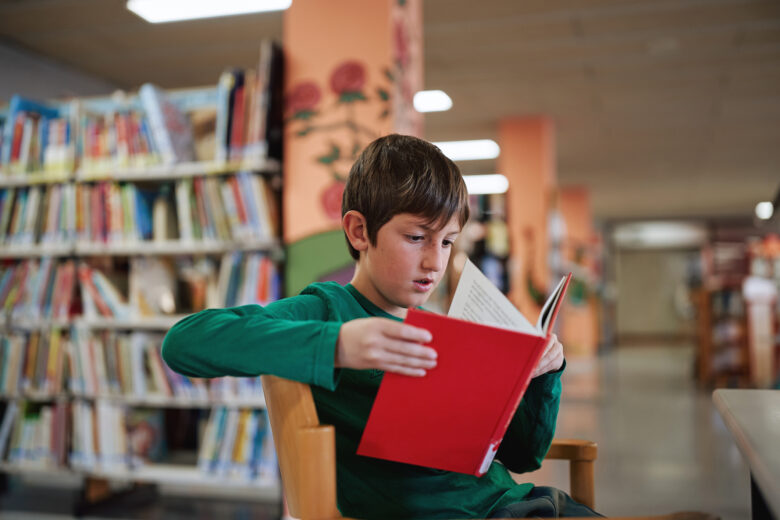
Library cards and Dewey Decimal System
Before Google, students learned to navigate card catalogs manually, fostering research skills and patience. Finding books required understanding classification systems, teaching organizational thinking, and resourcefulness that digital searches now eliminate.

Image Credit: MediaFeed / DALL·E 3.
Spelling bees and math competitions
Competitive academic contests built focus and resilience. Public spelling challenges tested vocabulary under pressure while timed math drills emphasized quick thinking, creating environments where intellectual performance became character development.

Image Credit: Rawpixel / istockphoto.
Field trips without parental chaperones
Teachers supervised large groups independently, allowing students the freedom to explore museums and historical sites. This independence taught self-regulation and group responsibility without today’s safety protocols or parent volunteers.

Image Credit: Krugloff/istockphoto.
Home economics and shop class
Boys learned woodworking while girls practiced sewing and cooking in gender-divided classes. These practical skills prepared students for traditional adult roles, though the segregation reflected dated social norms.

Image Credit: Pexels / Pixabay.
Writing with fountain pens
Mistakes required careful correction as fountain pens demanded precision. Ink-stained hands and blotting paper were classroom constants, teaching patience and attention to detail through unforgiving writing instruments.

Image Credit: shironosov/iStock
Cold, drafty classrooms
Students endured uncomfortable learning conditions without complaint. Inadequate heating and poor insulation created physical challenges that Boomers claim built toughness and the ability to focus despite discomfort.

Image Credit: Wikimedia Commons.
Recess without rules
Unstructured playtime allowed kids to organize games and resolve conflicts independently. Without adult intervention, students learned problem-solving and developed resilience through playground politics and social negotiation.

Image Credit: Depositphotos.com.
Cursive writing and penmanship drills
Daily handwriting practice emphasized elegant script and letter formation. Hours spent perfecting cursive taught discipline and motor control, skills that are often abandoned in today’s keyboard-focused classrooms.

beekeepx / iStock
Milk and lunchroom rules
Mandatory school milk, often lukewarm or frozen, had to be consumed in its entirety. Assigned seating and strict lunch protocols taught compliance and acceptance of minor discomfort as a normal part of life.

Image Credit: Depositphotos.
The bottom line
Whether these experiences built character or just built complaints remains debatable. What’s certain is that Boomer school memories reflect an era of stricter discipline, fewer safety concerns, and educational practices that modern parents would question. These stories invite intergenerational conversations about how schooling shapes us.
Related:
- Why You Don’t Need 5 AM Ice Baths to Succeed
- 5 Hidden Meditation Retreats Experts Swear Will Melt Your Stress Away
Like MediaFeed’s content? Be sure to follow us.
This article was syndicated by MediaFeed.org.
AlertMe