
12 TV characters who deserved better send-offs
There’s nothing quite like the anticipation of a beloved TV character’s final moments. We invest years of our lives watching these fictional people grow, struggle, and evolve, forming genuine emotional connections that feel as real as our relationships with actual friends and family. When done right, a character’s send-off can be a beautiful, cathartic experience that honors their journey and gives fans the closure they crave. But when it goes wrong? The disappointment can be devastating.
Television has given us some truly memorable farewells over the decades – moments that made us ugly-cry into our tissues and still give us goosebumps years later. These perfect endings respect the character’s growth, provide meaningful closure, and leave us feeling satisfied even through our tears. They complete character arcs in ways that feel both surprising and inevitable, like puzzle pieces clicking perfectly into place.
Unfortunately, not every beloved character gets the send-off they deserve. Some exits feel rushed, while others betray entirely years of character development. A few are so tone-deaf that they leave fans wondering if the writers even understood what made these characters special in the first place. Here are 12 characters whose final moments left us feeling cheated, frustrated, and wishing we could rewrite television history.

Photo credit: IMDB
Daenerys Targaryen (Game of Thrones)
For eight seasons, we watched Daenerys Targaryen evolve from a frightened, abused teenager into the Mother of Dragons – a powerful queen who freed slaves and seemed destined for greatness. Her journey from Pentos to Westeros was one of the show’s most compelling arcs, filled with triumph, loss, and the gradual accumulation of power and wisdom. She represented hope, justice, and the possibility of breaking cycles of oppression.
Her actual send-off was a shocking descent into madness, culminating in the burning of King’s Landing and her death at the hands of Jon Snow. While the show hinted at her potential for darkness, the transformation felt rushed and unearned after years of character development. A better send-off might have shown a more gradual psychological decline or given her a heroic death that honored her earlier compassionate nature while acknowledging the corrupting influence of power.

Photo credit: IMDB
Dexter Morgan (Dexter)
Dexter Morgan was television’s most fascinating anti-hero, a serial killer with a moral code who only targeted other murderers. For eight seasons, viewers grappled with the complexity of rooting for someone so fundamentally wrong yet somehow compelling. His relationships with his sister Deb, his son Harrison, and various love interests provided the emotional core of a show that could have been purely exploitative.
Instead of facing consequences for his actions or finding genuine redemption, Dexter faked his death and became a lumberjack in solitude. This ending felt like a massive cop-out that abandoned his son and avoided any meaningful resolution to his psychological journey. A better send-off would have either shown him facing justice, finding genuine redemption through sacrifice, or at least ensuring his son’s future was secure.

Photo credit: IMDB
Poussey Washington (Orange Is the New Black)
Poussey Washington was the heart and soul of Litchfield Penitentiary – intelligent, compassionate, and optimistic despite her circumstances. Her gentle romance with Brook and her dreams of a better future made her one of the most beloved characters on the show. She represented hope and humanity in a brutal system, serving as a moral center for both the inmates and the audience.
Her accidental death during a peaceful protest felt like a devastating blow that served more as a plot device to drive social commentary than a meaningful conclusion to her personal story. While her death sparked important conversations about police brutality and prison reform, it robbed fans of seeing this beautiful character achieve the happiness and freedom she deserved. A better send-off might have shown her finding love, education, or purpose that honored her intelligence and compassion.

Photo credit: IMDB
Glenn Rhee (The Walking Dead)
Glenn Rhee served as the moral compass of the survivor group for seven seasons, maintaining his humanity and optimism even in the darkest circumstances. His relationship with Maggie provided one of the show’s most genuine love stories, and his resourcefulness and loyalty made him a fan favorite. Glenn represented the possibility of maintaining goodness in an evil world.
His brutal death at the hands of Negan was graphically violent and felt gratuitously cruel, especially after the fake-out death earlier in the season. While the scene was meant to show Negan’s ruthlessness, it felt more like torture porn than meaningful storytelling. A better send-off might have given Glenn a heroic sacrifice that saved others or at least a death that wasn’t so graphically exploitative.

Photo credit: IMDB
Kate Austen (Lost)
Kate Austen was one of Lost’s core survivors, a complex fugitive whose troubled past slowly revealed a woman struggling with abandonment and trust issues. Her survival skills and fierce loyalty made her invaluable to the group, yet her character often became overshadowed by the Jack-Sawyer love triangle rather than her individual growth and redemption.
Her finale felt somewhat diminished, with her personal arc taking a backseat to Jack’s sacrifice and the show’s mythology. After six seasons of character development, Kate deserved a conclusion that honored her journey from fugitive to hero, perhaps showing her finding peace with her past or taking on a leadership role that utilized her unique skills and hard-won wisdom.

Photo credit: IMDB
Barney Stinson (How I Met Your Mother)
Barney Stinson evolved from a one-dimensional womanizer into a complex character capable of genuine love and growth. His nine-season journey toward emotional maturity culminated in his marriage to Robin, showing that even the most commitment-phobic person could change. His relationship with his friends, particularly his father-son dynamic with Ted, provided some of the show’s most touching moments.
The finale undid years of character development by quickly divorcing him from Robin and reverting him to many of his old patterns, only to have him find meaning through becoming a father. While his love for his daughter was touching, it felt like his growth with Robin was discarded too easily. A better send-off would have honored his evolution while still allowing for the surprise of parenthood, perhaps showing how his marriage made him an even better person.

Photo credit: IMDB
Lexa (The 100)
Lexa was a powerful commander who became a symbol of LGBTQ+ representation on television. Her relationship with Clarke provided emotional depth to a often brutal show, and her leadership during coalition-building showed political savvy and wisdom beyond her years. She represented strength, intelligence, and the possibility of love flourishing even in harsh circumstances.
Her death by stray bullet shortly after consummating her relationship with Clarke fell into the harmful “Bury Your Gays” trope, feeling cheap and exploitative after significant emotional build-up. The timing felt particularly cruel, robbing fans of seeing a rare lesbian relationship develop. A better send-off might have given her a warrior’s death in battle or shown her successfully building the coalition she worked so hard to create.

Photo credit: IMDB
Charlie Pace (Lost)
Charlie Pace struggled with addiction and feelings of worthlessness, finding redemption and purpose on the island through his relationships with Claire and Aaron. His journey from drug-addicted rock star to responsible protector provided one of the show’s most compelling character arcs. His musical talents and dry humor made him a fan favorite despite his flaws.
While his sacrifice to save his friends was heroic and beautifully executed, it felt heartbreakingly premature for a character who had finally found peace and purpose. His death came just as he was overcoming his demons and building a family with Claire. A better send-off might have allowed him to enjoy some happiness after his struggles or found another way for him to be heroic without dying just as his life was improving.

Photo credit: IMDB
Sarah Lynn (BoJack Horseman)
Sarah Lynn was a tragic figure whose story of child star exploitation and addiction resonated deeply with viewers. Her relationship with BoJack was complex and troubling, representing both their shared trauma and the ways damaged people can enable each other’s destruction. She was funny, talented, and deeply broken – a character who deserved help and healing.
Her overdose at the planetarium was realistic and impactful, serving the show’s themes about consequences and tragedy. However, it was also heartbreaking to see such a vibrant character receive such a dark ending without any chance for recovery or redemption. While the show’s commitment to realism was admirable, Sarah Lynn deserved at least a glimmer of hope or the possibility of getting the help she desperately needed.

Photo credit: IMDB
Laurel Lance / Black Canary (Arrow)
Laurel Lance was a key character from the comics who underwent a long journey from civilian lawyer to costumed vigilante. Her transformation into Black Canary represented years of training, loss, and determination to honor her sister’s memory. She brought legal expertise and moral clarity to Team Arrow, serving as both conscience and warrior.
Her sudden death at the hands of Damien Darhk felt unnecessary and poorly timed, especially after her lengthy journey to become Black Canary. It seemed to serve more as motivation for other characters than as a meaningful conclusion to her own story. A better send-off might have shown her achieving her full potential as Black Canary or finding a way to honor both her legal and vigilante careers.

Photo credit: IMDB
The Entire Cast (Seinfeld)
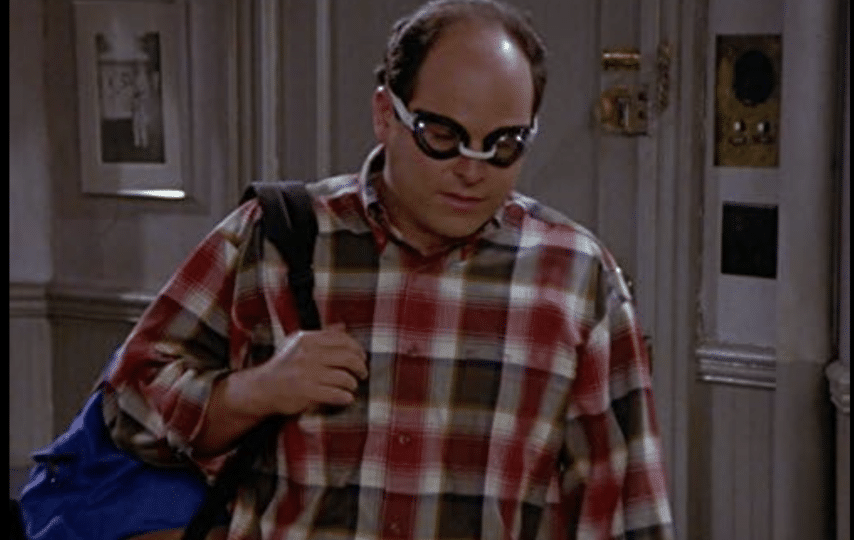
The Seinfeld finale put all four main characters on trial for violating a Good Samaritan law, ultimately sending them to jail for their selfishness and lack of empathy. After nine seasons of following these characters’ neurotic adventures, the finale felt more like punishment than conclusion. The show that was famously “about nothing” ended by judging its characters harshly for being exactly who they always were.
While the finale was meant to be a commentary on the characters’ moral failings, it felt mean-spirited rather than clever. A better send-off might have embraced the show’s absurdist nature while still providing some form of closure, perhaps showing how these flawed but entertaining people continued their self-absorbed lives in New York.

Photo credit: IMDB
Jaime Lannister (Game of Thrones)
Jaime Lannister had one of the most compelling redemption arcs in television, evolving from apparent villain to complex anti-hero. His relationship with Brienne showed his capacity for honor and genuine love, while his break from Cersei represented growth beyond his toxic family dynamics. His journey toward becoming a better person was one of the show’s most satisfying character developments.
His decision to return to Cersei and die with her in the collapsing Red Keep felt like a betrayal of seasons of character growth. After watching him struggle to become honorable and find healthy love, seeing him revert to his obsession with his sister felt like character assassination. A better send-off would have honored his growth by showing him choosing honor over toxic love, perhaps dying heroically to protect innocent people rather than clinging to a destructive relationship.

Dejan_Dundjerski / iStock
Conclusion
These characters remind us how crucial a satisfying conclusion can be to a character’s legacy and our overall perception of a show. When writers nail a character’s send-off, it can elevate the entire series and provide lasting emotional satisfaction. But when they get it wrong, it can taint years of storytelling and leave fans feeling betrayed by creators they trusted with their emotional investment.
Television characters become part of our lives in ways that movies rarely achieve. We spend years with them, watching them grow and change, celebrating their victories and mourning their losses. We invest emotionally in their journeys because we see ourselves reflected in their struggles, relationships, and growth. When their stories end poorly, it feels personal because, in many ways, it is.
The best character send-offs honor both the journey and the destination, providing closure while respecting everything that came before. They remind us why we fell in love with these characters in the first place while giving us peace about saying goodbye. Ready to revisit more of your favorite TV moments? Check out our other television retrospectives and character analyses here at MediaFeed for more trips down memory lane with the shows that shaped our lives!
Related:
- 9 iconic fictional characters you didn’t know were based on real people
- 10 movie & TV villains we actually kinda love
Like MediaFeed’s content? Be sure to follow us.
This article was syndicated by MediaFeed.org.
AlertMe