21 things that almost feel illegal to buy in bulk (but aren’t)
There’s a strange, guilty pleasure that comes with finding a great deal, especially on something you’d typically buy one at a time, a sensation that intensifies when you realize you can purchase an entire year’s supply of batteries, or enough Chapstick to moisturize a small army, or a wheel of cheese so large it requires its own furniture. The transaction itself feels transgressive, as if you’ve discovered a loophole in the retail system that wasn’t meant for ordinary consumers, a secret way to stockpile resources that makes you feel simultaneously clever and slightly criminal. Walking out of a warehouse store with a shopping cart loaded with 50 identical items that most people buy individually creates a peculiar mix of pride in your bargain-hunting prowess and anxiety that someone will question why you need quite so many googly eyes or condiment packets.
Why do certain items, due to their small size, modest price point, or cultural associations, create this peculiar feeling of forbidden indulgence when purchased in massive quantities? The sensation stems from multiple sources: the violation of social norms about appropriate purchasing behavior, the sense that you’re preparing for a disaster that you know about but others don’t, the guilt of indulgence when buying luxury items in quantities that suggest gluttony rather than occasional treat, and the sheer absurdity of owning more of something than any reasonable person could use in a lifetime. These feelings are common and often hilarious when examined closely, revealing how much of our consumer behavior is governed by unwritten rules about what constitutes “normal” shopping and how much we’ve internalized messages about moderation, scarcity, and appropriate levels of preparedness.
This article examines 21 items that evoke a peculiar psychological response, products that are perfectly legal to purchase in any quantity but somehow feel like they shouldn’t be, as if there’s a hidden social law against accumulating too much of any one thing. From practical household items to absurd novelties, and from food products with expiration date challenges to specialized supplies that make you look like you’re preparing for particular scenarios, these bulk purchases share the common thread of making otherwise ordinary shopping feel like an act of minor rebellion.

Image Credit: CentralITAlliance / iStock.
Batteries
Walking up to a checkout counter with a case containing 144 AA batteries creates an immediate sense that you’ve crossed some invisible line of reasonable consumer behavior, as if there’s a socially acceptable maximum number of batteries that normal people are supposed to own. The sheer quantity, combined with their decade-long shelf life, makes it feel like you’re preparing for a post-apocalyptic power grid collapse rather than simply ensuring you have batteries when remote controls die or flashlights need powering. There’s something almost unnerving about this level of preparedness, as if you’ve admitted to yourself that civilization might not always provide convenient access to basic electrical supplies and you’re taking steps that suggest you know something ominous about the future.

Image Credit: Olga Chetvergova /istockphoto.
Chapstick / lip balm
A single tube of Chapstick lasts for months, sometimes seeming eternal as it survives seasons, moves between coat pockets, and outlasts romantic relationships and job changes. Buying a multi-pack of 24 tubes feels like you’re cornering the market on lip moisturization for a small town, creating a strategic reserve of lip balm that could last a decade or survive the heat death of the universe. The purchase triggers questions: Why do you need this many? Are you reselling them? Do you have a Chapstick addiction that requires intervention?

Costco
Premium chocolate bars
Each premium chocolate bar (the good imported stuff with high cocoa percentages and fancy packaging) is supposed to be a special treat, a small indulgence that you savor slowly while feeling sophisticated. Buying a box of 30 identical bars feels less like a snack run and more like establishing a decadent, secret stash of pure indulgence that contradicts everything we’re taught about moderation and delayed gratification. The bulk purchase transforms chocolate from an occasional treat to hoarded luxury, creating a personal stockpile that feels almost shamefully opulent.

Image Credit: Cathy Britcliffe/istockphoto.
Small snack bags (e.g., chips, cookies)
The entire point of snack-size portions is portion control. They allow you to enjoy treats while limiting caloric intake through pre-measured servings that prevent you from eating an entire family-size bag in one sitting. Buying a box the size of a microwave, which contains 50 individual snack bags, completely defeats this purpose, revealing the philosophical contradiction at the heart of portion-controlled snacking. The bulk purchase announces to the world that you understand you lack self-control, so you’re creating an environment where you have 50 opportunities to fail at moderation rather than one ample opportunity.

Image Credit: Tzido / iStock.
Hand sanitizer
Hand sanitizer became a symbol of a particular, panicked time in recent history when it was both precious and scarce, when people hoarded it like liquid gold and stores limited purchases to prevent stockpiling. Buying a huge container now, or multiple large bottles, feels like a leftover habit from a moment of extreme social anxiety, a psychological artifact from when touching surfaces felt dangerous and sanitizing was a constant ritual. The bulk purchase triggers memories of pandemic panic buying. It makes you wonder if you’re preparing for another crisis or if you’ve internalized anxieties about germs that will never fully dissipate.

Image Credit: triocean/Istockphoto.
Socks
Everyone has a drawer of mismatched singles, lonely socks whose partners vanished in the mysterious Bermuda Triangle of laundry machines, creating frustrating mornings of searching for pairs that no longer exist. Buying 50 pairs of the same sock feels like an act of

Image Credit: ddukang/iStock
rebellion against the laundry gods, a declaration that you refuse to play their matching game anymore and have instead chosen uniformity as your weapon against sock chaos. The bulk purchase represents giving up on variety and embracing the efficiency of interchangeable parts, turning your sock drawer into an inventory of identical units where any two socks automatically match.
Gourmet jarred sauces (e.g., pesto, tapenade)
Gourmet jarred sauces like artisan pesto, tapenade, or specialty pasta sauces are usually expensive “splurge” items that you buy occasionally to elevate a meal beyond your everyday cooking, small luxuries that make dinner feel special. Purchasing a case of 12 identical jars feels like moving into a luxury villa in Tuscany and deciding you will never cook from scratch again. Every meal will now include a $9 jar of imported sauce, as if cost is no longer a consideration in your life. The bulk purchase transforms a special occasion ingredient into an everyday staple, which feels simultaneously aspirational and wasteful.

Image Credit: locknloadlabrador / iStock.
Avocados
Avocados have a notoriously short ripeness window, lasting about 47 seconds from “hard as a rock” to “brown mush,” making their shelf life one of nature’s cruelest jokes on people who like fresh produce. Buying avocados in bulk, whether a case from a warehouse store or a box from an online supplier, feels like a chaotic race against time, a bold and dangerous gamble where you’re betting you can consume or preserve 20 avocados before they all become simultaneously overripe. The purchase requires immediate strategic planning: Which ones will you eat tonight? What goes in the refrigerator? Do you need to make guacamole for an imaginary party?

Image Credit: Bohdan Bevz/iStock
Scented candles
Scented candles are often given as gifts, appearing in your home through the generosity of others rather than through deliberate personal acquisition. Buying a dozen identical candles (or worse, a dozen different scents) feels like you’re either preparing to open a boutique spa, an arsonist with excellent taste in ambient fragrance, or someone with a very intense desire for a perpetually fresh-smelling home that borders on obsessive. The bulk purchase raises questions about your lifestyle: Are you burning through candles so fast that you need this many? Are you creating a romantic atmosphere every single night?

showcake / iStock
Googly eyes
Googly eyes are designed for small-scale craft projects and mischief, the kind of thing you buy in packs of 50 to decorate a few school projects or to stick on objects around your office as pranks. Purchasing a huge tub containing thousands of googly eyes feels like you’re preparing to googly-eye the entire world, to transform every inanimate object in your path into something with a goofy face, to wage a campaign of whimsy so extensive that historians will speak of “The Great Googly Eye Incident” in hushed, reverent tones. The sheer scale of bulk googly eyes suggests premeditation and planning that elevate simple pranking into something approaching performance art or possibly vandalism.

Jenniveve84 / iStock
8-pound bags of Lucky Charms marshmallows
Lucky Charms marshmallows are supposed to be special treats found sparingly distributed throughout a box of cereal. They are little rewards that you hunt for among the boring oat pieces, maintaining the illusion that breakfast includes both nutrition and fun. Buying them in an 8-pound dedicated bag of just marshmallows feels like you’ve hacked the cereal industrial complex, exploiting a loophole that lets you purchase pure sugar-coated joy without the cereal filler that was supposed to provide nutritional justification. The transaction represents the complete abandonment of any pretense about a balanced breakfast, a declaration that you’re an adult who can eat dessert for breakfast, and nobody can stop you.

Image Credit: Depositphotos.com.
72-pound wheels of cheese
Buying a 72-pound wheel of cheese isn’t a purchase; it’s a lifestyle change that commits you to a cheese-centric existence for the foreseeable future. The sheer size and weight of a cheese wheel this large mean it requires its own dedicated space in your refrigerator, possibly its own furniture, and definitely a plan for consumption that spans months or years, depending on your household’s cheese enthusiasm. It feels like you’ve either been hired to run a professional cheese-tasting guild, you’re preparing for a very long siege where cheese will be the primary protein source, or you’ve decided that every meal from now until next year will include substantial cheese as a core ingredient.

doble-d / iStock
Emergency food supplies
Walking into a store and purchasing a year’s worth of freeze-dried food in a single transaction (or having it delivered to your home in large, ominous boxes) feels like a silent, public admission that you know something others don’t about the fragility of supply chains and the inevitability of disaster. The emergency food bulk purchase lives in an uncomfortable space between practical preparedness and paranoid prepping, where reasonable people disagree about whether you’re being prudent or building a bunker mentality. The cashier’s expression as they ring up your 50-pound bucket of freeze-dried meals suggests they’re wondering if you have inside information about an impending apocalypse.

Image Credit: Depositphotos.com.
Live ladybugs
Purchasing living creatures by the thousands (typically 1,500 to 4,500 ladybugs in a single container) represents a fundamentally different transaction than buying a product, crossing from commerce into something that feels vaguely like human trafficking but for insects. The bulk purchase of live ladybugs makes you feel like you’re either running a very large organic garden that requires serious aphid control, or you’re assembling a tiny, insect-based army for purposes you haven’t fully articulated even to yourself. The responsibility of suddenly owning thousands of living beings creates guilt about their welfare and questions about your authority to purchase life in bulk.

Image Credit: Nodar Chernishev / iStock.
Sugar-free gummy bears
The infamous “side effects” associated with sugar-free gummy bears (specifically the digestive distress caused by sugar alcohols when consumed in quantity) have become internet legend, with countless reviews and stories documenting the catastrophic results of eating too many. Buying sugar-free gummy bears in bulk feels less like a sensible diet choice and more like stockpiling weapons-grade prank supplies, ammunition for mischief that could be deployed at parties, given as gag gifts to unsuspecting friends, or left in break rooms as chaos agents. The purchase announces to anyone familiar with the legend that you’re aware of the consequences and are buying them anyway.

Alvaro Victor / iStock
Suture pads
Suture pads are highly specialized medical training tools, consisting of rubber or synthetic pads that mimic human skin for practicing surgical stitching techniques. These are the types of equipment that medical students use in controlled educational environments. Ordering these in bulk makes you feel like an undercover medical student practicing at home, a person with a very unusual hobby that requires explanation, or possibly someone preparing for an off-grid future where you’ll need to provide medical care without formal facilities. The specialized nature of the product, combined with the quantity, makes this bulk purchase one of the most likely to generate concerned questions from anyone who discovers your order.

Arnonlee / iStock
Salmon-shaped pillows
Salmon-shaped pillows are novelty items with a particular, questionable design aesthetic, usually featuring a realistic-looking salmon printed on a body pillow, creating what can only be described as fish-based home décor. Buying these pillows in bulk feels like you’re furnishing a cabin for a group of very specific friends who all share a love of fish-shaped sleeping surfaces, or you’re preparing for a performance art installation about Pacific Northwest culture, or you’ve simply given up on conventional interior design and decided to commit fully to an aquatic theme that will confuse every visitor.

AlxeyPnferov / iStock
A lifetime supply of shoelaces
Shoelaces are something you only buy when you need them, typically purchasing one or two pairs to replace broken laces or to refresh old shoes, making them the definition of a need-based rather than want-based purchase. Buying a box of 100 shoelaces feels like you’re prepared for every shoe emergency for the next century. It’s as if you’ve analyzed your shoelace failure rate and determined that you need a strategic reserve sufficient for your entire adult life and possibly to bequeath to your children. The bulk purchase is technically practical but feels absurd due to the item’s specificity and mundanity.

showcake / iStock
Individual condiment packets
Condiments are free. This is a foundational truth of fast-food culture: you accumulate ketchup, mustard, hot sauce, and soy sauce packets by visiting restaurants, grabbing handfuls at the condiment station, and gradually filling a drawer with more packets than you’ll use in a year. Actually paying money for a box of 500 individual ketchup or mayo packets feels like you’ve moved from scavenger to provider, from someone who opportunistically collects free things to someone who has made the deliberate choice to purchase what everyone else gets free. The bulk purchase represents a philosophical shift that violates an unspoken rule about the condiment economy.
Amazon
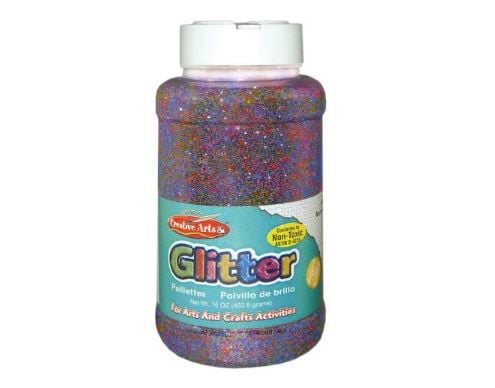
Bulk glitter
Glitter is already known to be the herpes of the craft supply world, a substance that gets everywhere, never entirely disappears, and spreads to surfaces and people who never consented to its presence. Buying glitter in bulk quantities (pounds of the stuff, not the little shaker bottles) feels like a declaration of war against cleanliness, an announcement that you’ve given up on ever having a glitter-free home again. The purchase suggests either a major craft project of concerning scale, a business venture in sparkly items, or a personality type that finds joy in chaos and doesn’t mind finding glitter in unexpected places for the rest of their natural life.

Bilal photos/ iStock
Tiny plastic toy soldiers
Tiny plastic toy soldiers are traditionally sold in small bags containing maybe 50 to 100 pieces, a reasonable quantity for playing war games or setting up miniature battle scenes. Buying them by the thousands in a huge bag feels like you’re either preparing for a large-scale theatrical reenactment of D-Day, you’re creating an immersive miniature museum diorama, or you’re just a few steps away from a particular hoarding problem that will one day be featured in a documentary about unusual collections. The sheer number of tiny soldiers raises questions about storage, organization, and purpose that you may not be ready to answer.

hapabapa / iStock
Conclusion
These items that feel “illegal” to buy in bulk share the common thread of violating our internalized rules about normal consumer behavior, whether by suggesting excessive preparedness, ridiculous indulgence, or engagement with products in quantities that their designers never intended. The guilt and unease we feel when purchasing 100 pairs of identical socks or a year’s supply of batteries reflects how much of our shopping behavior is governed by social norms about moderation, appropriateness, and reasonable expectations for what individuals should own. We’re simultaneously amused and concerned by our own bulk purchases because they reveal something about our personality: the desire for security through stockpiling, the pursuit of deals even when they require buying more than we need, or the willingness to commit to a single product with a dedication that borders on obsessive.
The items on this list are reflections of our buying habits and the way we perceive convenience, indulgence, and preparedness in modern consumer culture. Bulk buying represents the tension between our practical sides (which love good deals and being prepared) and our social conditioning (which says that hoarding is weird and moderation is virtuous).
Related:
- 13 things you’ll only understand if you lived through the ’90s
- Forgotten masterpieces: High-value treasures that were hidden away in everyday folks’ homes
Like MediaFeed’s content? Be sure to follow us.
This article was syndicated by MediaFeed.org.
AlertMe