

5 blood tests every senior should get
Your doctor can tell a remarkable amount from a single vial of blood. For adults over 60, routine testing catches serious conditions long before symptoms appear. High cholesterol has no warning signs. Neither does prediabetes. An underactive thyroid can masquerade as ordinary fatigue for months. Here are five tests worth asking your doctor about at your next visit.

Image Credit: Md Zakir Mahmud/iStock
Complete blood count
The complete blood count, or CBC, measures red blood cells, white blood cells, and platelets. According to the National Heart, Lung, and Blood Institute, abnormal red cell levels can signal anemia or bleeding, while unusual white cell counts may indicate infection, immune disorders, or leukemia. For seniors, anemia is a particular concern: roughly 10 percent of adults over 65 are affected, a figure that climbs to 20 percent after age 80. The test is quick and typically included in a standard annual physical.
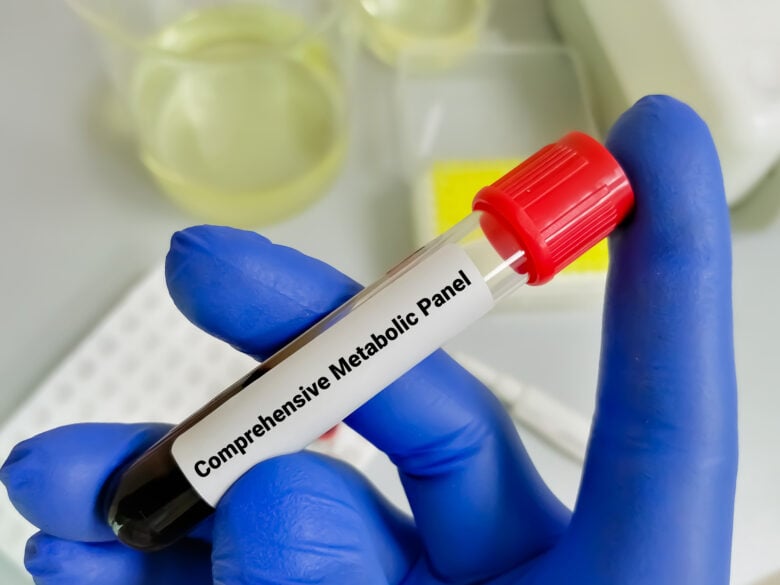
Image Credit: Md Saiful Islam Khan/iStock
Comprehensive metabolic panel
The comprehensive metabolic panel, or CMP, checks kidney and liver function, blood glucose, electrolytes, and calcium in a single draw. Fluctuating sodium and potassium levels are common in older adults due to hormonal changes, reduced kidney efficiency, and diuretic use. Elevated creatinine and blood urea nitrogen can point to declining kidney function in people who feel perfectly fine. Many doctors order the CMP alongside a CBC as part of a routine annual panel.

dimid_86 / iStock
Lipid panel
The lipid panel measures total cholesterol, LDL, HDL, and triglycerides. Cardiovascular disease remains the leading cause of death in the United States, and an unfavorable lipid profile is one of its most modifiable risk factors. Because no warning signs, many people carry elevated levels for years without knowing it. Medicare covers cardiovascular screenings every five years, though your doctor may recommend more frequent testing based on your history.
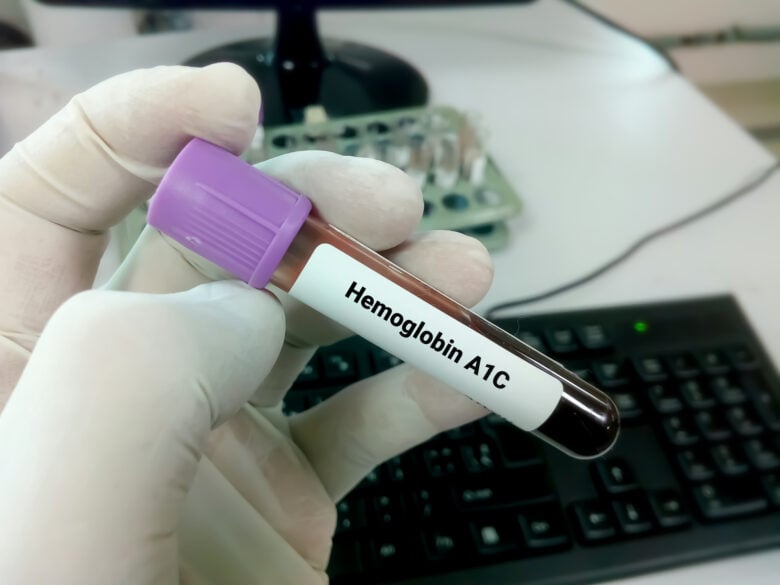
Image Credit: Md Saiful Islam Khan/iStock
Hemoglobin A1c
The hemoglobin A1c test reflects average blood sugar over the previous three months, making it far more informative than a fasting glucose snapshot. The CDC reports that 1 in 3 adults, and 84 percent of them are unaware of it. Left unmanaged, prediabetes can progress to Type 2 diabetes, with serious consequences for the heart, kidneys, and nervous system. The American Diabetes Association recommends testing at least once every three years for adults at average risk.

Thyroid-stimulating hormone
The TSH test checks whether your thyroid gland is functioning properly. According to the American Thyroid Association, very common after 60 and steadily increases with age, particularly in women. Its symptoms, including fatigue, weight gain, and memory difficulties, are easy to mistake for normal aging. A simple blood draw can confirm whether those symptoms reflect a treatable condition rather than an inevitable decline. When caught early, hypothyroidism is typically very manageable with medication.
Image Credit: solarseven / iStock
Wrap up
None of these tests requires more than a routine visit and a blood draw, and most are covered at least in part by Medicare. The real value lies in building a consistent baseline over time, one that lets your doctor spot subtle shifts before they become serious problems.
Ask us! What questions do you have about content, strategy, pop culture, lifestyle, wellness, history or more? We may use your question in an upcoming article!
Related:
Like MediaFeed’s content? Be sure to follow us.
This article was syndicated by MediaFeed.org.
AlertMe