9 trends from the ’60s that are creeping back today
The 1960s did nothing quietly. They gave the world the miniskirt, psychedelic colors, communal living, and a deep suspicion of authority. Sixty years later, much of it is back, stripped of its original politics but carrying the same energy. Some of it showed up on the runway. Some of it never left.
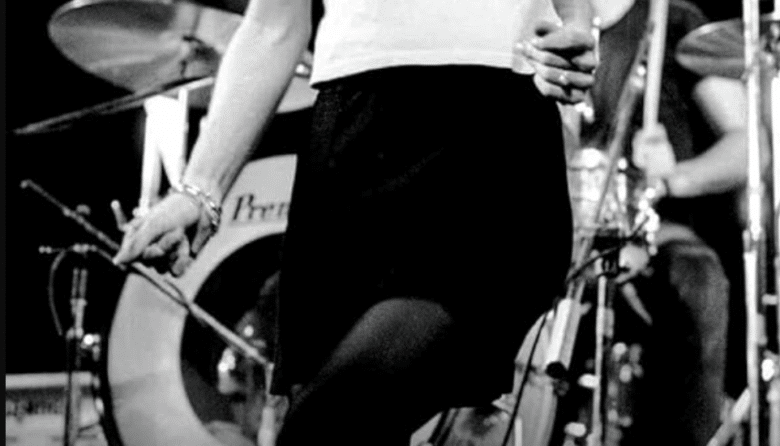
The mini skirt
Mary Quant designed it as a pure act of rebellion in mid-decade London. Today it is back on every major runway, reimagined in leather, plaid, and metallic finishes by Prada, Versace, and others. The silhouette endures because it always worked.
Ask us! What questions do you have about content, strategy, pop culture, lifestyle, wellness, history or more? We may use your question in an upcoming article!
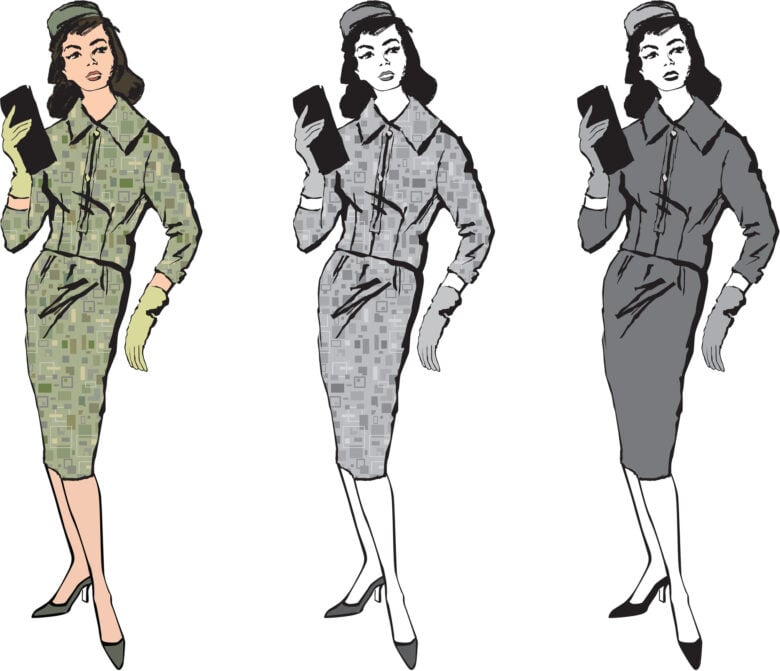
Image credit: Terriana / iStock
Mod fashion
The sharp A-line shift dress, the geometric print, the bold block color, with nowhere to hide. Mod style defined the middle of the decade and is having a full revival in 2025, with major labels like Gucci and Coperni reworking its clean, confident lines for contemporary wardrobes.

Image Credit: jacoblund/iStock.
Oversized sunglasses
Jackie Kennedy wore them partly to avoid the world. Today’s version, wider-lensed and dramatically tinted, has become one of 2025’s defining accessories, part of the broader maximalism movement pushing street style toward louder and more theatrical territory. The bigger the frame, the stronger the statement.
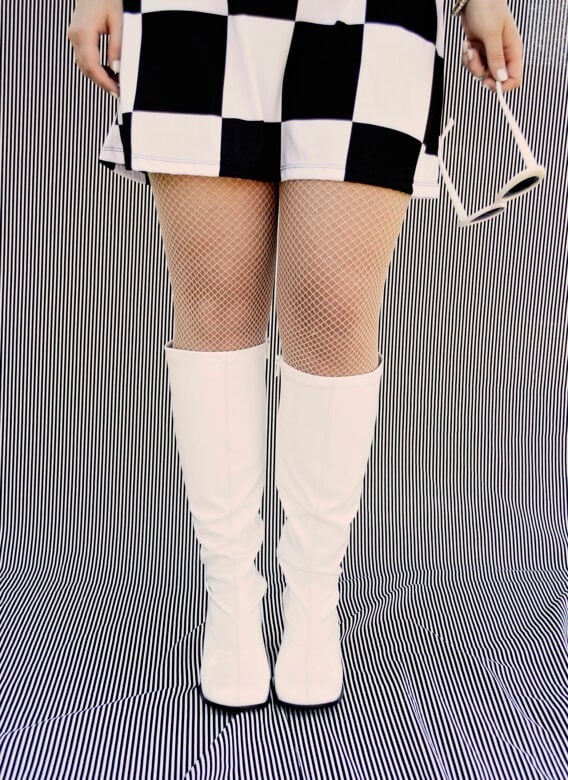
Image credit: Nicole_Leckenby / iStock
Go-go boots
Knee-high, flat-heeled, and immediately recognizable, the boot that defined Swinging London was first introduced by André Courrèges in 1964 and has been reissued in updated colorways and materials ever since. It appears editorially alongside the mod, it was born to accompany. The silhouette never needed updating.
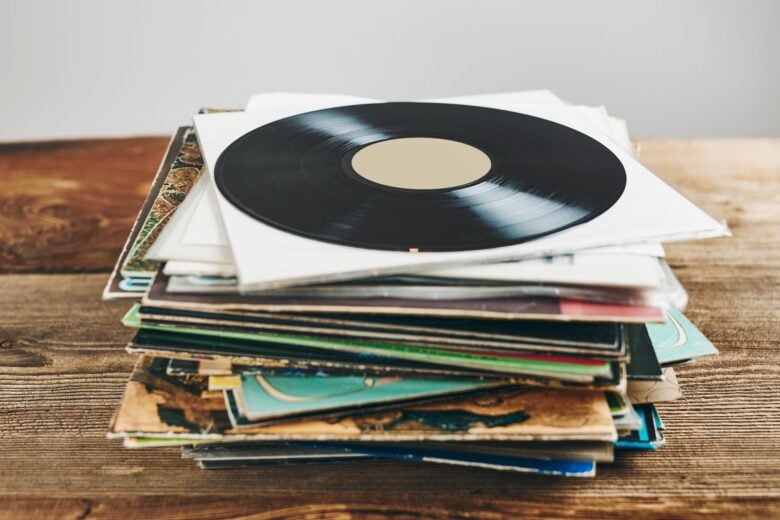
Image Credit: EyeEm Mobile GmbH/Istockphoto.
Vinyl records
Sales peaked in the 1960s, cratered through the CD and digital eras, and then staged a comeback nobody predicted. Vinyl now outsells CDs and keeps growing, driven partly by older listeners reclaiming a familiar format and partly by younger ones who find streaming too frictionless to feel meaningful.

Image credit: DisobeyArt / iStock
Communal living
Co-living spaces are being marketed as a smart response to housing costs, remote work, and urban loneliness. According to Fortune, nearly one-third of Gen Zers are open to pooling resources and buying homes with friends or family. The pitch is different from 1967. The idea is not.
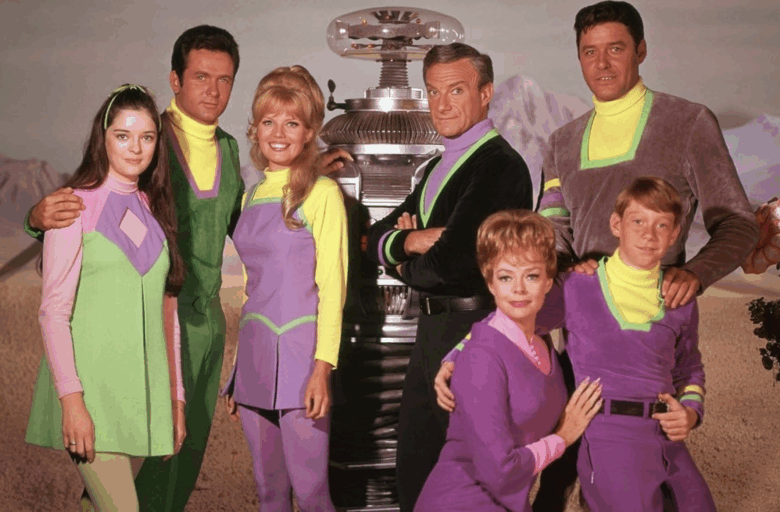
Image Credit: CBS Television and 20th Century Fox Television/ IMDb
Space-age aesthetics
André Courrèges and Paco Rabanne built fashion around the moon landing before it happened. Their metallics, sculptural cuts, and futuristic materials are back in contemporary design, from holographic accessories to reflective outerwear that reads as nostalgic and sharply forward-looking.

Image Credit: DJMcCoy / iStock.
Protest culture
The decade that invented the sit-in and the teach-in left a template that keeps getting reused. As historian Kevin Gaines has noted, today’s activists draw directly on the visual language and tactical playbook the civil rights movement established in the 1960s. Nobody has invented a more effective substitute.

Image Credit: William_Potter/istockphoto.
Skepticism of institutions
It did not start in the ’60s, but the decade crystallized it into something transmissible across generations. Distrust of government, media, and expertise has moved from the counterculture margins into the mainstream, and the decade provided the original rhetorical vocabulary for all of it.

Image Credit: DisobeyArt/ iStock.
Takeaway
The ’60s keep coming back because they were never fully resolved. The decade cracked open questions about power, identity, and how people want to live that no subsequent era has closed. Fashion borrows the surface. Everything else borrows the argument.
Related:
- Cringy ’90s trends we thought were cool (but were totally not)
- Why vintage design feels more grounding than modern minimalism
Like MediaFeed’s content? Be sure to follow us.
This article was syndicated by MediaFeed.org.
AlertMe