Cringy ’90s trends we thought were cool
The 1990s delivered an incredible cultural renaissance that continues to influence us today. From grunge music that defined a generation to television shows that changed entertainment forever, the decade created lasting memories and genuine cultural touchstones.
However, nostalgia has a way of softening the edges of memory, making us forget some of the more questionable choices we made along the way. Not everything from that beloved decade aged gracefully, and some trends we once embraced with complete confidence now make us cringe with recognition. We genuinely believed we had reached the absolute peak of cool, strutting through malls and school hallways, convinced that our style choices were revolutionary.
Reflecting on fashion history can bring back some awkward memories about our past wardrobe choices, but it’s essential to take a look back. These ten trends highlight just how personal and fleeting the concept of ‘cool’ can be. What seems stylish today could easily become a joke tomorrow.

Image credit: Toglenn / Wikimedia Commons
Frosted tips transformed hair into edible metaphors
The late ’90s introduced us to a hairstyle that turned heads everywhere, though perhaps not always for intended reasons. Frosted tips involved bleaching only the very ends of hair, creating a stark contrast that supposedly conveyed effortless rebellion. Boy bands, teen actors, and everyday guys embraced this look with enthusiasm, spiking their newly blonde tips with copious amounts of gel.
At the time, frosted tips felt revolutionary because they offered the perfect balance between edgy and mainstream. You could maintain your natural hair color while adding just enough bleach to signal your non-conformist attitude. The style seemed to whisper, “I’m too cool to care about conventional grooming standards” while remaining acceptable for family dinners and job interviews.
Looking back, however, the aesthetic bore a striking resemblance to uncooked ramen noodles sprouting from scalps across America. The harsh contrast between dark roots and aggressively blonde tips created an unnatural effect that screamed “salon accident” more than “fashion forward.” The heavy gel required to maintain the spiky texture left hair looking crunchy and artificial, transforming what was meant to be a rebellious statement into an unfortunate reminder of misguided youth.

Image credit: zamrznutitonovi / iStock
JNCO jeans swallowed entire lower bodies
The baggy jean phenomenon reached its absolute peak with JNCO brand jeans, whose leg openings expanded to truly ridiculous proportions. These weren’t just loose-fitting pants; they were denim tents that could accommodate entire pizza boxes in their pockets. Some styles featured leg openings exceeding 20 inches, completely obscuring shoes and creating a walking hazard wherever teenagers gathered.
We convinced ourselves these oversized garments represented ultimate freedom and comfort. Influenced by skate culture and hip-hop fashion, baggy jeans felt like a rejection of restrictive clothing and stuffy fashion rules. The bigger your jeans, the more authentic your rebellion seemed, and wearing anything fitted marked you as hopelessly mainstream.
Reality painted a different picture entirely. These enormous jeans eliminated any trace of human silhouette, making everyone look like they were wearing their older brother’s hand-me-downs. The excessive fabric created tripping hazards, caught in doors, and made simple activities like climbing stairs treacherous. The sheer volume of denim was overwhelming, turning fashion into a practical nightmare that prioritized shock value over actual style or function.

Image credit: Tatiana Terekhina / iStock
Tattoo chokers promised rebellion on a budget
Plastic tattoo chokers emerged as the perfect accessory for teenagers seeking edginess without commitment. These stretchy, elastic necklaces feature intricate black patterns designed to mimic real tattoo work, offering instant punk credibility for under $5. They came in matching sets with bracelets and sometimes even anklets, allowing for full-body fake ink coordination.
The appeal was undeniable for young people exploring alternative aesthetics. Tattoo chokers offered a discreet way to experiment with rebellious imagery without permanent consequences or parental confrontation. They suggested mysterious backgrounds and dangerous liaisons while remaining completely removable for school photos and family gatherings.
Unfortunately, these mass-produced accessories fooled absolutely nobody. The plastic construction felt cheap against skin, and the printed “tattoo” designs lacked any convincing detail or artistic merit. Rather than conveying genuine alternative culture, they became associated with mall goths and temporary teenage rebellion phases. The chokers stretched out quickly, losing their shape and becoming even more obviously artificial, marking their wearers as fashion posers rather than authentic non-conformists.

Image credit: Anastasia Efimova / iStock
Velour tracksuits confused loungewear with luxury
The matching velour tracksuit represented the ultimate fusion of comfort and perceived sophistication. Brands like Juicy Couture convinced us that soft, often shimmery fabric could seamlessly transition from gym to glamorous social settings. Celebrity endorsements made these coordinated sets seem like the height of casual chic, promising comfort without sacrificing style points.
We embraced velour tracksuits because they offered guilt-free comfort that still felt intentional and fashionable. The matching top and bottom eliminated decision-making stress while the soft fabric felt luxurious against the skin. Celebrity sightings in airports and coffee shops reinforced the idea that these were sophisticated leisure wear suitable for public appearances.
The reality proved far less glamorous than marketing promised. Velour’s tendency to cling revealed unflattering details, while its shiny surface often looked cheap and artificial under different lighting conditions. The matching sets felt overly coordinated, like adult pajamas masquerading as authentic clothing. Most devastating of all, the fabric attracted lint, pet hair, and static electricity, making wearers look disheveled rather than effortlessly elegant.

Image credit: SerhiiBobyk / iStock
Hair crimping created uniform waves of regret
The crimping iron promised to revolutionize hair styling by adding dramatic zig-zag texture throughout entire heads of hair. This ’90s hair trend created volume and movement that differed dramatically from traditional curling or straightening methods. Music videos and teen magazines showcased crimped styles as the ultimate expression of playful, carefree glamour.
Crimped hair felt magical because it transformed ordinary locks into something distinctly different and eye-catching. The uniform waves created impressive volume and suggested hours of professional styling effort. The technique offered the perfect compromise between structured and wild, giving hair personality without appearing completely untamed.
Unfortunately, crimping often produced results that resembled bad perms more than intentional styling choices. The uniform zig-zag pattern lacked natural movement and flow, creating rigid, helmet-like shapes that defied gravity in unsettling ways. The process was time-consuming and often left the hair feeling dry and damaged, while the final result frequently appeared frizzy and artificial, rather than glamorous and textured.

Image credit: CentralITAlliance / iStock
Backwards visors defeated their primary purpose
The visor, a practical piece of athletic headwear explicitly designed for facial sun protection, became a fashion statement when worn backwards or sideways. This trend appeared frequently in music videos and teen movies, suggesting casual athleticism and effortless cool. The backwards visor became shorthand for laid-back confidence and sporty appeal.
We adopted backwards visors because they captured the perfect balance of athletic functionality and rebellious attitude. Unlike baseball caps, visors felt more unique and attention-grabbing while still maintaining sports-inspired credibility. The style suggested active lifestyles and carefree personalities without requiring actual athletic participation.
The fundamental problem with backwards visors was their complete abandonment of practical function. Wearing sun protection equipment backwards eliminated its protective purpose while creating an awkward silhouette that emphasized foreheads in unflattering ways. The look became associated with trying too hard to appear casual, transforming what was meant to signal effortless cool into a desperate fashion appearance.

Image credit: Elena Boltunova / iStock
Chain wallets announced rebellion with every step
Chain wallets were connected to billfolds via decorative metal chains, creating both a security system and a fashion statement. These accessories drew inspiration from biker culture and punk aesthetics, promising to prevent wallet theft while adding rebellious flair to any outfit. The chains varied in length and style, from subtle links to elaborate decorative pieces.
The appeal of chain wallets lies in their practical rebellion against traditional wallet designs. They solved the genuine problem of wallet security while adding a countercultural edge to otherwise mainstream outfits. The metallic elements suggested dangerous associations and alternative lifestyle choices, making wearers feel connected to punk and metal subcultures regardless of their actual musical preferences.
However, chain wallets quickly became impractical fashion accessories that created more problems than they solved. The constant clanking noise announced your presence everywhere, while the dangling chains caught on furniture, car doors, and the clothing of other people. The heavy metal components added unnecessary weight and bulk, while the over-the-top “edginess” felt performative rather than authentic, marking wearers as wannabe rebels rather than genuine non-conformists.

Image credit: Wendelland Carolyn / iStock
Bowl cuts worked only in theory
The bowl cut represented simplicity taken to its logical extreme, creating perfectly even hair length around the entire head as if someone had indeed placed a bowl over the skull and trimmed around its edges. Some celebrities and models managed to make this geometric style appear intentionally avant-garde, inspiring countless imitation attempts.
Bowl cuts appealed to those seeking low-maintenance styling with quirky character. The cut required minimal daily attention while making a definite aesthetic statement that set wearers apart from conventional hairstyles. When executed appropriately on the right face shape, bowl cuts can appear charmingly eccentric and fashion-forward.
Unfortunately, most real-world bowl cuts often accentuate unflattering facial features while eliminating natural hair movement and texture. The style worked best on faces with perfectly symmetrical features and strong bone structure, qualities not universally distributed among the general population. Instead of appearing effortlessly cool, most bowl cuts made wearers look younger and less sophisticated, earning the style a permanent association with awkward developmental phases.

Image credit: USO / iStock
Exposed thongs created the whale tail phenomenon
Low-rise jeans combined with intentionally visible thong underwear created one of the decade’s most controversial fashion statements. This provocative trend involved wearing pants cut so low that the waistbands of underwear became visible accessories rather than hidden necessities. Pop stars and fashion magazines promoted this look as a sophisticated expression of preferences and body confidence.
The exposed thong trend felt empowering because it challenged conservative clothing norms while celebrating body positivity and personal preferences agency. The style suggested confidence and fearlessness about conventional propriety, marking wearers as fashion risk-takers willing to push boundaries. Celebrity endorsements made the look seem glamorous and rebellious rather than inappropriate.
In practice, the exposed thong rarely achieved its intended sophisticated effect. The visible underwear often appeared accidental rather than intentional, creating awkward social situations and unwanted attention. The “whale tail” nickname that emerged for this look became a source of ridicule rather than admiration, highlighting how the trend crossed the line from provocative fashion into questionable taste territory.

Image credit: Frentusha / iStock
Hardware overload transformed clothing into construction projects
The late 1990s saw clothing adorned with excessive, non-functional hardware, including multiple zippers, buckles, straps, and D-rings that served no practical purpose beyond their visual impact. These elements appeared on pants, skirts, jackets, and accessories, often in black or military-inspired camouflage patterns. The aesthetic suggested industrial design and futuristic functionality.
We loved hardware-heavy clothing because it felt cutting-edge and complex, suggesting wearers who appreciated sophisticated design and weren’t afraid of unconventional aesthetics. The industrial elements promised durability and functionality, while the multiple components created visual interest and conversation starters. The style felt rebellious and forward-thinking, like wearing the future.
Reality proved far less impressive than the aesthetic promised. The excessive hardware often restricted movement, caught on objects, and created uncomfortable pressure points against the body. Most frustratingly, the decorative elements served no actual function, making clothing more expensive and less practical without providing any real benefits. The overall effect appeared more like costume design than genuine fashion innovation, suggesting desperation to appear edgy rather than authentic style evolution.
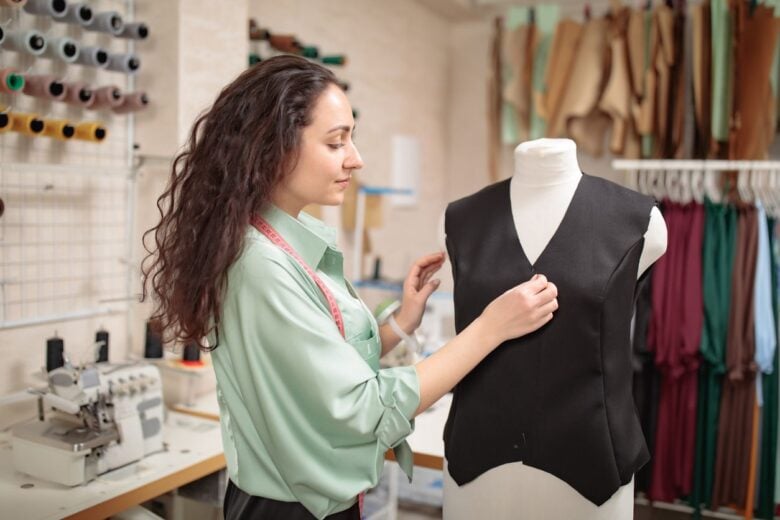
Image Credit: shcherbak volodymyr/istockphoto.
Conclusion
Reflecting on some of those questionable fashion choices can be humbling. It reminds us that what we consider ‘cool’ is often just a matter of personal taste and can change in the blink of an eye. Things we thought were groundbreaking and chic can quickly turn into sources of embarrassment. The trends we once rocked with confidence now bring a smile, even if it’s not for the reasons we expected.
Despite these fashion missteps, the 1990s hold a special place in our hearts thanks to the rich cultural contributions and creativity of the time. The music, movies, and tech innovations from that decade still shape our culture today, proving that great ideas can stick around even alongside some less-than-stellar style choices. Sometimes, it’s the bold experiments (and even the flops) that make a decade memorable.
If you’re feeling nostalgic, check out our other articles at MediaFeed for more strolls down memory lane that might just make you appreciate today’s fashion a little more!
Related:
- 10 cringy ’80s trends we thought were hot (but totally weren’t)
- 22 Disturbing Movies You’ll Never Forget (But Wish You Could)
Like MediaFeed’s content? Be sure to follow us.
This article was syndicated by MediaFeed.org.
AlertMe