The Price of Stardom
The life of a leading actor in Hollywood often means inhabiting an extreme schedule: grueling hours, back-to-back projects, and intense physical and mental demands. The pressure to deliver an iconic, flawless performance while dealing with public scrutiny is immense. While these actors defined an era and delivered some of cinema’s most beloved work, the personal cost of this level of output was significant.
This article peels back the curtain to reveal how ten major stars managed chronic exhaustion and stress, successfully delivering iconic performances while preserving their careers and well-being. Their coping strategies offer practical lessons for anyone navigating a high-pressure environment.

Image Credit: IMDb
Actor 1: Harrison Ford — From Indiana Jones to Star Wars
Harrison Ford’s early career was marked by overlapping, massive blockbuster shoots—often requiring extreme schedules, dangerous stunts, and long international travel with tight filming deadlines.
His core coping strategies centered on disciplined sleep routines, selective role choices to avoid back-to-back emotional demands, and ensuring brief, structured downtime between projects. He understood that consistency required conservation of energy.

Image Credit: M.C. Productions / IMDB.
Actor 2: Meryl Streep — High Emotional Load
Meryl Streep built her career on tackling physically and emotionally demanding roles back-to-back, requiring immense mental flexibility and depth of feeling.
Her strategy involved deep preparation combined with proactive self-care: meditation, careful rehearsal pacing, and conscious emotional self-care to shed characters between shoots. This allowed her to maintain mental clarity while consistently delivering award-winning performances.

Image Credit: DepositPhotos.com.
Actor 3: Tom Hanks — Living Multiple Characters in Tight Succession
Tom Hanks often spent years shooting multiple films of vastly different genres in tight succession, demanding rapid emotional and physical shifts.
His strategy emphasizes intentionality: using mindfulness, structured preparation rituals, and non-negotiable structured breaks to mentally transition between worlds. The key wellness takeaway from Hanks is that pacing and intentionality are the best preventive measures against burnout.

Image Credit: IMDb
Actor 4: Sigourney Weaver — Sci-Fi and Action Physical Demands
Sigourney Weaver’s most iconic roles, particularly in the Alien franchise, involved long hours on effects-heavy sets requiring high physical output and sustained tension.
Her strategy relied heavily on physical fitness, disciplined recovery routines, and mental rehearsal to prepare for the exhausting demands. Her experience is a modern reflection that physical fitness is as important for mental resilience and stamina as it is for performing stunts.

Image Credit: Eva Rinaldi/Wikimedia Commons.
Actor 5: Robin Williams — Extreme Emotional Output
Robin Williams faced the unique challenge of extreme emotional output required for both his manic comedy and his intense dramatic roles, often relying on relentless improvisation.
His strategy involved utilizing therapy, cultivating personal hobbies, and taking deliberate, occasional retreats from Hollywood to recharge his boundless energy. His career is a powerful lesson that even the most energetic individuals need structured replenishment to prevent depletion.

Image Credit: DepositPhotos.com.
Actor 6: Julia Roberts — Long Shoots with Intense Scrutiny
Julia Roberts navigated the challenge of long, demanding film shoots while constantly managing an intense degree of public scrutiny and media pressure on her personal life.
Her strategy focused on time blocking, non-negotiable personal boundaries, and highly selective media exposure. This proactive boundary-setting was essential for protecting her mental health in one of the most high-demand careers in the world.

Image Credit: DepositPhotos.com.
Actor 7: Robert De Niro — Physical Transformation Under Time Constraints
Robert De Niro is known for roles requiring significant physical transformation (like Raging Bull), often completed under strict time constraints between projects.
His ability to sustain this involved a strict regimen of diet, exercise, and mental focus techniques. His career demonstrates the direct link between sustained physical health and the demanding requirements of performance sustainability.

Image Credit: arp/depositphotos.
Actor 9: Leonardo DiCaprio — Method Acting Under Grueling Schedules
Leonardo DiCaprio’s commitment to method acting means his roles require deep emotional and physical immersion, often combined with grueling, location-specific schedules.
His strategy includes guided meditation, mandatory outdoor time (connecting with nature), and a strict focus on nutrition for endurance. This emphasizes a holistic wellness approach that treats the mind and body as one interconnected performance system.
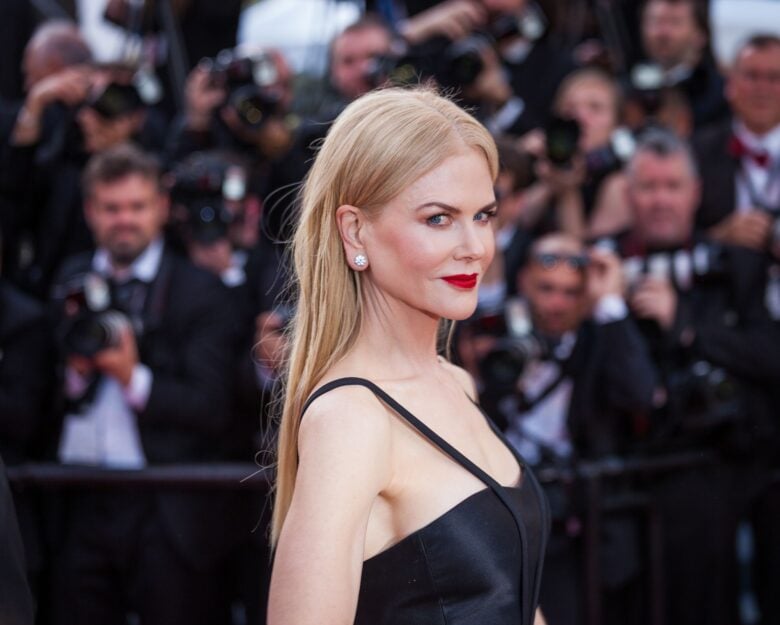
Image Credit: Depositphotos.com.
Actor 10: Nicole Kidman — Maintaining Balance Amid Long Productions
Nicole Kidman has balanced a career of high-demand roles with long, isolating location shoots around the world.
Her successful strategy involves consistent reliance on therapy, regular yoga, and maintaining strict personal routines regardless of location. This structured self-care is critical for maintaining stability and long-term performance in an inherently chaotic profession.

Image Press Agency / Deposit Photos
Common Patterns in Their Coping Strategies
The enduring success of these actors reveals consistent, non-negotiable coping strategies:
- Internal Practices: Daily use of sleep, mindfulness, meditation, and therapy.
- External Pacing: Setting clear boundaries (personal/media) and strategic planning to prevent overlapping projects.
- Physical Grounding: Prioritizing physical fitness and movement (yoga, exercise) to build mental and emotional resilience.
- Support Systems: Utilizing friends, family, and professionals to process emotional demands.
These are practical takeaways for readers in any high-pressure environment: self-care is a professional investment, not a luxury.
Related:
- Gen Z spends their money on these stress reducers (which baffles Boomers)
- The mindfulness of maintenance: Why fixing old cars soothes the soul
Like MediaFeed’s content? Be sure to follow us.
This article was produced and syndicated by MediaFeed.us.
AlertMe