What Is Painful Intimate Discharges?
Intimate activity is supposed to be enjoyable. So when you reach what you anticipate to be the pinnacle of pleasure only to feel pain instead, the experience can be frightening. Fortunately, treatments are available — but, first you have to figure out what’s happening.
Painful intimate discharges refers to the pain or discomfort that some men feel during or after intimate discharges. The pain may be felt in the privates, scrotum, perineum, or perianal areas, and it can feel like a throbbing or burning sensation.
Painful intimate discharges may be a sign of an underlying medical condition, ranging from urinary tract infections and inflammation of the prostate to medication side effects and nervous system disorders. Psychological issues also can cause pain when intimate discharges.
If you’re experiencing pain or discomfort during or after intimate discharges, keep reading to get answers to all of your questions about pain, including:
- Why does it burn when I ejaculate?
- Can painful intimate discharges cause dysfunction?
- What treatment options are available?
In addition to common causes and treatments, we’ll discuss what you can do at home to lower your risk of experiencing painful intimate discharges in the future for better, more pleasurable intimacy.

Image Credit: Alan Mazzocco/Istockphoto.
How Common Is Painful Intimate Discharges?
Studies show that painful intimate discharges affect around one to 25 percent of the general population, with pain ranging from a dull ache to unbearable. In some cases, pain during intimate discharges is an isolated symptom, and in other cases, the pain is associated with urinary symptoms or pelvic pain outside of intimate activity. Despite its prevalence, painful intimate discharges is a vastly under-reported symptom.

Image Credit: Antonio_Diaz/iStock
Symptoms of Painful Intimate Discharges
Symptoms of painful intimate discharges vary from person to person. Some men have mild discomfort, while others experience excruciating pain. To make things more complicated, some men only experience pain when having intimacy with a partner but not while having solo-time.
This pain can start immediately before, during, or after intimate discharges and last between two to 24 hours. For many men, painful intimate discharges can reduce their self-esteem and drive, resulting in decreased quality of life.
Symptoms of painful intimate discharges may include:
- Pain immediately before, during, or after intimate discharges
- Pain in or around the privates, including pain, testicular pain, or pain in surrounding areas like the urethra, perineum, rectum, or lower abdomen
- Pain during urination, particularly right after intimate discharges
Depending on the underlying cause, painful intimate discharges may occur alongside other symptoms like discharge from a transmitted infection (STI) or frequent urination from a urinary tract infection. We’ll cover these related symptoms when we discuss painful intimate discharges causes.

Image Credit: stefanamer/istockphoto.
Complications of Painful Intimate Discharges
Painful intimate discharges is often a symptom of an underlying medical condition that may require treatment. Over time, painful intimate discharges may lead to impaired intimate function and other complications if left unaddressed.
Painful intimate discharges complications can include:
- Dysfunction. Painful intimate discharges can negatively impact your intimate function, leading to issues like low drive or avoidance of intimacy. There also appears to be a link between painful intimate discharges and ED. In one study of men with benign prostatic hyperplasia experiencing pain when intimate discharging, 72 percent of men also reported ED.
- Relationship problems. If painful intimate discharges has led to dysfunction or an avoidance of intimacy, it can cause problems in your relationship.
- Infertility. Avoidance of intimacy can also lead to infertility, but so can some of the underlying causes related to painful intimate discharges if they’re not addressed, like cysts or stones in the duct or chronic prostatitis.
- Mental health issues. Painful intimate discharges can take a toll on your mental health, causing anxiety, depression, low self-esteem, and diminished quality of life.

Image Credit: nd3000/Istockphoto.
Causes of Painful Intimate Discharges
Painful intimate discharges may occur for a variety of reasons, ranging from transmitted infections to stones in the prostate.
The most common causes of painful intimate discharges include:
- Urinary tract infections
- Transmitted infections (STIs)
- Prostatitis
- Urethritis
- Pelvic floor dysfunction
- Chronic pelvic pain syndrome
- Duct obstruction
- Medication side effects
- Neurological disorders
- Poor hygiene
- Psychological issues

Image Credit: monkeybusinessimages/iStock
Urinary Tract Infections
Urinary tract infections (UTIs) are more common in women due to their short urethra, but men aren’t immune to them.
If you experience burning after intimate discharges and after you pee, you may be dealing with a UTI. Other UTI symptoms include frequent urination, urinary urgency, painful urination, cloudy or foul-smelling urine, fatigue, and fever.
Left unaddressed, UTIs can lead to complications like prostate or kidney infections and sepsis.

Image Credit: SeventyFour/iStock
Transmitted Diseases STIs
transmitted infections (STIs), also called transmitted diseases (STDs), can cause pain during or after intimate discharges. These infections typically involve the urethra and sometimes the prostate.
STIs that can cause pain during or after intimate discharges include:
- Chlamydia
- Gonorrhea
- Syphilis
- Trichomoniasis
- Herpes (HSV)
It’s essential to seek early treatment if you suspect you’ve been infected with an STI. Untreated infections can be passed to partners and may result in severe complications, including but not limited to infertility for you or your partner.

Image Credit: stefanamer/iStock
Inflammatory Conditions
Inflammatory conditions that affect the reproductive tract can cause painful intimate discharges. They may be caused by bacterial, viral, or fungal infections; or may be caused by non-infectious inflammatory or autoimmune conditions. These inflammatory conditions are named according to the involved organ.
- Urethritis. Urethritis refers to inflammation of the urethra, the tube that carries urine and semen from your pelvis to the tip of the privates. Urethritis can cause pain during urination or intimate discharges as urine or semen passes through the inflamed tube. Affected patients often have discharge from the privates, swelling, or itching.
- Prostatitis. Prostatitis refers to inflammation of the prostate gland. The prostate is an organ under the bladder that produces about 30% of the fluid that comes out with each intimate discharges. Prostate inflammation can cause significant pain with intimate discharges. Around 30 to 75 percent of men who suffer from chronic pelvic pain/chronic prostatitis experience persistent pain during intimate discharges. Prostatitis may also cause hematospermia, or bloody sperm.
- Epididymitis. Epididymitis is inflammation of the epididymis, the small organ attached to each part of the privates that stores sperm. In order for sperm to get out, the epididymis contracts rhythmically at the time of intimate discharges. If it is inflamed, those contractions can cause pain in the scrotum or privates that may range from from mild discomfort to severe, unrelenting pain. Epididymitis can be the acute result of a bacterial or viral infection, or may be a chronic issue. Certain activities, including intimate discharges, can worsen the pain in patients with chronic epididymitis.
- Orchitis. Orchitis refers to inflamed privates parts. The condition can result from infectious, vascular, or systemic inflammatory conditions. It may involve one or both privates’ parts, and the pain from orchitis can be exacerbated during intimate discharges.

Image Credit: Dacharlie/iStock
Duct Obstruction
Fluid and sperm from the privates, epididymis and seminal vesicles flow into the part of the urethra near the prostate through small tubes called the ducts. These small tubes can get blocked by stones, cysts or scar tissue from prostate surgery. If the ducts are blocked, pressure from fluid build up and pelvic muscular contractions can cause significant pain during intimate discharges. This pain can be felt in the pelvis, the perineum, the privates and the privates. Other symptoms that may be present include low semen volume and blood in the semen. Duct obstruction can also cause infertility, which can be mild if the blockage is partial or severe if the blockage is complete.

Image Credit: AlexRaths/iStock
Surgical Complications
Some surgical procedures can lead to painful intimate discharges. Prostate, bladder and privates surgeries can cause scar tissue to form that can block the flow of semen during intimate discharges. Vasectomies and even hernia surgeries can cause pain by irritating the sensitive sensory nerves near the privates and privates, which makes them sensitive to the intense muscular contractions that occur during intimate discharges.
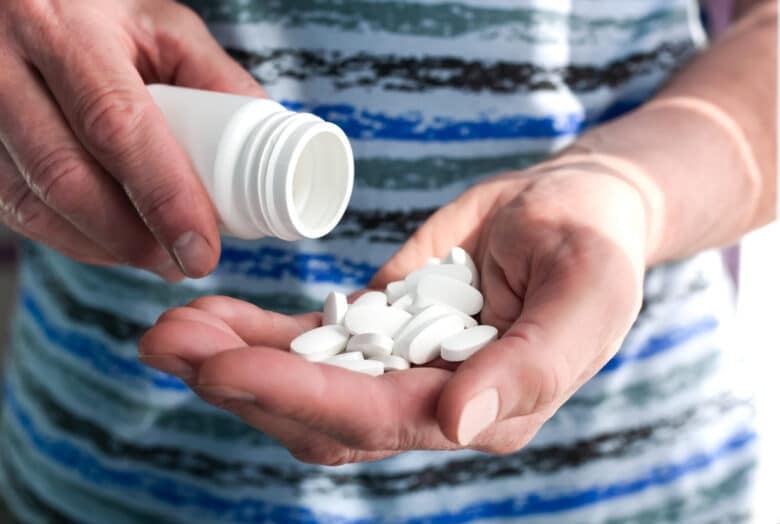
Image Credit: Markovtel/iStock
Medication Side Effects
Side effects of certain drugs may cause painful intimate discharges. Medications that can have these impacts include:
- Tricyclic antidepressants like amoxapine, clomipramine, desipramine, imipramine, and protriptyline
- Serotonin-norepinephrine reuptake inhibitors (SNRIs) like venlafaxine
- Muscle relaxants like cyclobenzaprine

Image Credit: Jacob Wackerhausen/iStock
Neurological Disorders
Certain specific neurological disorders can cause painful intimate discharges. Pudendal nerve entrapment, in which the main nerve responsible for intimate sensation gets trapped and compressed, is a good example. Chronic pelvic pain syndrome (CPPS), which is a poorly understood mixed inflammatory and neurological disorder, can also cause pain. Interestingly, some men with CPPS find relief through intimate discharges, while others find their pain exacerbated.

Image Credit: MDV Edwards/iStock
Poor Hygiene
If you experience too much pain, the problem may have more to do with hygiene than tissue or nerve damage. Having solo-time or being intimate multiple times in a short window without washing up or using sufficient lubrication can lead to friction burn and bacterial skin infections such as balanitis that can make intimacy and intimate discharges uncomfortable.

Image Credit: stefanamer/iStock
Psychological Issues
If you’ve seen a medical provider about your pain and they haven’t determined a physiological cause, there’s a chance that psychological issues may be at play. Stress, anxiety, shame, and guilt can all take a toll on your intimate health.
One of the biggest signs that your pain is psychological is if it only occurs during intimacy and not while having solo-time. Speaking to a therapist is the best course of action here.

Image Credit: Drazen Zigic/Istockphoto.
Risk Factors for Pain After Intimate Discharges
Risk factors for painful intimate discharges include:
- Medical conditions like prostate cancer, Peyronie’s disease, and diabetes
- History of urological surgery on the privates, prostate or bladder
- Chronic infections of the genitourinary tract
- Autoimmune disorders
- Neurological disorders, especially involving peripheral nerves
- Congenital genitourinary tract conditions like Zinner syndrome
- High risk intimate behaviors
- Poor hygiene

Image Credit: Prostock-Studio/Istockphoto.
Diagnosing Painful Intimate Discharges
Have you been trying to avoid your doctor so you don’t have to ask, Why does it hurt when I ejaculate? If so, you’re not alone. According to a 2019 Cleveland Clinic survey, 72 percent of men would rather do household chores than go to the doctor. And around 20 percent of the men who go to the doctor are not fully honest with their healthcare providers.
Knowing what to expect when it comes to diagnosing painful intimate discharges may help squash your fear.
To diagnose the cause of painful intimate discharges, a urologist or other healthcare provider will typically take a detailed medical history and perform a physical exam, which may include a digital rectal exam and an examination of your privates. They may also recommend additional tests, such as a urinalysis and semen analysis, ultrasound, STI testing, and pelvic floor examination.
When your provider has a clearer idea of what’s causing your pain, they’ll provide a treatment plan, which may include medication or physical therapy for underlying conditions.

Image Credit: Prostock-Studio/istockphoto.
Treatment Options for Painful Intimate Discharges
The treatment of painful intimate discharges depends on the underlying cause and may include medication, physical therapy, or even psychotherapy. In some cases, your provider may recommend adjusting medications, though you should never stop taking prescribed medication without medical advice first.
Some of the most common treatments for painful intimate discharges include:
- Antibiotics. Antibiotics may be prescribed if your pain is caused by a bacterial infection, such as a UTI or STI.
- Alpha-blockers. Alpha-blockers like tamsulosin relax the muscles inside the prostate. These medications have been shown to lower pain intensity and increase libido in men with painful intimate discharges.
- Anti-inflammatory medications. Anti-inflammatory drugs like NSAIDs may be helpful if the cause of your pain is an inflammatory condition like orchitis or urethritis. These drugs are typically administered with antibiotics if a bacterial infection is present.
- Nerve blocks. Pudendal nerve blocks may relieve pain related to nerve issues, such as pudendal nerve entrapment and chronic pelvic pain.
- Pelvic floor physical therapy. Pelvic floor exercises help treat pelvic floor dysfunction, which may help relieve pain. Studies show that painful intimate discharges is the most common problem for men with a tight pelvic floor, which occurs in around 39 to 58 percent of men with chronic prostatitis/chronic pelvic pain syndrome.
- Prostate massage. In one study, prostate massage was as effective as biofeedback and electrical stimulation in treating the pain associated with chronic prostatitis /chronic pelvic pain syndrome, common causes of painful intimate discharges. Even better results were seen when the two therapeutic methods were used simultaneously.
- Counseling. If the root of pain is psychological, talking to a psychotherapist, counselor, or therapist can be helpful.

Image Credit: JLco – Julia Amaral/iStock
How to Prevent Discomfort After Intimate Discharges
You can’t always prevent discomfort during or after intimate discharges if a medical condition causes it. However, simple lifestyle changes may help lower your risk of experiencing painful intimate discharges.
You might try the following:
- Wear condoms to prevent STDs and STIs
- Do pelvic floor exercises regularly
- Practice good personal hygiene
- Eat a healthy, balanced diet
- Hydrate often
- Avoid smoking
- Exercise regularly
- Maintain a healthy weight
- Seek early treatment for unusual sores, discharge, or other symptoms

Image Credit: Antonio_Diaz/iStock
Feel Pain? Next Steps
Feeling pain can be frustrating or maybe even alarming. Fortunately, treatments are available, but you need to determine what’s causing your pain first.
If you are experiencing pain with intimate discharges, I recommend consulting a urologist to figure out the most appropriate treatment and to manage symptoms effectively.
If painful intimate discharges is causing dysfunction issues like ED or low libido, talk to your healthcare provider about what options are available. Even when you treat underlying conditions, you may still be reluctant to have intimacy to avoid feeling pain. Working with a counselor or considering ED medication may be beneficial.
Related:
Like MediaFeed’s content? Be sure to follow us.
This article originally appeared on Hims.com and was syndicated by MediaFeed.org
AlertMe