

Historical “discoveries” that turned out to be elaborate hoaxes
The allure of groundbreaking discoveries stems from humanity’s desire to fill knowledge gaps, confirm existing beliefs, and achieve recognition for revealing truths about our world and past. The excitement surrounding potential breakthroughs in science, archaeology, and natural history creates conditions where fabrications can gain acceptance before rigorous verification occurs. This vulnerability to deception persists across centuries as each generation falls prey to hoaxes that exploit contemporary blind spots in methodology and cultural assumptions.
Discovery hoaxes in historical and scientific contexts involve deliberate fabrications of evidence, artifacts, or observations that claim to answer fundamental questions about human origins, natural phenomena, or unexplained mysteries. These deceptions range from carved stone figures presented as ancient remains to composite fossils assembled from disparate species. The perpetrators employ varying degrees of sophistication, ranging from crude forgeries to elaborate constructions that require significant artistic skill and scientific knowledge.
Examining major historical hoaxes provides insights into the scientific methods, cultural biases, and human motivations that spanned fame-seeking, financial gain, and mischievous pranks, characterizing different eras and shaping how communities evaluated extraordinary claims.
Geological Society of London / Wiki Commons
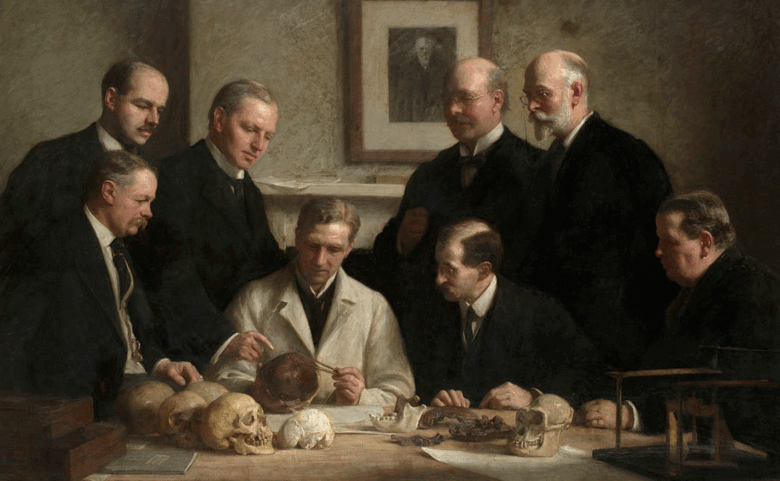
The Piltdown Man
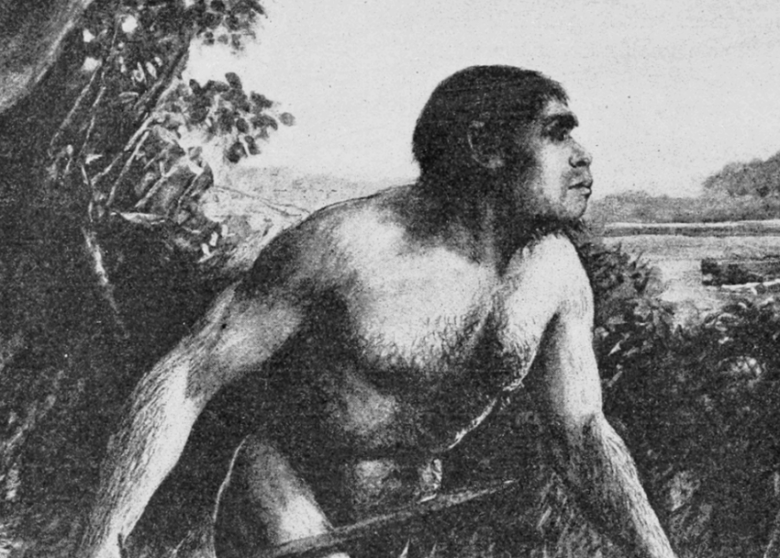
The Piltdown Man fraud began in 1912 when Charles Dawson presented fossil fragments from a gravel pit in Sussex, England, claiming they represented a crucial evolutionary missing link between apes and humans. The specimen featured a large human-like cranium combined with an ape-like jaw, suggesting a creature with advanced brain development but primitive facial features. The discovery confirmed theories that brain expansion preceded other anatomical changes in humans during evolution.
The fabrication misled evolutionary science for over four decades, influencing the directions and interpretations of paleontological research and genuine fossil finds throughout this period. British scientists, in particular, embraced the discovery as evidence that human evolution originated in England rather than Africa. The hoax gained credibility through its association with respected institutions and reinforced existing nationalistic and scientific biases, which blinded researchers to apparent inconsistencies.
Scientific testing using fluorine dating methods in the 1950s finally exposed the fraud, revealing that the skull belonged to a modern human and the jaw came from an orangutan, both of which had been deliberately stained to appear ancient. The exposure demonstrated how inadequate verification procedures and confirmation bias allowed an obvious fake to deceive the scientific establishment for generations.
Wiki Commons
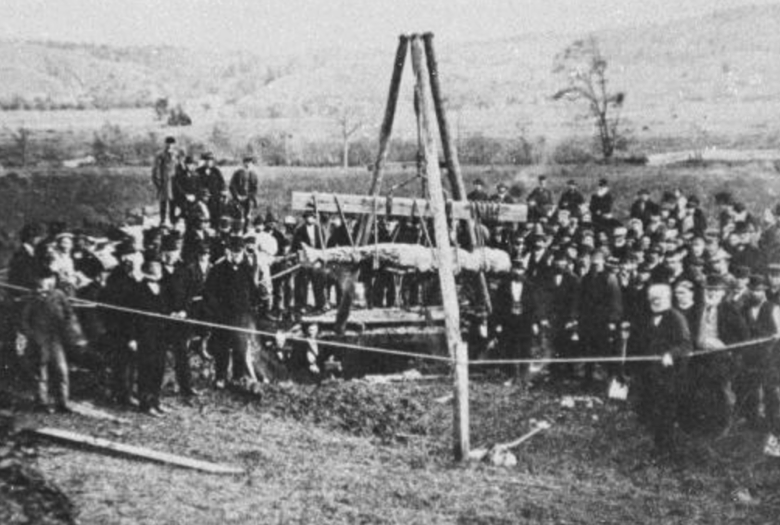
The Cardiff Giant
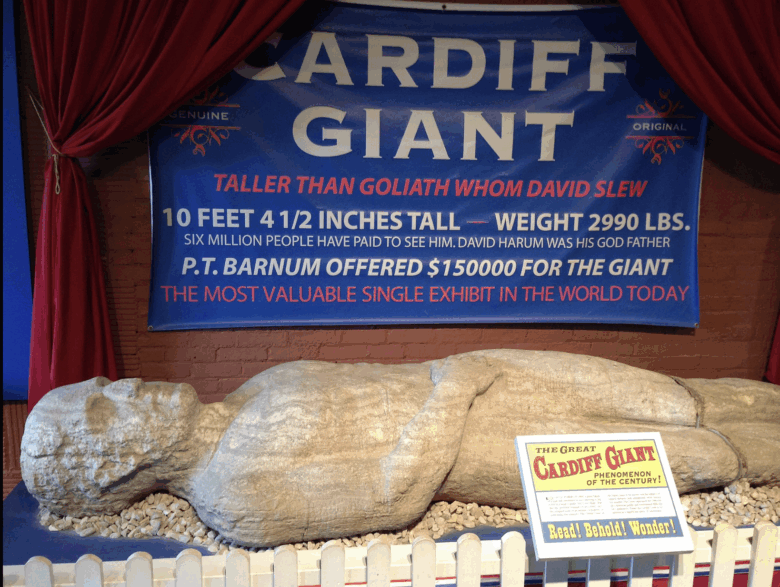
George Hull created the Cardiff Giant in 1869 as an elaborate prank targeting literal Biblical interpretations, particularly Genesis 6:4’s mention of giants in ancient times. The atheist cigar maker commissioned a 10-foot-tall gypsum figure carved to resemble a petrified human, complete with convincing anatomical details and surface aging. Hull buried the statue on his relative’s farm in Cardiff, New York, then arranged for workers to “discover” it during well-digging operations.
The fabrication became a sensational public attraction, drawing thousands of paying visitors eager to witness what they believed was proof of Biblical accounts or evidence of a lost race of giants. Newspapers extensively covered the discovery, and prominent figures debated its authenticity. The phenomenon revealed public hunger for extraordinary discoveries that confirmed religious or pseudoscientific beliefs about human prehistory.
Hull eventually exposed his own creation after successfully profiting from the fraud, although some believers continued to insist the giant was genuine despite the confession. The episode demonstrated how commercial motivations could exploit public credulity and how spectacular frauds could persist despite mounting evidence to the contrary.
Wiki Commons
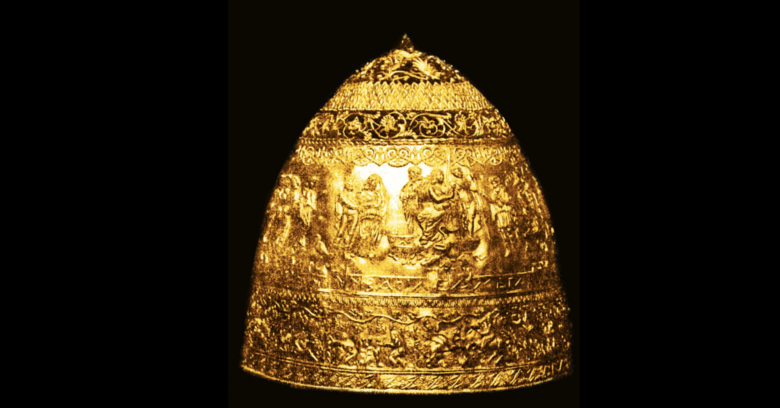
The Tiara of Saitaphernes
The Louvre Museum purchased what appeared to be an exquisite ancient Scythian gold tiara in 1896, celebrating the acquisition as a masterpiece of classical goldsmithing that would enhance its collections. The elaborate piece featured intricate decorative work supposedly dating to several centuries BCE. Museum experts authenticated the tiara based on stylistic analysis, accepting it as genuine ancient craftsmanship without adequate provenance verification.
The exposure came when Israel Rouchomovsky, a modern Odessa goldsmith, revealed that he had created the piece on commission, producing sketches and documentation that proved his authorship. The scandal humiliated the Louvre and demonstrated how even prestigious institutions could be deceived by skilled artisans creating works in historical styles. The incident revealed weaknesses in authentication procedures that relied heavily on stylistic analysis rather than provenance research or technical examination.
The affair damaged the Louvre’s reputation and prompted museums to develop more rigorous acquisition and authentication protocols. The tiara remained in the museum’s collections as an example of sophisticated forgery rather than ancient art.
The Sun / Wiki Commons
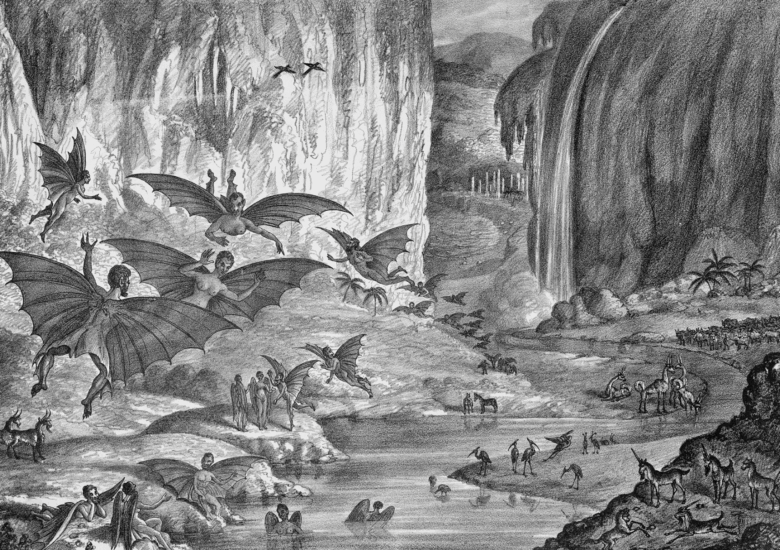
The Great Moon Hoax
The New York Sun published a series of articles in 1835 claiming that astronomer Sir John Herschel had observed extraordinary life forms on the Moon using a powerful new telescope. The reports described bat-winged humanoids, unicorns, bipedal beavers, and lush vegetation thriving in the lunar environment. The articles provided elaborate technical details about the supposed telescope and observation methods that lent credibility to the fantastic claims.
The fabrication created a massive public sensation and dramatically increased the newspaper’s circulation, demonstrating the commercial value of sensational scientific claims. Readers desperate for news about lunar discoveries accepted the reports despite their implausibility. The hoax succeeded partly because actual astronomical knowledge remained limited enough that extraordinary claims about distant celestial bodies seemed plausible to general audiences.
The journalistic satire was eventually recognized as fiction, although some readers continued to believe the reports were genuine. The episode revealed how media could manufacture scientific consensus through repetition and authoritative framing, establishing patterns that would recur in future media hoaxes.
Wiki Commons
The Archaeoraptor
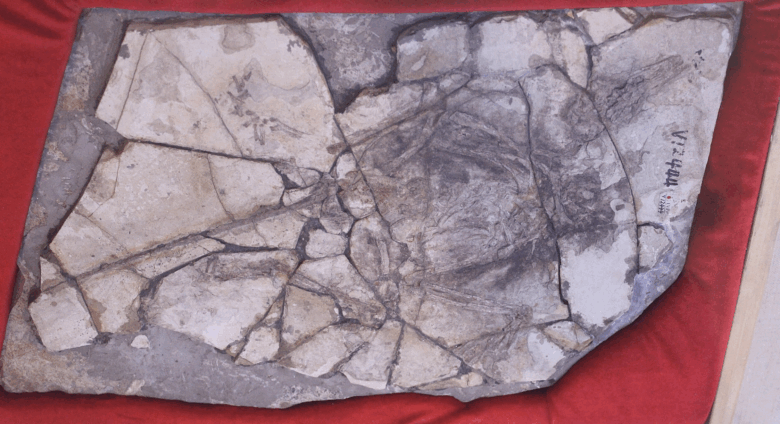
National Geographic magazine published claims in 1999 about a fossil specimen named Archaeoraptor that supposedly represented a crucial evolutionary link demonstrating the connection between dinosaurs and birds. The fossil appeared to show a creature with both avian and dinosaurian features, seemingly providing the missing link that would cement theories about bird evolution. The magazine promoted the discovery heavily before subjecting it to adequate peer review processes.
An investigation revealed that a Chinese farmer had created the composite by combining a bird fossil with a dinosaur tail, then selling the fabrication to collectors who failed to recognize the fraud. The fake had been constructed skillfully enough to temporarily deceive paleontologists who were eager to find evidence supporting the evolutionary connections between birds and dinosaurs. The specimen’s journey from Chinese fossil markets to a prominent publication demonstrated failures in verification at multiple points.
The scandal damaged National Geographic’s credibility and highlighted the dangers of bypassing rigorous peer review in the pursuit of sensational discoveries. The episode prompted stricter protocols for evaluating fossils from Chinese sources, where commercial pressures had created incentives for the fabrication of fossils.

Wiki Commons
The Cottingley Fairies
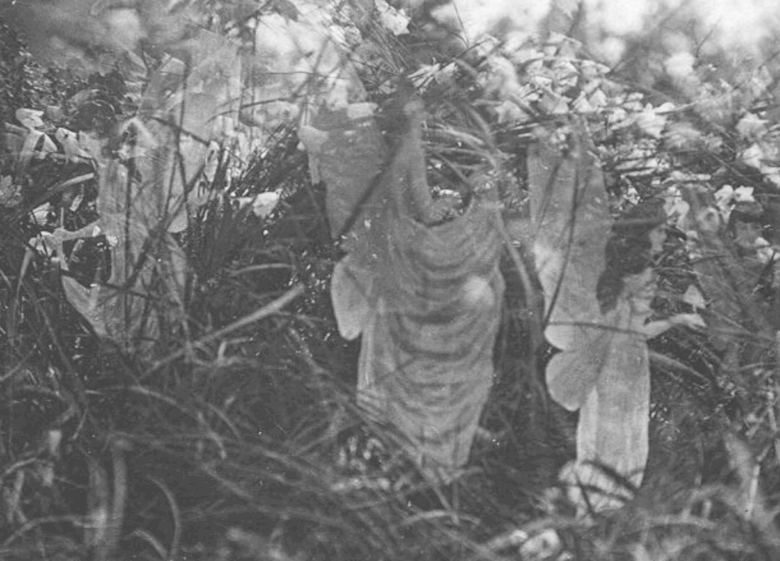
Two young cousins in Yorkshire, England, produced five photographs between 1917 and 1920 showing themselves posed with what appeared to be small winged fairies. The images provided photographic evidence for the existence of fairies, a possibility that captured the public imagination during an era when spiritualism and interest in supernatural phenomena were widespread. The photographs’ apparent authenticity derived from the girls’ innocent presentations and the limitations of photographic analysis techniques available at the time.
Sir Arthur Conan Doyle, despite creating the logical detective Sherlock Holmes, became a prominent believer in the photographs’ authenticity and promoted them through articles and a book. His endorsement lent credibility that helped the images gain international attention. The episode demonstrated how even intelligent and educated individuals can abandon skepticism when evidence appears to confirm their desired beliefs about supernatural realms.
Decades later, the elderly cousins admitted the “fairies” were cardboard cutouts copied from a children’s book and held in place with hatpins. The revelation came only after the principals felt safe confessing without fear of ridicule or punishment. The long deception illustrated how hoaxes could persist when perpetrators maintained consistent stories and investigators lacked tools to disprove photographic evidence definitively.
Wiki Commons
Motivations behind historical hoaxes
Financial gain drove many hoaxers who recognized that spectacular discoveries or artifacts could generate substantial revenue through exhibition fees, sales to collectors, or publicity value. The Cardiff Giant exemplified this motivation as Hull profited significantly from admission charges before revealing his fabrication. Commercial fossil markets in China created similar incentives that led to the creation of the Archaeoraptor composite and numerous other fakes designed to appeal to collectors.
The desire for fame or academic recognition motivated perpetrators who sought validation through association with essential discoveries, even if achieved through fraudulent means. Some hoaxers craved attention and enjoyed deceiving experts who considered themselves too sophisticated to be fooled. Others pursued intellectual pranks or satire, using fabrications to mock beliefs or theories they found absurd.
Confirmation bias played a crucial role, as hoaxers created evidence that supported prevailing theories or popular beliefs, making their frauds more likely to gain acceptance. The Piltdown Man succeeded partly because it confirmed expectations about human evolution originating in Europe, with brain development preceding other changes. Scientists eager to validate their theories proved willing to overlook evidence suggesting fabrication.
Wiki Commons
Cultural and scientific impact
These hoaxes exposed critical flaws in contemporary scientific methodology, particularly the lack of rigorous chemical dating, inadequate peer review, and overreliance on stylistic or morphological analysis without supporting evidence. The Piltdown Man’s decades-long acceptance revealed how scientific consensus could form around fraudulent evidence when verification procedures remained insufficient. The exposure of each hoax prompted methodological improvements designed to prevent similar deceptions in the future.
Media and public credulity amplified deceptions by spreading claims before verification occurred and creating pressure on experts to validate exciting discoveries. The Great Moon Hoax demonstrated how newspapers could manufacture scientific authority through confident reporting and technical-sounding descriptions. Public desire for extraordinary discoveries created environments where skepticism was discouraged and questioning motives was considered unsporting.
The enduring lesson emphasizes the necessity of skepticism, rigorous peer review, and continuous re-examination of evidence across all fields of discovery. Each hoax exposure strengthened verification procedures and heightened awareness about the human susceptibility to deception, particularly when evidence appears to confirm existing beliefs or desires.
Popular Science / Wiki Commons
Conclusion
The most impactful hoaxes maintained influence for periods ranging from months to decades, with the Piltdown Man’s four-decade reign representing the most enduring scientific fraud. The Cardiff Giant, Cottingley Fairies, and Archaeoraptor each demonstrated how fabrications could gain acceptance across different eras despite evolving scientific capabilities. The span of these deceptions reflected both the sophistication of the frauds and the weaknesses in verification systems that allowed them to persist.
Hoaxes, though disruptive to scientific progress and damaging to institutional credibility, ultimately strengthened critical thinking and scientific rigor by exposing methodological weaknesses and highlighting the dangers of confirmation bias. Each exposure prompted improvements in authentication procedures, dating techniques, and peer review processes, making subsequent frauds harder to perpetrate successfully. The legacy of these deceptions includes heightened skepticism and more robust verification systems that, while not eliminating fraud, make it considerably more challenging to maintain elaborate hoaxes for extended periods. Check out our other history and science articles here at MediaFeed to discover additional insights into how scientific methodology has evolved through trial, error, and occasional deception.
Related:
Like MediaFeed’s content? Be sure to follow us.
This article was syndicated by MediaFeed.org.
AlertMe