More photos of one-hit wonders only Boomers remember
Some of you wrote in asking for more one-hit wonders from the Boomer years, so here is a second installment. This one covers the years between 1969 and 1979, a decade when pop music was reinventing itself almost season by season and a single song could come out of nowhere, hit number one, and define a moment so completely that the artist never needed to do anything else.
These songs have a je ne sais quoi that can’t be explained in simple terms.
Some were massive at the time and then slipped through the cracks of collective memory. Others were so specific to a particular summer or feeling that they burned bright and brief. All of them hold up.

Image Credit: Amazon.com.
‘Seasons in the sun’ — Terry Jacks (1974)
Terry Jacks recorded “Seasons in the Sun” after the Beach Boys passed on it. The song is an adaptation of a Jacques Brel ballad about a dying man saying goodbye to everyone he has loved, set to a melody cheerful enough to make you forget what it is about. It reached number one in the US, UK, and Australia in 1974 and sold six million copies. He never had another comparable hit.

Image credit: Matthias Lindner / Wikipedia
‘It never rains in Southern California’ — Albert Hammond (1972)
Albert Hammond wrote this song on his first morning in Los Angeles, which gives its gentle irony a biographical edge. The title was a cultural myth he was testing even as he lived it. It reached number five in the US in 1972. Hammond went on to become a successful songwriter for others, but this was his only hit as a performer.
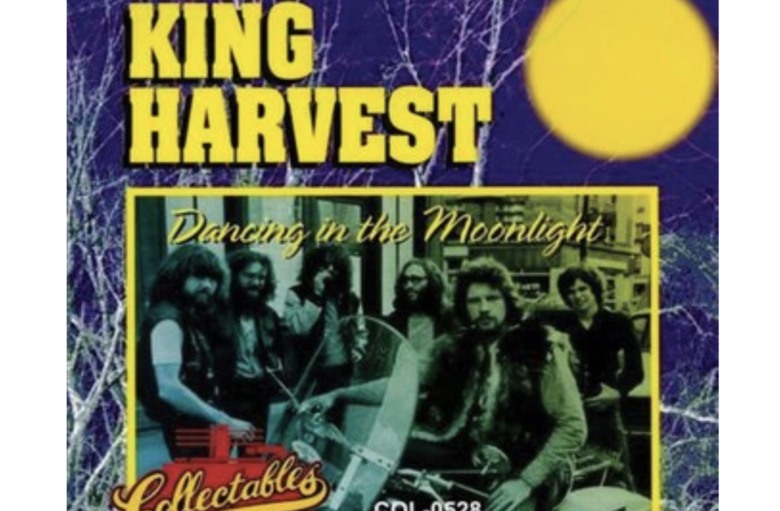
Image credit: Amazon
‘Dancing in the moonlight’ — King Harvest (1973)
Few songs from that decade have aged as well as this one. King Harvest recorded a track so relaxed and warm it feels less like a pop song and more like an accidental good mood. It reached number 13 in the US in 1973. The band barely registered again afterward. The song has kept circulating ever since, turning up in films and on playlists as though each new generation finds it on its own.
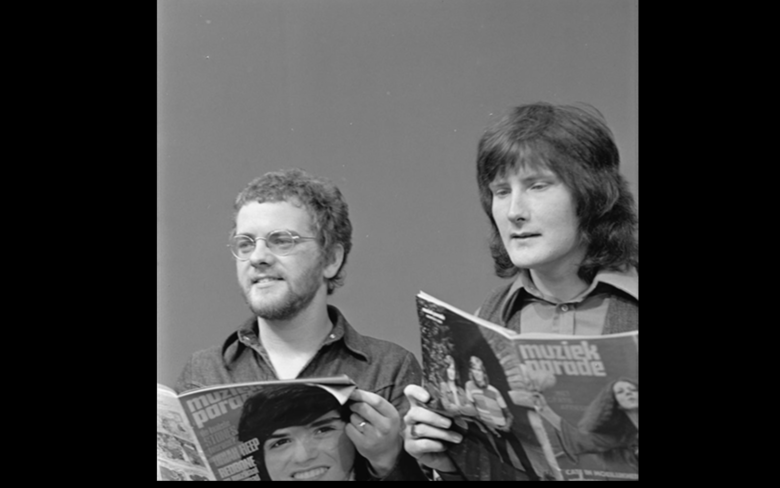
Image credit: AVRO / Wikipedia
‘Stuck in the middle with you’ — Stealers Wheel (1973)
Stealers Wheel had been compared to Simon and Garfunkel before this loose, Dylan-influenced track turned them into something else entirely. It reached number six in the US in 1973. The song spent years as a radio staple before Quentin Tarantino used it in Reservoir Dogs in 1992, introducing it to an entirely new generation. Their follow-up charted briefly. Nothing else came close.

Image credit: Ed Yourdon / Wikipedia
‘Midnight at the oasis’ — Maria Muldaur (1974)
Maria Muldaur had been part of the folk revival circuit for years before this warm, unhurried track gave her a genuine pop hit. “Midnight at the Oasis” reached number six in the US in 1974 and earned a Grammy nomination. Its languid desert imagery gave it a texture unlike most of what surrounded it on radio that year. She remained active in roots music for decades, but the pop chart never found her again.

Image Credit: DepositPhotos.com.
Wrap up
One hit was all it took. What is easy to forget is how competitive the charts were in that decade, how many records were pressed and promoted and then quietly disappeared. These songs did not disappear. They found something in the listener that the listener did not know was there, and they held onto it. The artists may have faded, but the songs kept working, kept showing up in films and commercials and road trip playlists, kept getting hummed by people who could not have told you the name of the band. That is not failure. That is a particular kind of immortality.
Ask us! What questions do you have about content, strategy, pop culture, lifestyle, wellness, history or more? We may use your question in an upcoming article!
Related:
- These singers should stick to their day job & stay off our screens
- Can you guess the 1975 song from just one lyric?
Like MediaFeed’s content? Be sure to follow us.
This article was syndicated by MediaFeed.org.
AlertMe