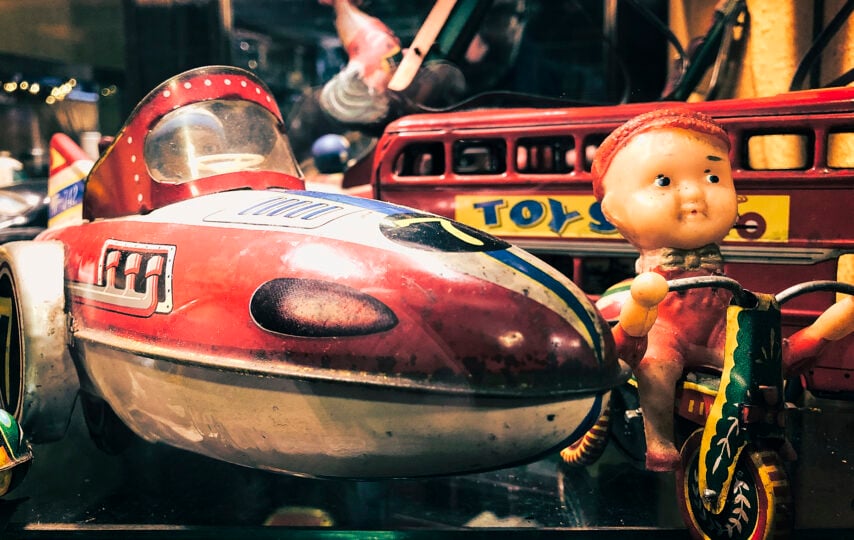

The joy of rediscovery
The scent of fresh Play-Doh hits different when you’re sixty. It carries weight now, texture, a richness that a five-year-old couldn’t fully grasp. That first whiff resurrects something dormant, something that modern wellness culture has only recently begun to package and sell back to us. Psychologist John Bradshaw observed, “Three things are striking about inner child work: the speed with which people change when they do this work; the depth of that change; and the power and creativity that result when wounds from the past are healed.” Boomers didn’t need permission slips or seven-step programs to access this wisdom. We simply picked up a Slinky and remembered how to breathe.

Image Credit: ManuKro / iStock.
Play as a path to presence
Mindfulness apps flood the marketplace, promising presence for $9.99 monthly. Meanwhile, your grandmother achieved the same state watching a metal spring walk down stairs. When you’re fully absorbed in building with Lincoln Logs or setting up a Hot Wheels track, your prefrontal cortex shifts gears. Stress hormones drop. Time bends. Research from Frontiers in Psychology confirms that mindfulness practices reduce stress and increase engagement, but Boomer toys demanded total sensory engagement long before anyone coined the term “flow state.”

Amazon
The toys that taught us joy (and patience)
Each iconic toy carried embedded lessons we absorbed without instruction manuals. The Etch A Sketch taught creative limitation. You couldn’t erase selectively. Perfection wasn’t possible. The Slinky demonstrated physics and surrender. Lincoln Logs rewarded methodical thinking. The Easy-Bake Oven transformed waiting into anticipation, teaching patience through the alchemy of a lightbulb. Hot Wheels offered control in miniature. Barbie and G.I. Joe became vessels for storytelling and exploration of identity. These were more than just diversions; they were tactile meditation tools wrapped in bright plastic.

Wiki Commons
Nostalgia as emotional medicine
The brain chemistry of nostalgia reads like a prescription. Dopamine surges. Serotonin stabilizes. Cortisol drops. Research published in Medical News Today demonstrates that nostalgic reflection strengthens social bonds, boosts self-esteem, and generates a positive emotional response. For Boomers, vintage toys symbolize an era before smartphones fragmented attention. The analog nature of these toys offers grounding in an increasingly digital landscape. Holding a metal Slinky connects you to physical reality in ways scrolling never will.

Image Credit: martince2 / istockphoto.
Modern ways to reconnect with play
Integration doesn’t require transformation. Start small. Host a game night featuring Sorry or Monopoly. Display a restored toy on your desk where it catches morning light. Join collector communities where enthusiasm flows freely. Take up puzzles, model building, or crafting with the same spirit you brought to childhood summers. This isn’t frivolous. Play builds emotional resilience and sparks creativity that a rigid productivity culture actively suppresses.

Dendenal81 / iStock
What Boomers already knew about healing
Your generation instinctively balanced grit with lightness. Laughter served as a form of survival equipment during cultural upheaval. While millennials discovered “self-care” and Gen Z champions “mental health days,” Boomers were already practicing emotional regulation through play. Matchbox cars, hopscotch, and unfettered imagination provided what expensive retreats now promise. Younger generations are learning what you never forgot: joy isn’t childish, it’s essential.

davincidig / iStock
Rediscovering the joy of play
Healing the inner child sounds clinical until you actually hold that vintage toy again. The weight of it, the memories it triggers, the smile that sneaks across your face despite yourself. This isn’t regression. It’s reclamation. The real anti-aging formula has nothing to do with serums or supplements. It could be remembering that play isn’t something you outgrow, but something you rediscover when you’re finally wise enough to recognize its value.
Related:
- 10 nostalgic movies with dreamy diner scenes
- Nostalgic gold: 1980s cartoons worth rewatching as an adult
Like MediaFeed’s content? Be sure to follow us.
This article was syndicated by MediaFeed.org.
AlertMe