
Nostalgic gold: 1980s cartoons worth rewatching as an adult
The 1980s represented the golden age of television animation, creating shows that entertained children while subtly incorporating sophisticated themes about morality, environmentalism, and social responsibility. Young viewers absorbed these lessons without realizing they were receiving valuable life lessons. The decade saw unprecedented investment in animated programming as toy companies realized that cartoons could drive merchandise sales, leading to production budgets and storytelling ambitions that earlier children’s programming rarely achieved. The era’s cartoons occupied a unique cultural space between the limited animation of earlier decades and the ironic, self-aware animation that would emerge in the 1990s.
Many of these cartoons tackled complex topics, such as environmentalism, teamwork, and moral responsibility, in ways that resonate even more strongly today when viewed through adult perspectives that recognize the subtleties children might have missed. The shows addressed real anxieties about nuclear war, environmental destruction, and social conflict through metaphorical storylines that processed these concerns for young audiences growing up during the final decade of the Cold War. The writers often embedded surprising depth and humor that adults can appreciate more fully than children, making rewatching these shows genuinely rewarding rather than simply nostalgic.
These shows offer perfect opportunities to connect with grandchildren while rediscovering overlooked artistry and storytelling that shaped how an entire generation understood heroism, friendship, and moral reasoning.

DIC Enterprises
G.I. Joe: A Real American Hero
This military action cartoon featured an elite American military unit battling the terrorist organization Cobra. Each episode ended with public service announcements about safety and citizenship that became cultural touchstones. The show glorified military service and American values during the Reagan era, while also featuring surprisingly diverse character representation and occasionally questioning blind obedience to authority. The animation quality varied wildly between episodes, but the character designs and voice acting created memorable personalities that transcended the toy-selling mission.
The series tackled themes of sacrifice, duty, and the costs of conflict in ways that became more apparent to adult viewers who understand the realities of military service. The show’s famous rule, that no one ever died despite constant combat, created surreal battles where pilots always parachuted safely from exploding aircraft, reflecting both the constraints of children’s programming and a sanitized vision of warfare. The moral lessons at episode conclusions often addressed real childhood dangers from house fires to stranger danger, providing genuine public service alongside the entertainment. Rewatching reveals how the show balanced Cold War militarism with messages about teamwork and personal responsibility.

Starz
The Transformers
Alien robots capable of transforming into vehicles and other objects waged a civil war across the universe, eventually spreading to Earth, and created a mythology about the battle between the heroic Autobots and the evil Decepticons. The show explored themes of identity, purpose, and what defines consciousness through characters who were literally more than they seemed. The ambitious scope incorporated time travel, alternate dimensions, and surprisingly complex character arcs for an extended toy commercial.
The series featured genuine consequences and character deaths that shocked young viewers, especially in the animated movie, which killed off major characters to introduce new toy lines. The voice acting, especially Peter Cullen’s iconic Optimus Prime and Frank Welker’s Megatron, elevated the material beyond its commercial origins. The show’s environmental messages about energy consumption and resource exploitation feel remarkably prescient given current climate concerns. Adult viewers can appreciate the philosophical questions about consciousness and identity that the premise naturally raises, even if the show rarely explores them fully.

Filmation
He-Man and the Masters of the Universe
Prince Adam’s transformation into the powerful He-Man, who defends Castle Grayskull and the planet Eternia, combines sword-and-sorcery fantasy with science fiction elements and environmental messages. The show featured strong female characters such as the Sorceress alongside villains like Skeletor, whose cackling menace became iconic. Each episode concluded with He-Man or another character directly addressing viewers with moral lessons about honesty, kindness, and environmental stewardship.
The environmental themes embedded throughout the series feel particularly relevant today, as episodes address pollution, conservation, and respect for nature decades before climate change became a mainstream concern. The show’s celebration of strength tempered by compassion and its insistence that might should serve right provided a counterweight to the violent imagery. The animation quality was often poor with repeated sequences and limited movement, yet the character designs and imaginative world-building created lasting appeal. Adult viewers can recognize how the show tried to provide positive male role models who valued emotional intelligence alongside physical power.

DIC Entertainment
Inspector Gadget
The bumbling cyborg detective with an arsenal of mechanical gadgets repeatedly saved the day through luck while his niece Penny and dog Brain did the actual detective work. The show’s gentle humor about incompetence and the triumph of persistence despite constant failure provided surprisingly sophisticated comedy. The theme song and catch phrases became cultural fixtures that transcended the show itself.
The series worked on multiple levels, with children enjoying the slapstick comedy while adults appreciated the irony of the credited hero contributing nothing to solving crimes. The dynamic between Penny’s competence and Gadget’s obliviousness created an early example of capable female characters saving incompetent males, even if Penny never received proper credit. The villain Dr. Claw remained perpetually mysterious, with only his metal-clawed hand and menacing voice appearing to create genuine suspense. Rewatching reveals how the show celebrated intelligence and resourcefulness over strength and authority.

Rankin/Bass Productions
ThunderCats
The feline humanoid aliens, who escaped their dying planet to settle on Third Earth, combined science fiction with sword-and-sorcery fantasy in a visually stunning animation that exceeded the standards of most 1980s television. Lion-O’s journey from boy to adult leader while wielding the Sword of Omens created coming-of-age narratives about responsibility and wisdom. The show featured complex villains like Mumm-Ra, whose ancient evil and tragic backstory added depth beyond typical cartoon antagonists.
The series explored themes of exile, cultural preservation, and rebuilding new societies after catastrophic loss, which resonate with the experiences of refugees. The ThunderCats’ struggle to maintain their heritage while adapting to new environments provided surprisingly mature content about identity and belonging. The show’s moral lessons emphasized honor, loyalty, and using power responsibly, with Lion-O frequently learning that strength alone couldn’t solve problems. Adult viewers appreciate the show’s ambition in world-building and its willingness to create genuinely threatening situations where the heroes faced real danger and moral complexity.

Rankin/Bass Entertainment
SilverHawks
This space-based adventure featured partially metal heroes who protected the Galaxy of Limbo from the villain Mon*Star and his criminal organization. The show combined Western aesthetics with science fiction, creating a unique visual style in which heroes employed both futuristic technology and traditional heroism. The animation quality and character designs demonstrated the same craftsmanship as ThunderCats, with fluid action sequences and distinctive character silhouettes.
The series explored themes of law enforcement, justice, and redemption through characters transformed into cyborg heroes to fight evil. The Western parallels with space marshals protecting frontier territories translated classic American mythology into futuristic settings. The show’s emphasis on teamwork and the cooperative use of individual strengths provided clear lessons about collaboration. Adult viewers can appreciate how the show balanced exciting action with moral instruction about courage, integrity, and standing up for what’s right despite personal cost.

Hanna-Barbera Productions
The Smurfs
The small blue creatures living in mushroom houses in an enchanted forest represented an idealized society that shared resources and worked for the collective good. However, most viewers simply enjoyed the fantasy world. The show featured repetitive storytelling formulas but also included episodes that addressed serious themes, such as prejudice, environmentalism, and community responsibility. The origin story of the lone female Smurf, Smurfette, as Gargamel’s creation to sow discord before her transformation, raises interesting questions about gender representation.
The show’s emphasis on cooperation, mutual support, and the rejection of greed provided explicit moral instruction about community values. The episodic nature meant lessons rarely carried over between episodes, creating a timeless quality that made reruns indistinguishable from new episodes. The various specialized Smurfs from Brainy to Handy to Grouchy represented personality types that children could identify with and learn from. Adult viewers can recognize the show’s gentle promotion of cooperation and environmental harmony that seemed unremarkable during the 1980s but feels almost radical today.

Hasbro Studios
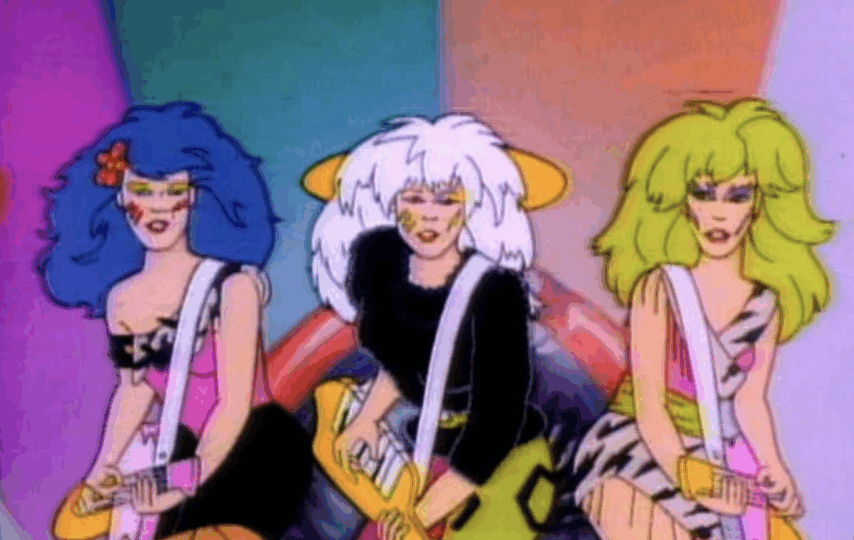
Jem and the Holograms
This animated series, about a music executive who used holographic technology to become the rock star Jem, tackled surprisingly mature themes about identity, fame, and balancing personal authenticity with public personas. The show featured genuinely catchy original music, complex female characters with distinct personalities and motivations, and storylines that addressed social issues ranging from homelessness to drug addiction. The animation quality and fashion design reflected genuine 1980s glamour and style that defined the decade’s aesthetic.
The series explored the pressures of fame and the costs of maintaining dual identities as the protagonist, Jerrica Benton, struggled between her responsibilities of running Starlight Music and the freedom of performing as Jem. The show featured romantic relationships with genuine emotional stakes and complications that went beyond the typical cartoon simplicity. The rival band The Misfits provided antagonists who were genuinely talented, rather than simply evil, creating nuanced conflicts between artistic integrity and commercial success. Adult viewers appreciate the show’s sophisticated treatment of female ambition, creativity, and the music industry’s exploitation of young talent.

Fred Wolf Films
Teenage Mutant Ninja Turtles
Four mutant turtles, trained in ninjutsu by their rat sensei, Splinter, fought crime in New York City while eating pizza and cracking jokes, creating unlikely heroes who combined martial arts action with genuine humor. The show balanced exciting fight sequences with character-driven comedy and surprisingly touching moments about family and belonging. The distinct personalities of Leonardo, Raphael, Donatello, and Michelangelo allowed children to identify with different temperaments and leadership styles.
The series explored themes about found family, with the turtles and Splinter creating bonds not through biology but through choice and mutual support. The show addressed environmentalism through villains like Krang and Shredder, whose schemes often threatened ecological systems. The combination of Eastern martial arts philosophy with Western pop culture created a unique blend that introduced many children to concepts like honor, discipline, and meditation. Adult viewers recognize how the show balanced action entertainment with genuine character development and moral instruction about teamwork and responsibility.

Jim Henson Productions
Muppet Babies
The baby versions of Muppet Show characters used their imaginations to transform their nursery into fantastic adventures, celebrating creativity and problem-solving through make-believe. The show incorporated clips from classic films and television shows, allowing the babies to imagine themselves in various scenarios and introducing them to cultural touchstones. The emphasis on imagination as a tool for understanding the world and processing emotions provided valuable lessons about its importance.
The show treated childhood imagination seriously rather than dismissively, validating how children use fantasy to make sense of reality. The diverse baby characters each brought different perspectives and strengths to their adventures, promoting appreciation for different personality types. The Nanny character, who appeared only from the waist down, created mystery while representing patient adult guidance. Adult viewers recognize how the show encouraged creative thinking and collaborative play, which feel increasingly important as screen time replaces imaginative play.

Image Credit: DepositPhotos.
Conclusion
These cartoons managed to be both entertaining and meaningful. They did not talk down to their audience by embedding genuine themes within accessible stories that children could enjoy without needing to grasp every layer of meaning. The writers and animators often brought genuine craft and care to productions that could have been purely mercenary toy commercials. The balance between entertainment and education, between commercial imperatives and artistic ambition, created shows that succeeded on multiple levels.
The lessons embedded in these shows remain relevant for today’s children and adults, addressing timeless concerns about friendship, responsibility, courage, and community that transcend their 1980s origins. The values of teamwork, critical thinking, environmental stewardship, and moral courage that these shows promoted deserve to be passed on to new generations. The show’s relative simplicity compared to contemporary animation allows the themes to emerge clearly without overwhelming stylistic complexity.
Which cartoon will you revisit first to recapture that Saturday morning magic and discover what you missed as a child? Explore our other nostalgia and entertainment articles here at MediaFeed to find additional insights into how the culture of past decades has shaped contemporary values and provided touchstones for generational identity.
Related:
- Fun things we could do in the ’80s that today’s kids just can’t
- 10 Classic Animated Christmas TV Specials That’ll Give You All the Hoiday Feels
Like MediaFeed’s content? Be sure to follow us.
This article was syndicated by MediaFeed.org.
AlertMe