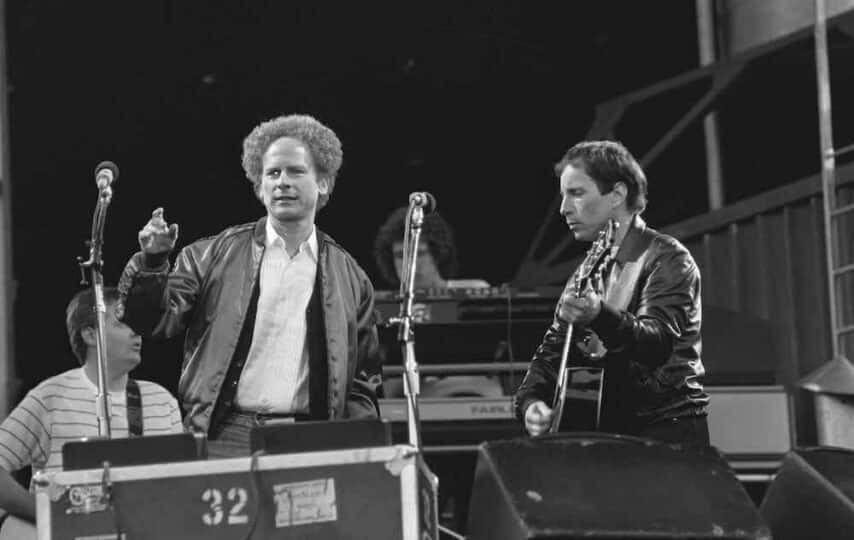

Only real ’70s music fans can get all of these right
The 1970s were musically richer than any single decade gets credit for. Hard rock, soul, disco, funk, and the beginnings of punk all shared the same charts, often in the same week.
This is not a quiz about trivia. It is about whether you were really paying attention. Some answers will be instant. Others might take a moment longer than you expect.
Each song comes with a hint. The answer waits on the next slide.

Image Credit: stockphotodirectors/iStock
Song 1
The recording tapes were nearly transparent from overdubbing. Record labels said it was too long for radio, so a DJ friend played it fourteen times in one weekend and settled the argument for everyone.

Image Credit: Elektra Records / Wikimedia Records
“Bohemian Rhapsody” by Queen (1975)
Freddie Mercury refused to explain the song, saying only that it was about relationships. With a reported 180 vocal overdubs spanning rock, opera, and heavy metal across six minutes, it was rejected by every label before a DJ friend created the demand that pushed it to number 1 in the UK, where it held for nine consecutive weeks.

Image Credit: stockfour/iStock
Song 2
The song runs eight and a half minutes and references a single day in February 1959. For years, he refused to explain what it meant, and by the time he finally acknowledged the interpretation, it had long since passed into mythology.

Image Credit: Amazon.
“American Pie” by Don McLean (1971)
McLean always called the song whatever the listener needed it to be. It references February 3, 1959, the day Buddy Holly, Ritchie Valens, and The Big Bopper died in Iowa, and was the longest song to reach number 1 at the time of its release.

Image Credit: Alessandro Biascioli/iStock
Song 3
The producer wanted to give it to someone else. The musician recorded it himself before that could happen. He wrote it as a statement against superstition, not a celebration of it.
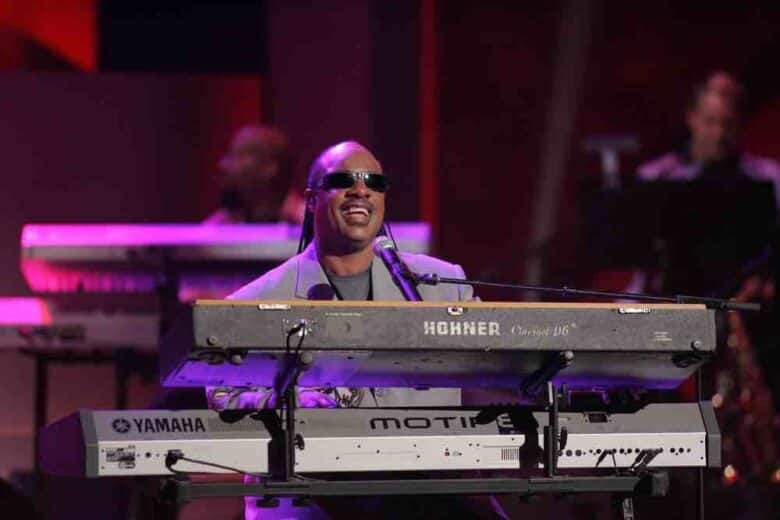
Image Credit: DepositPhotos.com.
“Superstition” by Stevie Wonder (1972)
Wonder started the song on the drum kit before moving to the clavinet to find the riff. Producer Jeff Beck was in the studio and wanted it for his own album; Wonder recorded it first. It reached number 1 on both the Hot 100 and the R&B chart.

Image Credit: Inside Creative House/iStock
Song 4
Written on a studio staircase in France from a magazine article about the disco scene, it was commissioned for a film that did not yet have a title. Their manager wanted to call it “Saturday Night.” They refused.

Image Credit: Bee Gees in 1976 by Caribb/ wikimwdia
“Stayin’ Alive” by the Bee Gees (1977)
The Bee Gees wrote the song in a Paris studio staircase, refused their manager’s demand to call it “Saturday Night,” and topped the Hot 100 for four consecutive weeks. Dancing is never directly mentioned in the lyrics.

Image Credit: Bing Image Creator.
Song 5
They wrote it in one night after being turned away from a party. The original title used a different word. They changed one letter and had the biggest-selling disco single of the era.
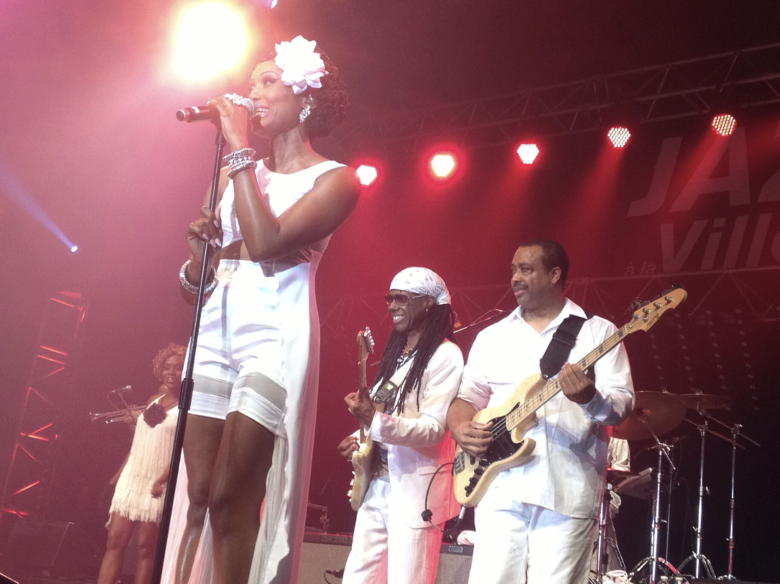
Image Credit: Wikimedia Commons
“Le Freak” by Chic (1978)
Rodgers and Edwards wrote the single after being turned away from Studio 54 on New Year’s Eve 1977, invited by Grace Jones but not on the list. The original title was “Freak Off.” It spent six weeks at number 1, returned for eight more, and became one of Atlantic Records’s best-selling singles ever.

Image credit: DWPhotos / iStock
The bottom line
Five songs, five decades worth of memory. Whether you named everyone without hesitation or stumbled on a couple, the ’70s clearly did not run out of ideas.
Ask us! What questions do you have about content, strategy, pop culture, lifestyle, wellness, history or more? We may use your question in an upcoming article!
Related:
- The most controversial songs of the ’50s: Do you agree?
- The most controversial songs of the ’60s: Do you agree?
Like MediaFeed’s content? Be sure to follow us.
This article was syndicated by MediaFeed.org.
AlertMe