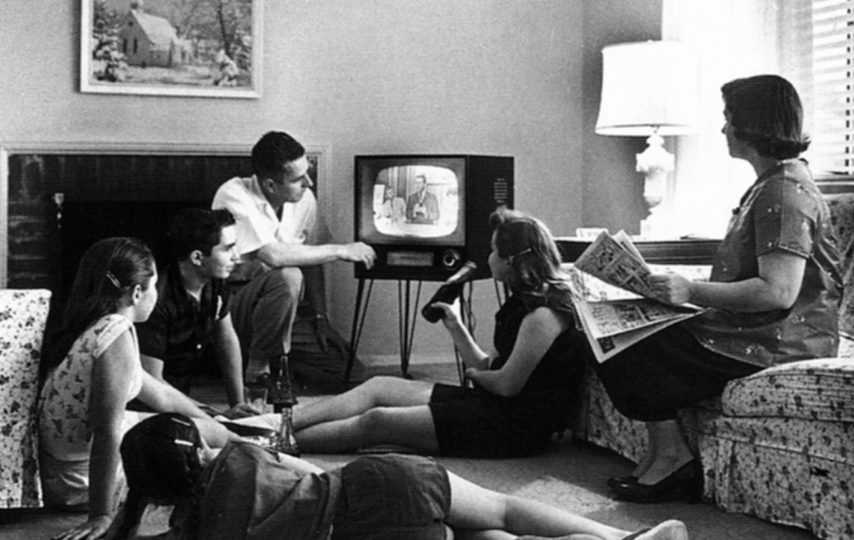

Questionable parenting trends from the year you were born (and earlier)
Looking back at how previous generations raised children reveals truly startling practices. From Victorian-era punishment methods to modern helicopter parenting, each decade brought questionable approaches to child-rearing that seemed perfectly normal at the time.

Wiki Commons
1900s: Victorian hangover
The early 1900s carried forward rigid Victorian discipline that treated children as small adults requiring constant correction. Corporal punishment was standard practice, with caning and beatings considered essential. Showing affection was viewed as spoiling children and building weak character.

Image Credit: Harris & Ewing /Library of Congress
1910s: Industrial childhoods
Child labor peaked with over 2 million American children working in mines and factories instead of attending school. Children as young as five worked 12-hour shifts in dangerous conditions, losing fingers to machinery. Parents considered dangerous work part of toughening kids up for adult life.

Image Credit: Underwood & Underwood/Library of Congress
1920s: The Jazz Age and modern experiments
The Roaring Twenties brought trendy Freudian psychology experiments to parenting practices. Parents discouraged crying and suppressed emotions to prevent neuroses. Over-structured play with prescriptive educational toys replaced free outdoor time.

Image Credit: J. Paul Getty Museum/ Getty.edu
1930s: Great Depression parenting
Economic devastation created extreme frugality measures across American families struggling through economic crisis. Children regularly skipped meals as families struggled financially to put food on the table. Parents taught emotional restraint as essential, training children to suppress complaints and endure hardship.

Image Credit: Camilo J. Vergara/ Library of Congress
1940s: Wartime adjustments
With fathers overseas and mothers in factories, children were largely unsupervised for hours each day during wartime. Latchkey kids as young as six came home to empty houses after school. Rationing created severely nutrient-limited diets.

Image Credit: J. Paul Getty Museum/ Getty.edu
1950s: Cold War parenting
Fear-driven duck and cover drills taught children they could survive nuclear attacks by hiding under desks. Strict corporal punishment remained the norm, with spanking considered essential for respect.

Image Credit: Harris & Ewing /Library of Congress
1960s: Radical experimentation
The counterculture brought questionable innovations to family life. Parents tried swinging cribs and extreme co-sleeping arrangements. Vitamin megadosing became popular despite lacking scientific evidence.

Image Credit: Drazen Zigic/iStock
1970s: Free-range turns weird
Parents took minimal supervision to extremes, letting young children roam neighborhoods unsupervised for hours. Unstructured diets meant kids ate whatever and whenever they wanted.

Image Credit: jacoblund / iStock.
1980s: Safety versus overprotection
Parents began bubble-wrapping everything, padding furniture corners, and restricting active play. Television became the primary babysitter, with kids parked in front of screens for hours.

Image Credit: Andrii Shablovskyi / iStock.
1990s: Health and hygiene obsession
Over-sanitization became standard, with parents keeping children in almost sterile environments. Allergen panic led to extreme avoidance of peanuts and other foods without medical necessity.
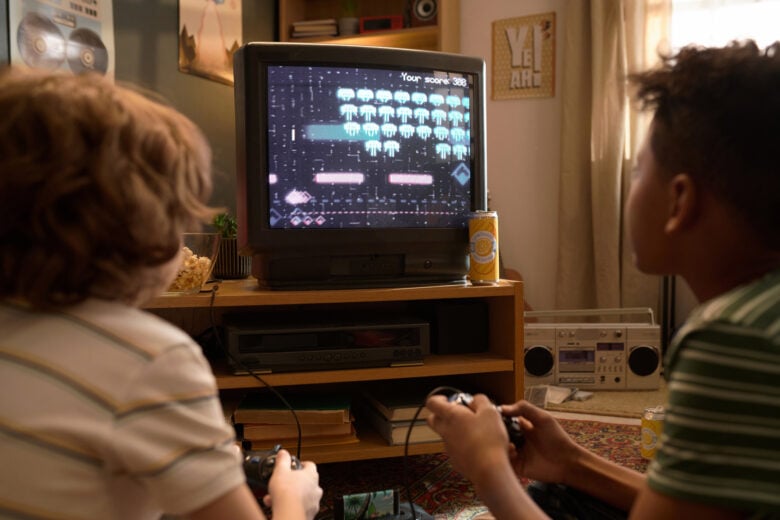
Image Credit:Pressmaster/Istock
2000s: Tech-heavy parenting
Screens became primary babysitters, with tablets and computers replacing human interaction. Helicopter parenting began in earnest, with parents hovering over every activity constantly.

Image Credit: iStock.
2010s: Over-scheduling and over-optimization
Hyper-parenting meant structured playdates and scheduled learning activities with minimal free time. Social media oversharing became normal, with parents posting children’s entire lives online before kids could consent.

Image Credit: Umi Di / iStock.
Wrap up
Each generation believed its parenting methods were clear improvements, yet every era had questionable practices. Understanding these historical trends helps modern parents avoid repeating past mistakes.
Related:
- The ’60s parenting practices we now know were terrible for the kids’ brains
- The healthiest parenting choices classic Hollywood stars made
Like MediaFeed’s content? Be sure to follow us.
This article was syndicated by MediaFeed.org.
AlertMe