
Rare muscle cars that almost no one has seen on the road
These beasts once ruled American streets, but today spotting one feels like finding a unicorn on asphalt. The 1971 Plymouth Hemi ‘Cuda Convertible represents automotive mythology most enthusiasts will never witness. These rare machines combined raw power with limited production, creating collectibles worth millions.
Limited production created initial scarcity, with special editions built in hundreds. Poor survival rates due to rust and accidents decimated the numbers. Regional exclusivity and collector hoarding removed survivors from view.

Wiki Commons
1969 Dodge Charger Daytona
The Charger Daytona wore an aerodynamic nose and towering wing that dominated NASCAR until banned. Only 503 existed, with 70 packing Hemi engines now worth millions.

Wiki Commons
1970 Plymouth Superbird
The Superbird answered with similar styling, built in roughly 1,935 units. Today, they command seven-figure prices representing American racing heritage.

wiki commons
1968 AMC AMX
The AMX offered two-seat sports car credentials with big-block power. American Motors built fewer than 7,000 first-year models from this unlikely source.

Wiki Commons
1971 Buick GSX Stage 1
The GSX Stage 1 packed massive torque from its 455 engine. Only 124 appeared in Apollo White or Saturn Yellow with bold graphics.

wiki commons
Jensen Interceptor
This British-American hybrid featured Chrysler V8 power in elegant Italian styling. US imports remained rare throughout production runs.

wiki commons
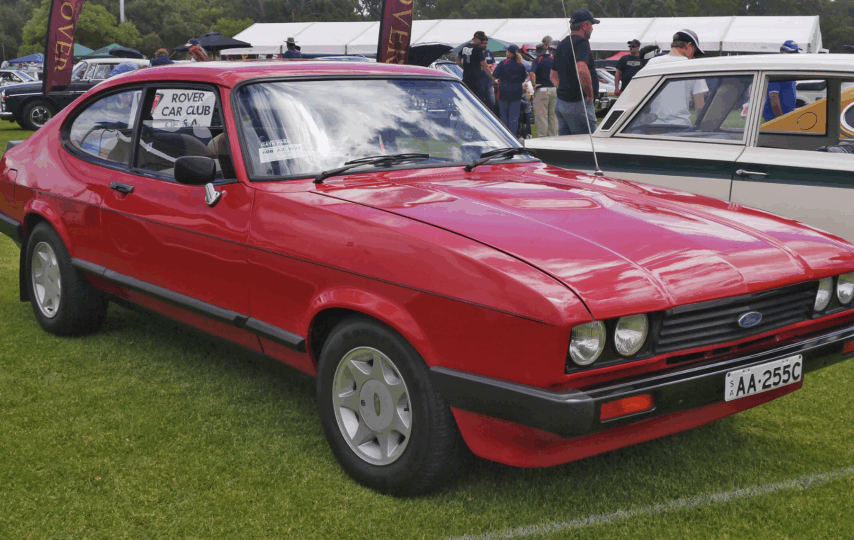
Ford Capri RS3100
The RS3100 brought European handling with limited US availability, making American examples exceptionally scarce today.

wiki commons
Plymouth Hemi Cuda prototype
Prototype Hemi Cudas tested extreme specifications never approved for production. Only a handful existed, often never street-legal.

wiki commons
Ford Mustang Boss 429 pre-production
Pre-production Boss 429 models featured experimental components before final specifications. Few survived beyond the testing phases.

welcomia / iStock
What makes them collectible
Racing pedigree and unique performance specifications elevate values. Design quirks that seemed outrageous now appear visionary.
Classic car auctions occasionally feature authenticated rarities. Private collections house most survivors. Street sightings remain extraordinarily rare.
Celebrity-owned cars, such as those owned by Steve McQueen or Paul Newman, fetch premiums. Urban legends persist about barn finds.

Image Credit: iStock/different_Brian.
Final thoughts
These rare muscle cars represent rolling automotive history. Even without personal sightings, knowing these machines exist keeps the spirit of the 1960s and 1970s performance alive.
Related:
Like MediaFeed’s content? Be sure to follow us.
This article was syndicated by MediaFeed.org.
AlertMe