What Are the Best Supplements for Bloating and Weight Loss?
Your gut is home to more than 100 trillion microorganisms (collectively known as the microbiome) that play a vital role in digestion, metabolism, and even weight management.
When your gut is in balance, these microbes help break down food, support nutrient absorption, and keep things running smoothly. But when it’s out of balance, it can affect everything from digestion to the immune system and the ability to maintain a healthy weight.
The good news: Adding certain dietary supplements to your nutrition routine may help. So, what are the best supplements for bloating and weight loss?
Your healthcare provider can help you figure out what might be most beneficial for your personal needs. But this guide discusses some of the best supplements for gut health and weight loss.
This article was reviewed by Craig Primack, MD, FACP, FAAP, FOMA.

Image Credit: Fabio Camandona/istockphoto.
Why Does Gut Health Matter?
You’ve probably heard the term gut health before and that it’s a critical part of overall health and well-being. But what is gut health, and why is it so important?
Gut health is the balance and diversity of microbes in the digestive system. Research suggests gut health covers the health of the entire microbiome (all the organisms that live in the human body), along with the digestive and immune systems.
Poor health of the digestive tract has been linked to several health issues, including:
- Obesity
- Type 2 diabetes
- Inflammatory bowel disease
- Certain types of cancer
Research also shows a strong connection between gut health and the brain, known as the gut-brain axis. An imbalanced microbiome may influence stress levels and the risk of anxiety or depression.
Since the gut influences nutrient absorption, an unhealthy microbiome can impact everything from digestion and energy levels to mood and immunity.
Turns out, listening to your gut doesn’t just mean your intuition — your gut health could be an indicator of your physical health, too.

Image Credit: settaphan/istockphoto.
Best Supplements for Gut Health and Weight Loss
How do you get your gut health on the right track? It’s not about the latest “detox“ drink or fad diet.
One way is to take over-the-counter supplements that may improve gut health by supporting the trillions of microorganisms (called microbes) living in your gut.
These are six of the best supplements for bloating and weight loss by way of targeting gut microbiome balance:
- Probiotics
- Prebiotics
- Apple cider vinegar
- Vitamin C
- Vitamin D
- Ginger
These aren’t quick-fix weight loss supplements. However, certain gut-friendly options may help support healthy digestion and metabolism, which can contribute to long-term weight management.

Image Credit: Serene SBS / iStock.
1. Probiotics
A healthy gut has a balanced variety of probiotics. These live microorganisms change the composition of the gut and help maintain a healthy balance of bacteria.
Probiotics are found naturally in fermented foods like yogurt, sauerkraut, kefir, and kombucha. Fermentation not only preserves foods but also produces beneficial bacteria that can support your gut microbiome.
Studies suggest that those who regularly take a synbiotic supplement (a combination of probiotics and prebiotics) can significantly reduce body weight when combined with lifestyle changes like a balanced diet and regular exercise.

Image Credit: gorodenkoff/istockphoto.
2. Prebiotics
Prebiotics are non-digestible fibers found in foods like fruits, vegetables, whole grains, and other carbohydrates. They fuel probiotic bacteria and support their growth in the gut.
To understand the difference between probiotics and prebiotics, think of probiotics as the supplement that adds beneficial bacteria to the gut, while prebiotics feed gut bacteria.
More specifically, prebiotics travel undigested through the small intestine, where they reach the colon to feed beneficial bacteria and help them thrive.
Note that results from fiber supplements can vary by prebiotic and probiotic strain, and not all supplements are created equal.
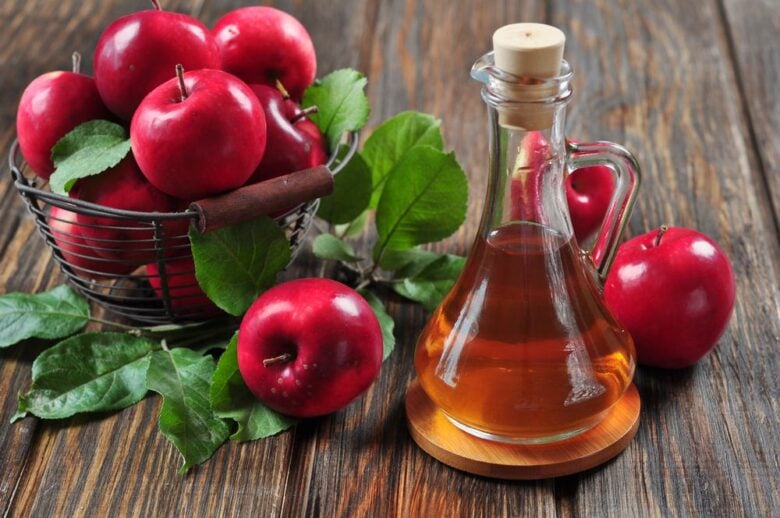
Image Credit: Deposit Photos.
3. Apple Cider Vinegar
Made from the fermented juice of apples, apple cider vinegar (or ACV for short) contains beneficial organisms and digestive enzymes like acetic acid bacteria, polyphenolic compounds, and lactic acid bacteria.
Petri dish studies suggest that apple cider vinegar kills certain microbes, potentially creating beneficial gut microbiome changes.
Apple cider vinegar may also support weight loss. Several small, short-term studies in adults with excess weight or obesity found links between ACV and weight loss.
Although many people report digestive health improvements from apple cider vinegar, human research is limited. We need more high-quality studies to fully substantiate the potential health benefits of ACV.

Image Credit: Pilipphoto / iStock.
4. Vitamin C
Well-known for supporting immunity, vitamin C may also increase beneficial bacteria in the gut.
One small 2021 study showed that taking 1,000 milligrams (mg) of vitamin C daily resulted in beneficial shifts in bacterial strain diversity.
Another small study found that vitamin C supplementation increased one particular strain of bacteria (Bifidobacterium), which has positive health benefits.
So, the benefits of vitamin C for gut health are promising but preliminary.
Vitamin C is found naturally in citrus fruits like oranges or cruciferous veggies like broccoli. You can take a daily vitamin C supplement or a multivitamin that contains vitamin C.

Image Credit: Helin Loik-Tomson / iStock.
5. Vitamin D
Vitamin D is essential for strong immunity and maintaining healthy bones and teeth. And it may positively impact gut health.
A review from 2020 indicates that vitamin D may have anti-inflammatory properties in the digestive tract and help balance in the gastrointestinal wall. It’s worth noting, however, that this was a mix of human and animal studies.
An increase in vitamin D may also help with weight management, as this vitamin helps calcium absorption and may aid weight loss.
While more research is needed on whether vitamin D helps gut health, vitamin D deficiencies are fairly common. Besides supplements, good sources of vitamin D include fatty fish like salmon and tuna, egg yolks, and mushrooms.

Image Credit: Aekprachaya Ayuyuen/Istockphoto.
6. Ginger
Although it’s most known for its anti-inflammatory and antioxidant properties, ginger root might also help improve digestion and gut health.
In a 2021 study, fresh ginger juice may have positively impacted gut microbiota in 123 healthy men and women over two weeks. At the end of the study, those who had ginger juice had greater bacterial diversity in their gut microbiomes compared to those who took a placebo.
Most studies on ginger and the microbiome appear to be fairly small and short-term, so their results may not apply to everyone.

Image Credit: DepositPhotos.com.
Signs of an Unhealthy Gut
How do you know if you have an unhealthy gut? While symptoms can vary between people, signs and side effects of an unhealthy gut may include:
- Abdominal pain
- Bloating
- Irregular bowel movements
- Constipation or gas
- Diarrhea
- Disrupted sleep
- Weight gain or weight loss
- Skin irritation
- Increased stress
Many people turn to gut health supplements for their potential anti-bloat benefits since balancing the microbiome may reduce gas and discomfort.

Image Credit: Palina Charnova/ istockphoto.
How to Help Gut Health
Not only can improving your gut health help relieve discomfort or irregularity you may be experiencing, but a healthy gut may also help support weight loss efforts and reduce the risk of chronic health conditions.
Supplements like probiotics and apple cider vinegar are one way to boost gut health, but consuming a healthy diet will have a large impact on balancing the gut microbiome.
Eating habits that prioritize complex carbohydrates like whole grains, plant proteins, fruits and vegetables, and nutrients like omega-3 fatty acids (found in fatty fish and olive oil) appear to support gut health.
On the flip side, eating large amounts of saturated fat, sugar, salt, and meat seems to benefit harmful bacteria, potentially harming the intestinal barrier.
The Mediterranean diet — an eating plan that focuses on fruits, vegetables, seafood, whole grains, extra virgin olive oil, nuts, and seeds — has been found to be particularly effective at improving gut health. It also supports sustainable weight management.
Regular movement helps with weight loss, and it may also lead to better gut health.
In a small, randomized controlled trial, regular cardiovascular exercise appeared to improve the gut bacteria of 24 men without obesity. This study also showed a connection between a healthy body mass index (BMI) and gut microbiome diversity.

Image Credit: IPGGutenbergUKLtd/Istockphoto.
Better Understanding Gut Health
The term gut health is all over the place. But what does having a healthy gut mean, and how can you get one? Also, what does gut health have to do with weight? Here’s what to remember:
- The health of the gut is connected to overall health and wellness, impacting the immune and digestive systems, mood, and even weight management.
- What are the best supplements for bloating and weight loss? Certain supplements like probiotics, prebiotics, apple cider vinegar, ginger, and vitamins C and D may benefit the healthy bacteria in the gut and improve gut health.
- While more research is needed on the effects of supplements on gut health, eating a balanced diet full of fruits, vegetables, lean protein, and whole grains — and getting regular movement — will not only support beneficial gut bacteria but also lead to a healthy weight.
- Gut supplements aren’t magic pills for weight loss, but they can support a broader health plan.
- Improving gut health is just one part of weight management. Depending on your health and goals, weight loss medications like Ozempic®, Wegovy®, and metformin may be part of your journey.
If you have more questions about weight loss, talk to a registered dietitian or other trusted healthcare provider about a weight management plan today.
- Related: How Many Pounds Can You Lose in a Month?
- Related: Weight Loss Tips for Men: 12 Steps for Fitness Success
Like MediaFeed’s content? Be sure to follow us.
This article originally appeared on Hims.com and was syndicated by MediaFeed.org.
AlertMe