Once a status symbol, now worthless junk
A nostalgic look back at the decade of excess, the 1980s, reveals a time when conspicuous consumption reached new heights. Technology promised to revolutionize daily life through expensive gadgets that quickly became essential status markers. The era celebrated materialism openly, with advertisements promising that purchasing the right products would signal success, sophistication, and membership in an aspirational lifestyle. The combination of economic prosperity for many, rapid technological change, and evolving fashion created a unique consumer culture where the newest and most expensive items demonstrated social status.
These objects once served as the ultimate symbols of wealth, success, and high-tech sophistication. Yet, today, they sit in basements and attics as obsolete relics holding little to no monetary or practical value. The paradox of items that cost thousands of dollars and represent the pinnacle of innovation, yet become literal junk within a generation, illustrates how quickly technological and cultural shifts can render yesterday’s treasures worthless. Understanding what happened to these status symbols provides insight into how we evaluate contemporary luxury goods and technology that may follow similar trajectories.

Volis61 / iStock
LaserDisc players
The LaserDisc player represented the high-end alternative to VHS during the 1980s, offering superior video quality, clearer audio, and special features that videotape couldn’t match. The technology attracted videophiles willing to pay premium prices for better picture quality, as well as film enthusiasts who appreciated the large album-sized artwork and director commentaries. The players themselves cost several hundred to over a thousand dollars, while individual movie discs ran $30 to $50 each, making collections expensive investments.
The format never achieved mass-market success due to high costs, inability to record, and the discs’ massive size, which made them impractical compared to VHS tapes. The technology is now completely obsolete, with the monumentally heavy players becoming unplayable relics as the discs deteriorate, and no modern equipment supports the format. The few remaining LaserDisc collections hold minimal value except for rare titles that never received digital releases, making thousands of dollars in purchases worth perhaps tens of dollars today.

Aliaksandr Litviniuk / iStock
Betamax VCRs
Sony’s Betamax format offered technically superior video quality to VHS, with better resolution and color reproduction that made it the choice of video professionals and quality-conscious consumers. The machines cost significantly more than VHS players, positioning them as premium products for those who valued performance over affordability. Early adopters invested heavily in both the equipment and tape libraries, confident that superior technology would prevail in the market.
The format famously lost the videotape war to VHS despite its technical advantages, doomed by shorter recording times, higher costs, and VHS’s better licensing strategy that flooded the market with more movie titles and blank tapes. Betamax machines are now worthless pieces of junk with unplayable tapes gathering dust in closets, as finding working equipment to play old recordings has become nearly impossible. The format’s failure became a business school case study about how technical superiority doesn’t guarantee market success, while the expensive investments owners made became total losses.

Wiki Commons
Rear-projection televisions
The massive rear-projection television dominated living rooms during the late 1980s and 1990s as the only way to achieve large-screen viewing before flat-panel technology matured. These behemoths weighed hundreds of pounds, required multiple people to move, and cost several thousand dollars while delivering picture quality that seemed impressive compared to small tube TVs but was actually quite blurry by modern standards. Owning one signaled that you could afford the premium for big-screen entertainment and had the living room space to accommodate the massive cabinet.
The sets required expensive bulb replacements every few thousand hours, with replacement bulbs costing $200-$400, creating ongoing maintenance expenses beyond the initial purchase price. The technology became completely obsolete once flat-panel LCD and plasma TVs offered superior picture quality in thinner, lighter packages at falling prices. The old rear-projection sets became literally immovable objects that owners couldn’t give away and had to pay to have hauled to recycling centers, turning expensive status symbols into disposal liabilities.

Wiki Commons
Car phones
The hardwired car phone represented the ultimate 1980s symbol of the on-the-go executive who was so important they needed constant communication even while driving. Installation costs exceeded $3,000 before monthly service fees that ran hundreds of dollars for limited minutes, making car phones exclusive accessories for wealthy professionals and those wanting to project success. The bulky handsets mounted between seats connected to equipment in the trunk and external antennas, creating a permanent installation that announced the owner’s status.
The technology was rendered completely obsolete within a decade by portable cellular phones that offered greater convenience at falling prices without requiring vehicle modification. The car phone installations became worthless immediately, with the equipment literally trash that had to be removed from vehicles. The brief window during which car phones signaled status demonstrates how quickly communication technology evolved and how expensive purchases can lose all value almost overnight.

Dmitriy83 / iStock
Pagers
Pagers, commonly called “beepers,” became status symbols during the 1980s, indicating importance and constant availability for urgent communication. Professionals, from doctors to business executives, wore pagers on their belts, signaling their indispensability and membership in an elite group that needed to be reachable instantly. The devices cost monthly service fees and required finding phones to return calls, yet this inconvenience somehow enhanced rather than diminished their status value.
The technology was largely replaced by text messaging and modern smartphones, which provide instant two-way communication without requiring callbacks. Pagers, which had been essential professional tools, became obsolete within a few years as cell phone adoption accelerated during the 1990s. The devices now appear in museums as artifacts of communication history, with their brief reign as status symbols seeming almost quaint to generations who never experienced the limitations of pre-smartphone communication.

Wiki Commons
Early home computers
Early home computers, such as the IBM PC, represented costly machines that cost several thousand dollars, offering a fraction of the computing power found in modern calculators or even basic smartphones. The machines primarily served for basic word processing, simple spreadsheets, and primitive games, yet owning one signaled technological sophistication and professional ambition. The purchase required a significant financial commitment and the willingness to learn arcane commands and deal with constant technical problems.
The rapid pace of computer advancement rendered these early machines obsolete within a few years, with each subsequent generation offering dramatically improved performance at lower prices. The old computers became worthless junk that couldn’t run modern software and had only nostalgic or collectible value for vintage computing enthusiasts. The thousands spent on 1980s computers bought machines less powerful than contemporary fitness trackers, demonstrating the extraordinary pace of technological advancement that continues making recent purchases obsolete.

AGCreativeLab / iStock
Oversized designer logos
Flashy, all-over branding on clothing from brands like Gucci and Louis Vuitton defined 1980s fashion, with conspicuous logos serving as the point of wearing designer items rather than subtle quality or design. The more obvious the branding, the better it served the purpose of announcing the wearer’s ability to afford luxury goods. Entire outfits covered in repeating logo patterns cost hundreds or thousands of dollars, with the logo itself providing the value rather than craftsmanship or materials.
The aesthetic has given way to more subtle luxury as fashion evolved toward understated elegance and as counterfeit proliferation made prominent logos seem gauche rather than sophisticated. Original 1980s logo-heavy designer pieces have minimal resale value despite their original high prices, as contemporary fashion sensibilities reject the overt branding that once defined status. The shift demonstrates how cultural tastes can render expensive fashion purchases worthless when styles change, and what once signaled wealth becomes associated with tackiness.

Jacob Wackerhausen / iStock
High-end fur coats
Fur coats represented the ultimate symbol of wealth and elegance during the 1980s, with full-length mink or fox coats costing tens of thousands of dollars and signaling serious affluence. Owning furs meant having both the money to purchase them and the lifestyle that justified wearing such expensive, formal outerwear. The coats appeared in aspirational media from “Dynasty” to “Lifestyles of the Rich and Famous,” cementing their status as ultimate luxury items.
Ethical and environmental concerns about fur farming and trapping have made fur coats largely undesirable to contemporary consumers, with many people now viewing them as morally problematic rather than luxurious. The resale value of vintage fur coats has plummeted, with coats that cost $20,000 or more now selling for a few hundred dollars or being donated to theaters for costume departments. The dramatic value collapse demonstrates how ethical considerations can transform luxury goods into embarrassing relics that owners want to hide rather than display.

glebchik / iStock
Massive shoulder pads
The exaggerated shoulder pads that defined 1980s power suits represented deliberate fashion choices designed to project authority and presence through broadened silhouettes. The padded shoulders in suits, dresses, and even casual wear cost extra as designer touches that supposedly enhanced the wearer’s commanding presence. The trend affected both men’s and women’s fashion, though women’s shoulder pads reached particularly extreme proportions as part of dressing for corporate success.
The look has become a caricature of 1980s excess, with the massive shoulder pads now seeming comical rather than powerful or sophisticated. Vintage 1980s designer suits with huge shoulder pads have minimal value despite their original high prices and quality construction, as the styling makes them unwearable for contemporary purposes. The padding can sometimes be removed to salvage the garments, but this requires tailoring work that often exceeds the clothes’ value, leaving them as costume pieces rather than fashion items.

anela / iStock
Waterbeds
Luxury waterbed suites complete with custom frames, integrated mirrors, lights, and elaborate headboards represented the ultimate in 1980s bedroom decadence and cost thousands of dollars to purchase and install. The beds supposedly offered superior comfort and romantic appeal that justified their expense and the hassle of filling them with hundreds of gallons of water. Owning a waterbed signified both affluence and a particular lifestyle, with the beds often featured in bachelor pads and aspirational home design magazines.
The beds became expensive to remove, impractical, and potentially unsanitary messes as the waterbed fad ended and homeowners realized the maintenance problems and potential water damage risks. Removing waterbeds requires draining and disposing of the massive vinyl mattresses, with the custom frames often too dated to repurpose and too bulky to move easily. The elaborate bedroom suites that once cost thousands became liabilities, decreasing home values when sellers tried to market properties, forcing expensive removal before listings.

Image Credit: tortoon / istockphoto.
Boomboxes
The massive boombox, known as a “ghetto blaster,” served as a statement piece for mobile music during the 1980s, with the largest models featuring dual cassette decks, graphic equalizers, and speakers powerful enough to share music with entire parks or beaches. The top-end models cost several hundred dollars and required multiple D batteries that drained quickly at high volumes. Carrying a large boombox demonstrated both musical taste and the means to afford quality portable audio.
The technology was entirely replaced by smaller, more powerful, and lighter Bluetooth speakers that offer better sound quality in packages a fraction of the size without requiring cassette tapes or batteries. The old boomboxes became worthless junk that couldn’t play modern digital music and whose cassette mechanisms no longer worked reliably. The few boomboxes with value today are vintage models sought by collectors or hip-hop historians, representing a tiny fraction of the millions produced and sold.
Wiki Commons
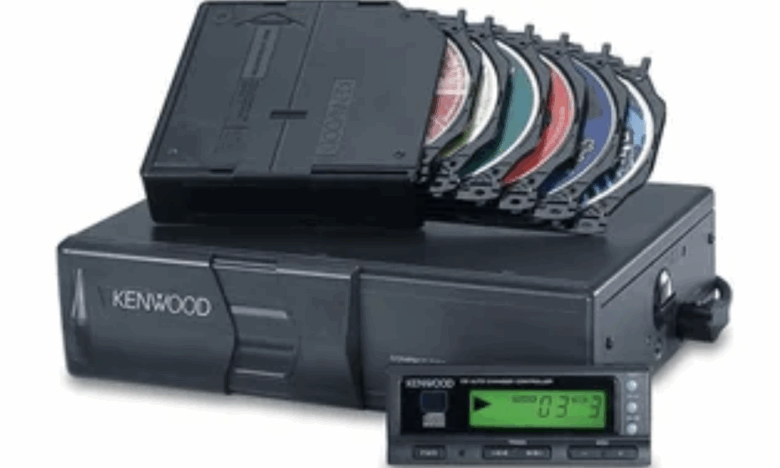
CD and DVD collections
Physical media collections, including CDs and DVDs, were once a point of pride that demonstrated musical and cinematic taste, while also representing significant financial investments. Building comprehensive collections costs thousands of dollars, with dedicated fans displaying their collections prominently as symbols of cultural sophistication. The shift from vinyl to CD during the 1980s prompted many music lovers to repurchase entire record collections in the new digital format at premium prices.
Streaming services have made physical media collections nearly worthless by providing instant access to vastly more content than anyone could afford to purchase. The collections that cost thousands to assemble now sell for pennies on the dollar at used media stores or cannot be given away, as few people want physical media that requires storage space and playback equipment. The rapid transition from physical to digital distribution left collectors with garages full of obsolete discs whose only remaining use is as coasters or craft projects.

EyeEm Mobile GmbH / iStock
Giant satellite dishes
The massive C-band satellite dishes that appeared in suburban yards during the 1980s cost thousands of dollars to purchase and install, while requiring expensive receivers and descrambling equipment for premium channels. The ten-foot or larger dishes represented cutting-edge television technology that provided access to hundreds of channels before cable television became widely available in many areas. Owning one signaled both technical sophistication and the financial means to invest in premium home entertainment.
The dishes became obsolete with the arrival of small-dish satellite services, such as DirecTV and DISH Network, which offered more channels, better picture quality, and far less intrusive equipment. The massive old dishes became rusty, non-functional pieces of yard debris that owners couldn’t sell and had to pay to have removed and disposed of properly. The combination of obsolete technology, physical deterioration, and changing service standards transformed expensive installations into eyesores, thereby decreasing property values.

Jun / iStock
Conclusion
The categories of obsolete status symbols spanning technology, fashion, and home luxuries demonstrate how quickly consumer desire and practical value can evaporate when new alternatives emerge or cultural tastes shift. The expensive purchases that once signaled success became worthless junk within a generation, with some items becoming liabilities rather than assets as disposal costs exceeded any remaining value. The pattern appears across different product categories, from entertainment technology to designer fashion to elaborate home features, all of which followed similar trajectories from coveted to worthless.
The cyclical nature of trends and the rapid pace of technological advancement ensure that today’s status symbols will likely face similar fates as cultural and technological shifts render them obsolete. The iPhone that costs over $1,000 today will be worthless in a decade, the designer handbag will go out of style, and better alternatives will replace the home technology. The true value of a status symbol lies not in its permanence but in its fleeting moment of cultural influence when it successfully signals the owner’s desired social position. Which contemporary status symbols do you think will become tomorrow’s worthless junk? Check out our other consumer culture articles here at MediaFeed to discover additional insights into how products gain and lose value as technology and tastes evolve.
Related:
- ’70s trends we thought were hot (but were totally not)
- Boomers, rejoice: These 9 trends from the ’50s are back
Like MediaFeed’s content? Be sure to follow us.
This article was syndicated by MediaFeed.org.
AlertMe