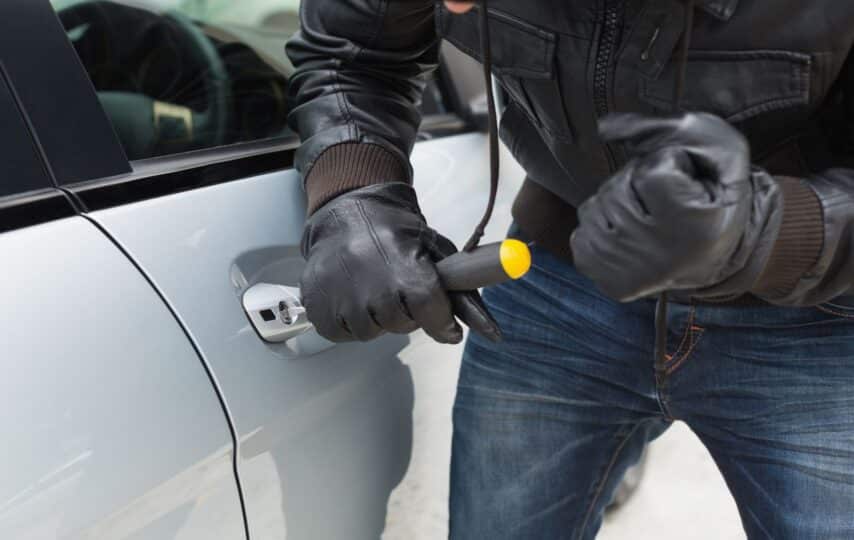

Stop thieves in their tracks: Essential tips to protect your vehicle
While national vehicle theft numbers are down 23% in the first half of 2025 compared to the same period in 2024, according to the National Insurance Crime Bureau (NICB), individual risk remains high, especially for owners of commonly targeted vehicles. The most frequently stolen vehicles include the Hyundai Elantra (11,329 thefts), Hyundai Sonata (9,154 thefts), Honda Accord (8,531 thefts), the Chevrolet Silverado 1500 (8,006 thefts), and Honda Civic (6,396 thefts), demonstrating that certain models face disproportionate risk regardless of broader statistical trends. Popular pickups like the Ford F-150 and vehicles from Kia also remain prime targets for thieves who know these models’ vulnerabilities or resale value. A simple, multi-layered approach to vehicle security is the best defense against becoming a victim, combining basic security habits with additional deterrents and technology that make your vehicle a less attractive target than others nearby.
The fundamentals of vehicle security
Always lock doors and windows, and never leave keys, fobs, or spare keys inside the vehicle, as these basic steps eliminate the easiest theft opportunities. According to NICB recommendations, some criminals walk through parking lots testing handles to choose which vehicles to target, so locking your car before you leave it is essential. Roll up your windows to limit points of access, making sure windows are completely closed before exiting your vehicle. Never leave your vehicle running while unattended, even for quick stops, as an empty vehicle with the engine running is practically an invitation to opportunistic criminals. Always take your keys with you, even if you’re picking up a quick coffee or running back inside your house for something, because it only takes moments for thieves to jump in and drive off with your car.
Smart parking strategies
Choose well-lit, visible parking spots with high foot traffic, as increased visibility deters thieves who prefer to operate undetected. The NICB advises parking in well-lit parking lots or spots near streetlights where your vehicle remains visible to passersby and security cameras. Avoid parking in isolated areas, dark corners of parking structures, or secluded street locations where thieves can work without observation. When parking at home, use a garage whenever possible, as vehicles parked inside garages face significantly lower theft risk than those left on streets or driveways. If garage parking isn’t available, consider parking in your driveway rather than on the street, and position your vehicle to maximize visibility from your home and neighbors’ windows.
Layered anti-theft devices
Visible anti-theft devices like steering wheel locks serve as both physical barriers and visual deterrents that make thieves choose easier targets. The NICB recommends using anti-theft technology, including steering wheel locks, audible alarms, kill switches, or aftermarket GPS tracking devices that deter thieves from targeting your car. Steering wheel locks are particularly effective because they’re immediately visible to anyone looking at your vehicle, signaling that theft will require additional time and effort, which increases the risk of being caught. Install audible alarms that activate when someone attempts unauthorized entry, as the noise attracts attention and typically causes thieves to abandon the attempt. Consider kill switches that prevent the engine from starting even if a thief gains entry, creating another layer of protection beyond locks and alarms.
GPS tracking and recovery systems
Highlight the value of GPS tracking and recovery systems for high-value or high-risk vehicles, as these technologies don’t prevent theft but dramatically increase recovery chances. Aftermarket GPS tracking devices like AirTags or dedicated vehicle trackers allow owners and law enforcement to locate stolen vehicles quickly, often before thieves can strip them for parts or transport them out of the area. According to NICB data, these items ultimately make vehicles easier to find if thieves do take them, potentially recovering your vehicle before significant damage occurs. For owners of frequently targeted models like Hyundai, Kia, Honda, or popular pickup trucks, GPS tracking provides peace of mind and practical recovery options that justify the modest investment.
Protecting valuables and personal data
Avoid leaving electronics, bags, wallets, or documents in plain sight, as these items can invite break-ins or theft even if thieves don’t intend to steal the entire vehicle. Visible valuables signal that breaking a window might yield quick rewards, and the resulting damage and stolen items can cost hundreds or thousands of dollars even if the vehicle itself isn’t taken. Remove all items from view or lock them in the trunk before arriving at your destination, as thieves often watch parking areas for people leaving valuables visible. The danger of stolen vehicle registration or personal information extends beyond the immediate theft, potentially enabling identity theft, fraud, or future crimes committed using your information. Keep registration and insurance documents secure but accessible, and never leave credit cards, checkbooks, or documents containing Social Security numbers or other sensitive data in your vehicle.
Conclusion
Simple steps, consistently applied, dramatically decrease the likelihood of becoming a victim of vehicle theft, even if you own one of the commonly targeted models that thieves prefer. The NICB reports that collaborative efforts by law enforcement, automakers, insurers, and organizations are making progress, but individual vehicle owners must take responsibility for implementing basic security measures. Implement at least one anti-theft device today, whether a steering wheel lock, GPS tracker, or alarm system, and commit to fundamental habits like always locking doors and never leaving keys inside. Proactivity is key to protecting your vehicle and avoiding the frustration, expense, and violation that comes with vehicle theft.
Related:
Like MediaFeed’s content? Be sure to follow us.
This article was syndicated by MediaFeed.org.
AlertMe