
The fading smoke: Health awareness in 1980s television
The depiction of casual, consequence-free smoking and general disregard for public health in 1980s television reflects a societal delay in adopting modern health standards, treating long-term risks as background noise rather than immediate threats. Smoking appeared everywhere in 80s TV, for example, in restaurants, airplanes, offices, and even doctors’ waiting rooms, showing profound disregard for public health and secondhand smoke that would be unthinkable today. The normalization of tobacco use in entertainment media both reflected and reinforced a culture where health consequences were dismissed as distant concerns rather than urgent realities.
The workplace as a smoking zone
Senior partners and rival lawyers in L.A. Law habitually used cigarettes or cigars as props to project stress or authority, regardless of the office environment or the health of coworkers forced to breathe secondhand smoke. The executive and professional classes were depicted smoking in their offices as a symbol of power and sophistication rather than addiction and poor judgment. The irony in the medical setting reached its peak in St. Elsewhere, where doctors and hospital personnel took smoke breaks in designated or sometimes non-designated lounges, directly contradicting the show’s medical setting and the healthcare profession’s understanding of tobacco’s dangers. These depictions suggested that even medical professionals considered smoking a personal choice rather than a public health crisis.
Social life and constant exposure
Cheers normalized the background smoke cloud for every patron through the presence of ashtrays and the implicit environment of a busy Boston bar, even though few main characters smoked consistently. The third-place setting of bars and restaurants treated smoking as an invisible norm in public gathering spots where non-smokers had no choice but to inhale toxic fumes. Miami Vice frequently featured secondary characters like informants and crime bosses defined by their heavy smoking, creating a visual link between high-stakes activity and vice. Smoking became instant visual shorthand for “shady” or “stressed” character archetypes, reinforcing associations between tobacco and certain personality types.
Ignoring consequences in narrative
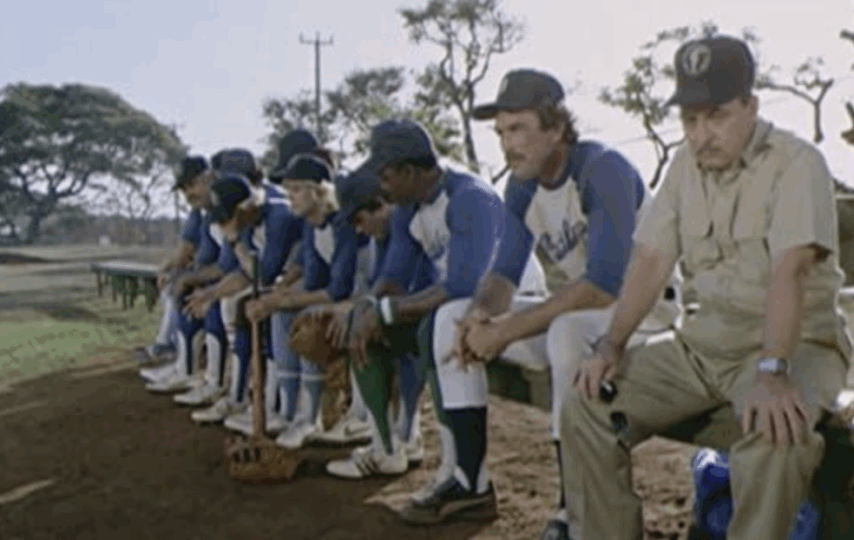
Magnum P.I. depicted heavy drinking, a poor diet (including ice cream for breakfast), and occasional smoking by side characters, yet the heroes maintained peak physical fitness, suggesting immunity to consequence. Invincible protagonists engaging in risky behaviors without visible health decline sent the message that lifestyle choices didn’t matter for the young and fit. The Golden Girls treated Rose, Blanche, and Dorothy’s frequent consumption of rich food and casual discussions of unhealthy choices as comedy, reflecting a period where dieting and moderation were not yet universally serious themes. Health risks became lighthearted vices or personality quirks rather than genuine concerns.
Absence of anti-smoking messaging
Unlike drug use or alcoholism, which became subjects of severe “Very Special Episodes,” the long-term dangers of tobacco were avoided mainly by non-educational programming. The complete lack of warning labels, disclaimers, or negative character arcs directly tied to tobacco use suggested that long-term risk was not yet considered a compelling TV drama point, contrasting sharply with modern depictions.
Conclusion
The casual treatment of smoking in 1980s television demonstrated how far society lagged behind medical science in recognizing and acting on known health threats, normalizing behaviors that would become socially unacceptable within a generation.
Related:
Like MediaFeed’s content? Be sure to follow us. This article was syndicated by MediaFeed.org.
AlertMe