Key Takeaways:
- When you lose weight, some weird — but good — things can happen, like a sharper memory and lighter or more regular periods.
- Some not-so-good, unexpected things can happen, too, like feeling hungrier, getting drunk quicker, and losing muscle.
- Most negative changes are temporary and can be avoided or fixed with lifestyle changes.
For the most part, losing weight leads to many good things: more energy, better sleep, less breathlessness, and a reduced chance of type 2 diabetes, stroke, and heart disease.
But there are some weird things that happen when you lose weight, such as muffled hearing, better memory, and changes to your menstrual cycle. “Weight loss can sometimes lead to unexpected side effects, such as temporary fatigue, hair thinning, or changes in menstrual cycles as the body adapts to a new metabolic state,” says board-certified physician Lynn Marie Morski, MD.
Read on for more possible unexpected effects, what’s behind these weird side effects, and how to fix or avoid them.
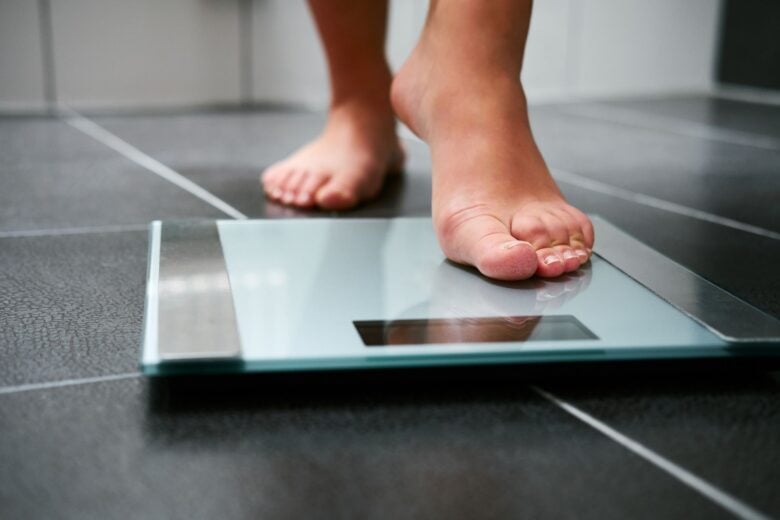
Image Credit: Rostislav_Sedlacek/istockphoto.
1. Your Periods Might Change
Your periods might change when you lose weight — for better or worse.
A survey of more than 4,600 women found that weight loss was linked to irregular periods for women with obesity or abdominal obesity (excess fat around the center of the body). Weight loss can also lead to your periods temporarily stopping.
On the flip side, obesity is linked to higher odds of:
- Irregular periods
- Heavier periods
- Premenstrual syndrome (PMS)
So, losing weight might make your periods more regular and lighter while reducing PMS symptoms.
Advice: Lose weight gradually to avoid stressing your body. Know that menstrual cycle changes might not last forever.

Image Credit: Carolina Rudah / iStock.
2. Your Memory Can Improve
Losing weight could improve your cognition and mental performance.
A small study found that weight loss through diet changes increased brain activity and decreased plasma-free fatty acids (FFAs) — compounds in the blood linked to chronic disease. Weight loss in the study led to better performance on memory tests.
Further research shows weight loss in those with obesity and overweight can improve:
- Memory
- Attention
- Language
- Executive function (planning and problem-solving)
Advice: Enjoy the potential cognitive benefits of losing weight.

Image Credit: Drazen Zigic/Istockphoto.
3. Your Bone Density Can Change
When you lose weight, there’s less physical stress (mechanical loading) on your bones. Stress strengthens bones. So, without it, your bones can become weaker.
If you’re eating fewer calories, you might consume less protein, calcium, and vitamin D than you were before, all of which are needed for maintaining strong bones.
Advice: Get enough protein, calcium, and vitamin D through whole foods and supplements if needed (ask your provider about this). Focus on jump training to maintain and improve bone mineral density.

Image Credit: MilanMarkovic/Istockphoto.
4. You Might Have Better Intimacy
A review of studies found links between obesity with poor function, along with an association between weight loss and improved function.
A 2023 study found that, in women with obesity and dysfunction, weight loss improved:
- Satisfaction
- Arousal
- Lubrication
Advice: Enjoy the potential benefits losing weight has on your intimate life.

Image Credit: Jorge Elizaquibel/istockphoto.
5. You Might Lose Some Hair
Losing weight quickly, or losing a lot of weight overall, is stressful for your body (remember, even good change can cause temporary stress). It can trigger a type of hair loss called telogen effluvium. This might happen if you lose 20 pounds or more, for example.
Telogen effluvium can happen a few months after a stressful event, and — rather than a bald spot — you might notice more hair shedding all over.
Advice: Telogen effluvium isn’t permanent. Your hair should grow back to full thickness in 6 to 9 months. Hair loss treatments, like minoxidil, might speed things up and prevent further hair loss.

Image Credit: Drazen Zigic/Istockphoto.
6. You Might Feel Hungrier
In a cruel twist of fate, your body might fight back against weight loss by slowing your metabolism, increasing hunger hormones, and increasing cravings for sugary and fatty foods.
These changes can make it harder to stick to nutritious foods, continue losing weight, and maintain weight loss long-term.
Advice: Keep hunger in check by eating plenty of protein and fiber, drinking lots of water, and getting enough sleep. Weight loss medications can help reduce appetite to aid weight loss and weight maintenance.

Image Credit: Carolina Rudah/Istockphoto.
7. Your Alcohol Tolerance Might Change
Think you can hold your liquor? That might change as you lose weight.
A small study found that blood alcohol concentration (BAC) increased faster and was twice as high in women who had undergone weight loss surgery compared to those who hadn’t. The women who had weight loss surgery felt more drunk, too.
We should note, however, that the authors of that study believe the increased BAC is at least partly due to surgery-related changes in gastric anatomy.
On the flip side, if you’re taking weight loss medication like a glucagon-like peptide-1 (GLP-1) receptor agonist, it might take longer for alcohol to affect you because the medication slows digestion.
Research shows that GLP-1s can delay the rise in blood alcohol concentration by 20 minutes.
Advice: Be aware that the same amount of alcohol you used to drink might make you feel drunker or take longer to affect you, depending on how you lose weight.

Image Credit: DepositPhotos.com.
8. Your Hearing Might Get Muffled
Eustachian tubes are the tubes connecting the middle of your ear to the back of your throat. Eustachian tube dysfunction (ETD) is when these tubes don’t properly clear themselves or maintain pressure.
Symptoms of ETD include:
- A feeling of fullness in your ears
- Popping sounds
- Earache
- Reduced hearing
- Ringing in your ears (tinnitus)
- Balance issues
Rapid weight loss can cause ETD as you lose supporting fat around the tubes. ETD is seen in people who’ve had bariatric surgery and those taking GLP-1s.
Advice: Slow and steady weight loss might help. ETD symptoms should improve with time, but reach out for medical advice if not.

Image Credit: Douglas Cliff / iStock.
9. Your Anxiety Might Get Worse — or Better
Weight loss is linked to anxiety. You might feel anxious if you’re:
- Making drastic lifestyle changes
- Starting a new weight loss medication
- Calorie counting or restricting yourself to lose weight
- Setting big weight loss goals
On the other hand, obesity is also linked to mental health issues, including anxiety. So, losing weight might actually improve your mental health in the long run.
Advice: Get support from loved ones or a therapist, set realistic goals, and lose weight in a sustainable way — without the pressure.

Image Credit: Carolina Rudah/istockphoto.
10. You Might Lose Muscle
As you lose body fat, you might lose muscle mass at the same time. This can impact your physical function while making weight loss and weight maintenance harder because muscle burns more calories than fat.
Muscle loss is more likely if you lose weight quickly.
Advice: Lose weight gradually, eat plenty of protein, and strength train to maintain and build muscle as you lose fat.

Image Credit: fizkes/Istockphoto.
11. You Might Get Gallstones
Gallstones are hard stones made of cholesterol and a compound called bilirubin. They form in your gallbladder and either don’t cause any symptoms or, when they block bile ducts, cause stomach pain that can last several hours.
Losing weight quickly is a risk factor for gallstones. Rapid weight loss causes your liver to release more cholesterol into bile and your gallbladder to empty more slowly. This increases the odds of gallstones forming.
Advice: Lose weight gradually. Aim to lose about 1 to 2 pounds a week.

Image Credit: JNemchinova/Istockphoto.
Weird Things That Happen When You Lose Weight: Wrapping It Up
Weight loss can lead to many improvements in your health, wellness, and daily life. But there are some weird side effects that might crop up on your weight loss journey.
Here’s the tl;dr:
- Some good, unexpected things can happen when you lose weight. You might have better memory and cognition, an improved sex life, and more regular or lighter periods.
- Some other weird things can happen, too. You might feel hungrier, get drunk quicker, and lose some muscle, hair, and bone density.
- Most changes are temporary or can be avoided or fixed. Lose weight slowly to minimize the risks of rapid weight loss, consider weight loss medication if you need to control hunger, eat nutritious foods (including plenty of protein), and strength train to maintain muscle and bone strength.
Finally, get expert advice. A healthcare provider can diagnose any issues and recommend the best course of action. Weight loss experts can also help you develop a weight loss plan to lose weight safely and gradually.
What does losing 30 pounds do to your body?
Losing 30 pounds can significantly improve your health, depending on your starting weight. You might have more energy, better sleep, improved brain function, and a reduced risk of diabetes, stroke, and some types of cancer. You might also notice weird things, like more hunger, hair loss, some muscle loss, and a lower alcohol tolerance.
Does your body feel weird when you lose weight?
Your body might feel weird when you lose weight, depending on how quickly you lose weight and how you adjust to the changes. You may notice more energy and better memory. But you might also experience more hunger, some hair loss, or take time to get used to your new body shape.
What are the negative side effects of losing weight?
Negative side effects of losing weight include gallstones, changes in your menstrual cycle (or losing your periods altogether), and losing some muscle, hair, and bone density. These negative effects are usually linked to rapid or substantial weight loss and can be temporary or fixed with healthy lifestyle adjustments.
Related:
- BMI Calculator for Women: BMI Chart, Healthy Ranges, and Tips
- Protein for Weight Loss: How Much Protein Should You Eat?
Like MediaFeed’s content? Be sure to follow us.
This article originally appeared on ForHers.com and was syndicated by MediaFeed.org.
AlertMe