Automotive trends from the ’60s and ’70s that would never pass inspection today
Driving in the 1960s and 1970s meant navigating vehicles specifically designed for style over survival. These nine trends illustrate how far safety has evolved.

Image Credit: Highsmith, Carol M/ Library of Congress
No seatbelts required
Seatbelts weren’t mandatory until 1968. Most early 1960s cars lacked them entirely. When Ford offered seat belts for $9 in 1956, only 2% of buyers chose them. Drivers believed being thrown from vehicles was safer than being trapped. Even after 1968, usage rates remained below 15 percent through the early 1980s.

Althom / iStock
Rigid steel steering columns
Non-collapsible steering columns acted like lances during collisions, impaling drivers through the chest or head. The solid shaft transmitted full impact force directly to the driver. General Motors pioneered collapsible columns in 1967, which became federally mandated by 1968.

Image Credit: DutchScenery / istockphoto.
Metal dashboards without padding
Unpadded metal dashboards with sharp knobs and chrome turned collisions into skull-fracturing hazards. The 1957 Buick Roadmaster exemplified this with zero cushioning. Federal standards in the late 1960s required padded vinyl dashboards. Modern vehicles use soft materials and airbags.

Image Credit: iStock/different_Brian.
Sharp hood ornaments
Chrome hood ornaments adorned vehicles like decorative weapons, posing severe pedestrian hazards. These upright sculptures punctured anything they collided with. Spring-loaded alternatives appeared in the 1960s. Most manufacturers phased them out by the late 1970s.

Image Credit: Sjonja/iStock
Minimal chrome bumpers
Chrome bumpers prioritized style over protection with no impact absorption. These slim bars led to costly repairs. The 1973 model year introduced standards requiring five miles per hour impact resistance. By 1974, bumpers had grown noticeably larger, and standards were relaxed in 1982.
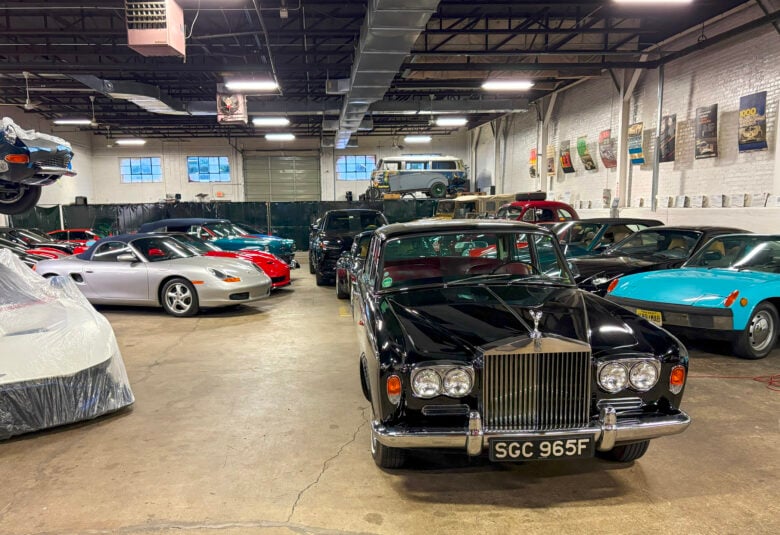
Image Credit: WoodysPhotos/iStock
No child safety seats
Children roamed freely in vehicles, standing on seats or bouncing between passengers. Infant safety seats didn’t gain consideration until the late 1960s. General Motors and Ford introduced early models in the 1970s, with limited use. State laws mandating child car seats didn’t pass until 1985.
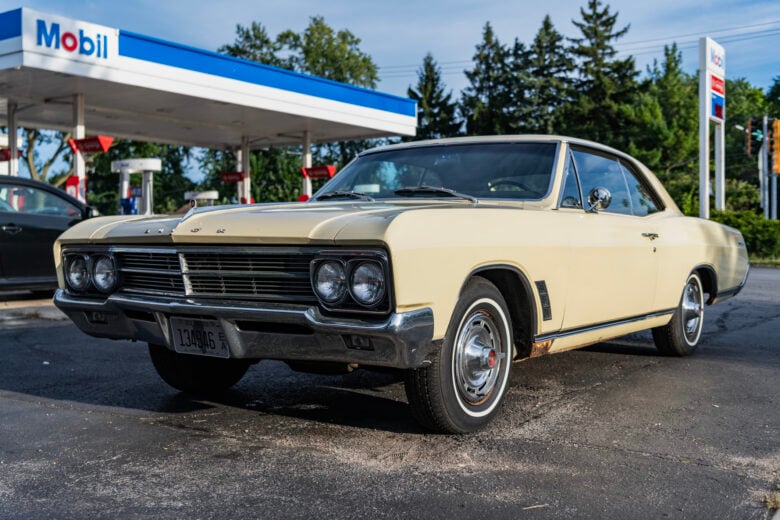
Image Credit: photosvit/iStock
Leaded gasoline everywhere
Leaded gasoline fueled every vehicle through the 1970s despite health evidence. Lead particles poisoned children’s brains, causing neurological damage and learning disabilities. Phase-out began in the mid-1970s but wasn’t complete until 1996.

Image Credit: kyolshin/iStock
Rear-mounted fuel tanks
Manufacturers positioned fuel tanks directly behind rear bumpers, where they absorbed collision force. This turned fender-benders into fire hazards as tanks ruptured, spilling gasoline. The Ford Pinto scandal highlighted this flaw. Congressional testimony in 1973 mandated crash testing.

Image Credit: VeugerStock/iStock
Lap-only seatbelts
Early seatbelts consisted of single waist straps that concentrated crash forces on the abdomen, crushing organs and causing spinal injuries. Medical professionals coined the term “seatbelt syndrome” to describe this damage. Volvo pioneered the three-point seatbelt in 1959. American manufacturers delayed adoption until the late 1970s.

Roman Stasiuk / iStock
Wrapping up
The transformation in automotive safety from the 1960s to today reflects fundamental shifts in engineering priorities and regulatory oversight. Features once considered standard now seem incomprehensibly dangerous, from optional seatbelts to impaling steering columns. This evolution required decades of research, countless tragedies, and persistent advocacy to convince manufacturers that safety matters more than style.
Related:
- 12 unhealthy driving habits from the ’80s that were normal
- Family cars that defined Christmas travel in the ’80s
Like MediaFeed’s content? Be sure to follow us.
This article was syndicated by MediaFeed.org.
AlertMe