Beyond locks: 10 smart ways to burglar-proof your home
Most homeowners place considerable faith in their deadbolts and security systems, believing these traditional measures provide adequate protection against intruders. While quality locks certainly represent an essential first line of defense, treating them as the complete solution creates a dangerous illusion of security. Even the most expensive locks can be picked, bypassed, or simply ignored when criminals find alternative entry points that homeowners never considered vulnerable.
Today’s burglars have evolved far beyond the stereotypical image of someone fumbling with lock picks in the dead of night. Modern criminals conduct surveillance through social media, exploit smart home vulnerabilities, and study neighborhood patterns to identify the easiest targets. They understand that most break-ins occur during daylight hours when residents are away, and they’ve learned to spot the telltale signs of unoccupied homes from blocks away.
True home security requires thinking like an adversary and building multiple layers of protection that extend far beyond your front door. The most effective approach combines innovative technology, strategic planning, and behavioral changes that make your property appear risky and unprofitable to potential intruders. These comprehensive strategies not only protect your belongings but also create an environment that deters criminals from targeting your home, as they would likely move on to easier targets.

Image Credit: Thank you for your assistance / iStockphoto.
Smart lighting and automation
Strategic lighting represents one of the most cost-effective deterrents available to homeowners, yet many people underestimate its psychological impact on potential intruders. Modern smart lighting systems allow you to program lights to turn on and off in realistic patterns that simulate normal household activity, even when you’re thousands of miles away. Motion-activated exterior lighting can startle would-be burglars and draw unwanted attention to their activities.
The effectiveness of lighting lies in exploiting criminals’ preference for operating under the cover of darkness and their desire to target homes that appear unoccupied. Automated interior lighting that follows believable schedules, combined with exterior fixtures that eliminate hiding spots, creates an environment where intruders feel exposed and observed. Intelligent systems can even be programmed to respond differently based on time of day, season, or your specific travel schedule.

Image Credit: Depositphotos.com.
Strategic landscaping
Your yard’s design plays a crucial role in either welcoming intruders or deterring them from attempting entry. Overgrown shrubs near windows and doors provide perfect concealment for criminals working on locks or breaking glass, while poorly maintained landscapes suggest that homeowners aren’t paying attention to security details. Defensive landscaping involves removing hiding spots, creating clear sightlines from the street, and using natural barriers to make the approach more difficult.
Consider planting thorny bushes like roses or barberry beneath ground-floor windows, ensuring that any landscaping near entry points remains below three feet in height. Gravel pathways create noise that alerts you to approaching footsteps, while strategic placement of outdoor seating or decorative elements can eliminate secluded areas where intruders might work unobserved. The goal is to create an environment where anyone approaching your home feels visible and exposed to neighbors or passersby.

Image Credit: Aleksandr Zyablitskiy/iStockphoto.
Reinforce sliding doors and windows
Sliding glass doors and windows represent some of the most vulnerable entry points in modern homes, yet they often receive minimal security attention beyond basic latches. These large glass panels can be lifted out of their tracks, and their locking mechanisms are frequently inadequate against determined intruders. Professional security experts recommend multiple reinforcement strategies, including security bars, track blockers, and specialized locking systems designed specifically for sliding entries.
Simple solutions like placing a wooden dowel or metal bar in the door track can prevent forced entry, while security film applied to glass surfaces makes breaking through much more difficult and time-consuming. For sliding windows, consider installing locks at both the top and bottom of the frame, and ensure that screens are securely fastened to prevent easy removal from the outside.
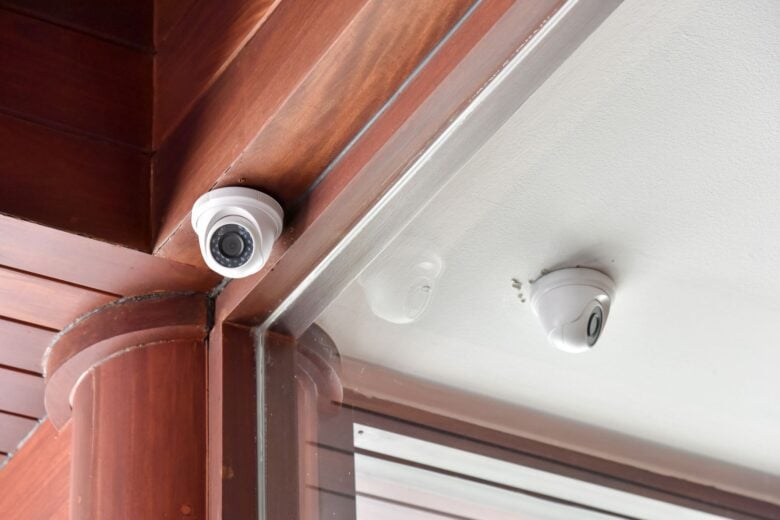
Image Credit: Jiggo_thekop/Istockphoto.
Leverage smart home technology beyond cameras
While security cameras get most of the attention in smart home discussions, numerous other technologies can enhance your property’s protection in less apparent ways. Smart doorbells with video capability allow you to interact with visitors remotely, creating the impression that you’re home even when traveling. Smart sensors can detect glass breakage, unusual vibrations, or unexpected door openings, sending instant alerts to your smartphone.
Automated smart locks can be programmed to secure themselves at specific times and provide access logs showing exactly when entries occurred. Environmental sensors can detect changes in temperature or humidity that might indicate an open door or window, while smart smoke detectors can distinguish between different types of emergencies and alert you to potential break-ins disguised as other incidents.

Image Credit: Dima Berlin/Istockphoto.
Cultivate a neighborhood watch mentality
Strong community connections remain one of the most effective deterrents against property crime, even without formal neighborhood watch programs. Simply knowing your neighbors’ names, routines, and vehicles creates an informal network of eyes and ears that can spot suspicious activity quickly. Research consistently shows that neighborhoods with higher social cohesion experience significantly lower crime rates than areas where residents remain isolated from each other.
Regular communication with nearby homeowners allows you to coordinate vacation coverage, share information about suspicious individuals or vehicles, and create the appearance of constant surveillance that criminals find unnerving. Even simple gestures, such as accepting packages for traveling neighbors or occasionally parking in each other’s driveways, can significantly enhance everyone’s security.

Image Credit: Wachiwit / iStockphoto.
Don’t announce your absence on social media
Social media platforms have become treasure troves of information for criminals planning break-ins, yet many people continue posting real-time updates about vacations, business trips, and extended absences. Cybersecurity experts consistently warn that geolocation features, photo timestamps, and casual mentions of travel plans provide criminals with detailed intelligence about when homes will be unoccupied and for how long.
The safest approach involves sharing travel experiences only after returning home, disabling automatic location tagging on photos, and avoiding posts that reference empty houses or upcoming departures. Consider your social media audience carefully; even trusted friends might inadvertently share information that reaches unintended recipients who could exploit your absence.

Image Credit: ANGEL RAMIREZ/ iStock
Manage deliveries and mail when away
Accumulated mail, newspapers, and packages create obvious signals that homeowners are away, essentially advertising empty properties to opportunistic criminals. Mail theft has also become increasingly common, providing criminals with personal information that can be used for identity theft or to gather intelligence about your habits and financial situation.
Professional mail holds through the postal service, trusted neighbor collection arrangements, or secure parcel lockers can eliminate these telltale signs of absence. For extended trips, consider having someone mow your lawn, remove flyers from your door, and maintain the general appearance that everyday activities are continuing at your property.

Image Credit: DragonImages/Istockphoto.
Secure your Wi-Fi network
Unsecured wireless networks provide criminals with potential access to your smart home devices, personal information, and behavioral patterns that can inform burglary planning. Cybersecurity research reveals that many smart home devices ship with default passwords that are never changed, creating easy entry points for tech-savvy criminals who can monitor your routines or disable security systems remotely.
Strong, unique passwords for your router and all connected devices, regular firmware updates, and network segmentation can prevent unauthorized access to your digital life. Consider creating a separate guest network for visitors and smart devices, keeping your primary network reserved for computers and phones that contain sensitive personal information.

Image Credit: AV-photo/Istockphoto.
Store valuables smartly
Burglars typically head straight to master bedrooms during break-ins, knowing that most people store jewelry, cash, and essential documents in prominent locations like dresser drawers and nightstands. Professional security consultants recommend diversifying storage locations, using unconventional hiding spots, and removing high-value items from plain sight through windows.
Small fireproof safes can protect essential documents and modest amounts of cash, while bank safety deposit boxes provide ultimate security for irreplaceable items like heirloom jewelry or rare collectibles. For electronics and other valuable items that must remain accessible, ensure they’re not visible from windows and consider using furniture or decorative elements to obscure them from casual observation.

Image Credit: ESezer / iStock.
Create the illusion of activity
The most successful home security strategy involves making your property appear occupied even during extended absences, requiring criminals to assume someone might discover them at any moment. Security professionals recommend multiple techniques for maintaining the appearance of regular household activity, from leaving televisions or radios playing to coordinating with neighbors for occasional driveway parking.
Automated systems can control not just lighting but also electronics that create realistic sound patterns throughout the day. Simple actions, such as having neighbors put out your trash cans on collection day or occasionally moving your car, can help maintain the illusion that daily routines are continuing normally.

Image Credit: LuckyBusiness / iStock.
The mindset of a burglar
Understanding criminal psychology reveals that most burglars operate on a simple risk-versus-reward calculation, seeking targets that offer maximum potential gain with minimal chance of getting caught. They prefer quick, easy entries that can be completed in under ten minutes, targeting homes that appear unoccupied and offer clear escape routes. Professional criminals often conduct surveillance for days or weeks, learning residents’ schedules and identifying the most vulnerable entry points.
The goal of comprehensive home security isn’t necessarily stopping a determined professional criminal with unlimited time and resources. Instead, effective deterrence focuses on making your property appear more challenging and risky than neighboring alternatives, encouraging criminals to move on to easier targets rather than investing the time and effort required to overcome multiple security layers.

Image Credit: Diy13/Istockphoto.
Conclusion
Practical home security functions like an immune system, with multiple overlapping defenses that compensate for each other’s weaknesses and create redundancy that criminals find discouraging. No single measure provides complete protection, but combining innovative technology, strategic planning, and behavioral awareness creates an environment where successful break-ins become significantly more difficult and risky for potential intruders.
The peace of mind that comes from comprehensive security planning extends beyond protecting material possessions to encompass your family’s safety and your ability to travel or work without constantly worrying about your home’s vulnerability. These proactive measures require an initial investment of time and money, but they provide ongoing protection that adapts to changing circumstances and evolving criminal tactics.
Take time to honestly assess your current security measures and identify areas where these strategies could enhance your protection. Check out our other home safety articles here at MediaFeed for more insights into creating a secure, comfortable living environment.
Related:
- 10 hidden signs burglars are about to rob your house
- States where your car is most likely to get stolen
Like MediaFeed’s content? Be sure to follow us.
This article was syndicated by MediaFeed.org.
AlertMe