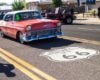
The ’60s weren’t just groovy, they were dangerous
Route 66 in 1965 meant kids hanging out of windows, no seat belts, Dad with a beer between his legs, and nobody thought twice about any of it. The 1960s represented the peak of American car culture: freedom, rebellion, and wide-open highways stretching toward endless horizons. But those everyday driving habits would land you in handcuffs today, facing steep fines, arrests, or child endangerment charges that could wreck your life.
Driving without seatbelts was completely normal
Seat belts weren’t mandatory until 1968, and most people simply ignored them for years thereafter. Modern consequences include massive fines and potential child endangerment charges. New York became the first state to require seatbelt use in 1984, nearly two decades after installation requirements began.
Kids roamed totally free in moving cars
Children rode in the front seats, stood on the floorboards, or sat on laps without restraints during trips. Modern consequences mean instant felony-level child endangerment charges. Car seats existed, but few parents used them. Tennessee passed the first child restraint law in 1979.
Drinking while driving was surprisingly common
Some states didn’t prohibit drinking if “not intoxicated”, treating drunk driving as a mere “folk crime” where juries routinely acquitted offenders. Modern consequences include DUI charges, massive fines, and jail time. Open container laws weren’t widespread until the 1980s. Passengers legally drank in moving vehicles.
Piling people into trunks was acceptable
Station wagons filled with kids and teens riding in trunks on family road trips were completely standard. Modern consequences include reckless endangerment citations. This was considered fun bonding, not dangerous behavior.
Riding in pickup truck beds everywhere
Common for kids and adults to be on highways at high speeds without protection whatsoever. Modern consequences vary: illegal in many states. Families treated it like an open-air convertible experience.
Minimal driver’s education requirements
Some states had barely-there testing or none in the 1960s. Modern consequences mean you’d fail instantly under today’s standards. What’s changed includes standardized testing, stricter training, and mandatory nationwide comprehensive examinations.
Unlimited highway speeds in regions
Parts of the U.S. had no posted speed limits until the mid-1970s, treating speed as the right issue. Modern consequences include arrest for reckless driving. Montana and western states embraced unrestricted driving.
No mandatory car insurance
Car insurance wasn’t universal and often optional throughout the 1960s. Modern consequences include massive fines, license suspension, and impoundment. Liability wasn’t top-of-mind; many drove uninsured without repercussions.
Hitchhiking was a normalized practice
Picking up hitchhikers or hitchhiking yourself was widely accepted across American highways. Modern consequences include safety risks, legal issues, and trafficking awareness. Stranger danger awareness ended this practice.
Smoking with kids in cars
Totally legal to smoke with children in enclosed vehicles. Modern consequences include being illegal in many states, with significant fines. Secondhand smoke laws changed everything.
Wrapping up
The 1960s represented a wildly different era for road safety, one that feels unbelievable through today’s strict legal and cultural lens of protection. These outdated practices show how far we’ve come in protecting drivers, passengers, and kids through legislation, enforcement, and cultural shifts.
Related:
- Surprising places people used to smoke without even thinking
- Avoid keeping these items in your car to stay safe
Like MediaFeed’s content? Be sure to follow us.
This article was syndicated by MediaFeed.org.
AlertMe