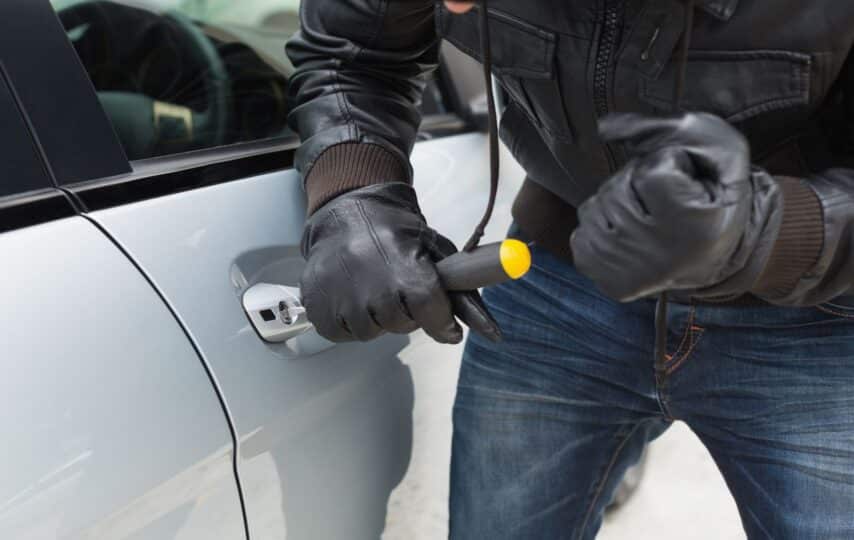

The local anomaly: Why Illinois fought a rise amidst national decline
The Illinois vehicle theft situation in 2023 stands in stark contrast to the broader national trend, creating a puzzling anomaly that demands closer examination and explanation. While the United States experienced a 23% decline in vehicle thefts during the first half of 2025 compared to the same period in 2024, according to the National Insurance Crime Bureau (NICB), Illinois had previously experienced a dramatic 38% increase in vehicle thefts during 2023, making it the most significant growth of any state and establishing it as a critical regional focus for law enforcement, policymakers, and residents. This divergence between national success and state-level crisis highlights how localized factors can overwhelm broader trends, creating pockets of vulnerability even as the country as a whole makes progress against vehicle crime.
Unpacking the local crisis
Specific factors drove the dramatic 2023 rise in Illinois vehicle thefts, with viral social media trends targeting specific vehicle models playing a particularly destructive role in the state’s crime surge. David J. Glawe, President and CEO of NICB, noted that “the significant declines we are seeing in 2025 demonstrate the effectiveness of collaborative efforts by law enforcement, automakers, insurers, and the National Insurance Crime Bureau,” highlighting how coordinated responses eventually helped address the crisis. The “Kia Challenge,” which spread across TikTok and other platforms, showed thieves how to exploit vulnerabilities in confident Kia and Hyundai models manufactured between 2011 and 2021 that lacked electronic immobilizers, leading to a wave of thefts targeting these specific vehicles. The regional concentration of the theft spike occurred primarily in major urban centers like Chicago, where high population density, abundant targets, and organized theft rings, combined with social media-driven amateur thefts, created a perfect storm of vehicle crime.
Current trends and vigilance
Illinois has seen recent improvements in vehicle theft rates as part of the national trend. The NICB reports that 49 states, the District of Columbia, and Puerto Rico experienced fewer thefts in the first half of 2025. However, the state remains an area where residents must maintain extreme vigilance regarding vehicle security. Specific vehicle models, particularly the Hyundai Elantra (11,329 thefts nationally), the Hyundai Sonata (9,154 thefts), and the Kia Optima (6,011 thefts) remain among America’s most frequently stolen vehicles in the first half of 2025, according to NICB data. The ongoing risk means that Illinois residents cannot afford complacency even as national trends improve, requiring continued attention to prevention measures and security practices.
Localized prevention for high-risk regions
Prevention measures for Illinois residents in urban, high-theft environments should include multiple layers of security rather than relying on single deterrents. NICB recommends parking in well-lit areas where increased visibility deters thieves, locking doors since criminals often test handles to choose targets, and never leaving vehicles running while unattended. Installing additional security measures, such as steering wheel locks, audible alarms, kill switches, or aftermarket GPS tracking, creates redundancy that ensures protection even if one security layer fails. Rolling up windows and always taking keys when exiting the vehicle, even for brief stops, prevents opportunistic thefts that can occur in moments.
Conclusion
While national trends provide optimism that vehicle theft can be effectively combated, with the national average theft rate falling from 126.62 per 100,000 residents in the first half of 2024 to 97.33 in the first half of 2025, the Illinois experience demonstrates that localized efforts and community awareness remain essential to address regional spikes. Bringing rates back in line with national progress requires sustained attention from manufacturers providing security updates, law enforcement targeting organized theft rings, policymakers addressing root causes, and residents maintaining vigilance about vehicle security in ways that acknowledge heightened risks in urban environments.
Related:
Like MediaFeed’s content? Be sure to follow us.
This article was syndicated by MediaFeed.org.
AlertMe