
The worst-rated movies ever, according to Rotten Tomatoes
In the digital age of film criticism, few platforms wield as much influence over public perception as Rotten Tomatoes. This aggregation site has become the go-to destination for moviegoers seeking quick assessments of a film’s quality, collecting reviews from professional critics and distilling them into easily digestible percentage scores. When a movie earns the coveted “Fresh” rating, it signals broad critical approval, while films that fall below the threshold receive the dreaded “Rotten” designation.
The “Rotten” seal represents more than just negative reviews; it indicates an overwhelming critical consensus that a film has failed to meet even basic standards of entertainment or craftsmanship. These movies have disappointed critics across the board, earning such universally harsh assessments that their scores plummet to embarrassing depths. While individual tastes certainly vary, these films represent a remarkable level of critical agreement about their fundamental inadequacies.
This examination delves into the cinematic disasters that have achieved the dubious honor of earning some of the lowest scores in Rotten Tomatoes history. From big-budget blockbusters that crashed and burned to independent efforts that missed their mark entirely, these movies serve as cautionary tales about what happens when filmmaking goes catastrophically wrong. Understanding these failures offers valuable insights into the delicate balance required to create successful cinema.

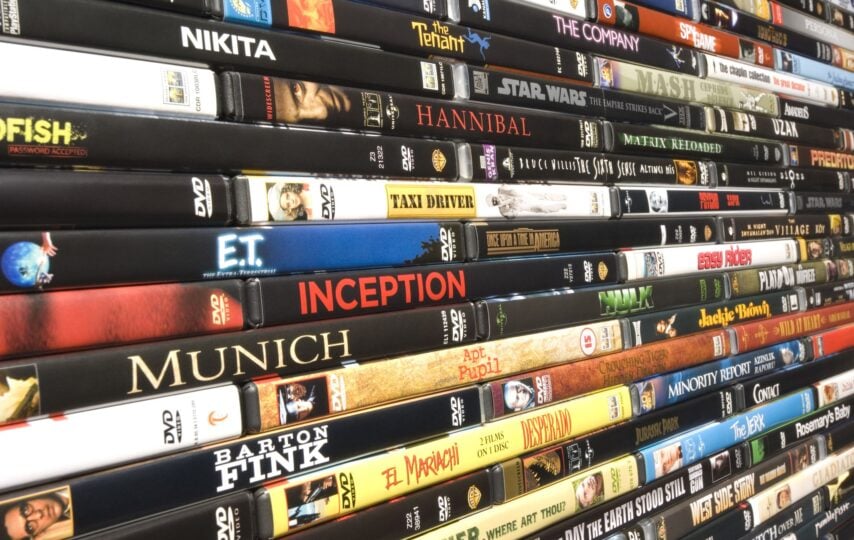
Image Credit: FlashMovie/Istockphoto.
Understanding the “worst”
The methodology behind Rotten Tomatoes scores provides crucial context for understanding these cinematic failures. The platform calculates its Tomatometer percentage based on the proportion of critics who give a film a positive review, regardless of how enthusiastic or lukewarm that positivity might be. A movie needs positive reviews from at least 60% of critics to earn a “Fresh” rating, while anything below falls into “Rotten” territory.
Films fail critically for numerous reasons, often involving fundamental breakdowns in storytelling, performance, or technical execution. Poor scripts plague many disasters, featuring dialogue that feels unnatural, plots that defy logic, or character development that never materializes. Bad acting can torpedo even well-written material, while directorial missteps can render promising concepts completely unwatchable. Studio interference frequently compounds these problems, as executives attempt to salvage troubled productions through reshoots, re-edits, or misguided marketing campaigns.
Mismatched expectations also contribute to critical pile-ons, particularly when beloved source material receives inadequate adaptations or when star vehicles fail to showcase their leads effectively. While personal taste varies significantly among individual viewers, the films examined here represent such widespread critical disappointment that they’ve achieved an unfortunate form of consensus. These movies didn’t just disappoint some critics; they managed to alienate nearly everyone who reviewed them professionally.

Image credit: IMDB
Ballistic: Ecks vs. Sever (2002)
This action thriller starring Antonio Banderas attempted to capitalize on the popularity of spy films but instead delivered what critics universally deemed startlingly inept filmmaking. The convoluted plot follows two former agents forced to work together, but the execution proved so incompetent that it earned a rare perfect failure score. Critics lambasted the film’s complete lack of wit, coherence, style, or originality, noting that its wall-to-wall action sequences felt more exhausting than exciting.

Image credit: IMDB
One Missed Call (2008)
This J-horror remake demonstrated how not to adapt foreign thriller concepts for American audiences. The film follows a college student who witnesses friends’ deaths after receiving mysterious voicemails from their future selves, but the premise collapsed under bland performances and recycled scares. Critics found the movie utterly devoid of genuine terror, noting that it relied entirely on shopworn shock tactics rather than building genuine suspense or atmosphere.

Image credit: IMDB
Left Behind (2014)
Nicolas Cage’s involvement in this apocalyptic thriller based on the popular Christian book series generated significant attention, but not the kind filmmakers hoped for. The story depicts the chaos following the biblical Rapture, but critics found the execution devastatingly poor. Professional reviewers noted that the film’s heavy-handed religious messaging overwhelmed any potential entertainment value, while technical problems and wooden performances further undermined its credibility.

Image credit: IMDB
A Thousand Words (2012)
Eddie Murphy’s comedy about a fast-talking literary agent cursed to die when a magical tree loses all its leaves suffered from a fundamental flaw: it removed Murphy’s greatest comedic asset, his voice. Critics noted that this painful mess was shot in 2008 but shelved for years, and the dated humor showed every day of that delay. The high-concept premise promised clever wordplay but delivered only tired physical comedy and forced sentimentality.

Image credit: IMDB
Gotti (2018)
John Travolta’s portrayal of infamous mobster John Gotti generated controversy even before its release, but critics found the finished product utterly lacking in redeeming qualities. The biographical drama attempted to humanize the notorious crime boss but instead delivered what reviewers characterized as misguided hagiography. Critics particularly criticized the film’s romanticized view of organized crime and its failure to provide any meaningful insights into its subject’s psychology or historical significance.
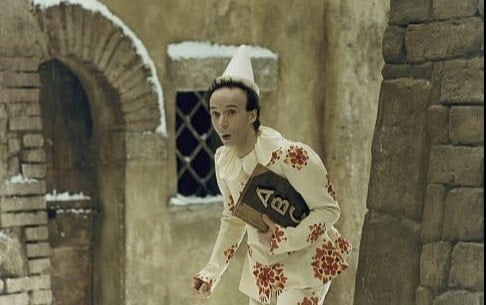
Image credit: IMDB
Pinocchio (2002)
Roberto Benigni’s live-action adaptation of the beloved children’s story became infamous for all the wrong reasons. The Oscar-winning director’s decision to cast himself as the wooden puppet, despite being in his fifties, struck critics as profoundly misguided. Professional reviewers found this vanity project both unfunny and deeply unsettling, noting that Benigni’s manic performance style translated poorly to this particular material.

Image credit: IMDB
Superbabies: Baby Geniuses 2 (2004)
This sequel to the already poorly received “Baby Geniuses” somehow managed to sink even lower in critical estimation. The film’s premise about super-intelligent toddlers fighting an evil media mogul provided little comedic material that worked for audiences beyond very young children. Critics noted that the movie’s attempts at humor felt forced and desperate, while the special effects used to make babies appear to talk looked unconvincing and disturbing.
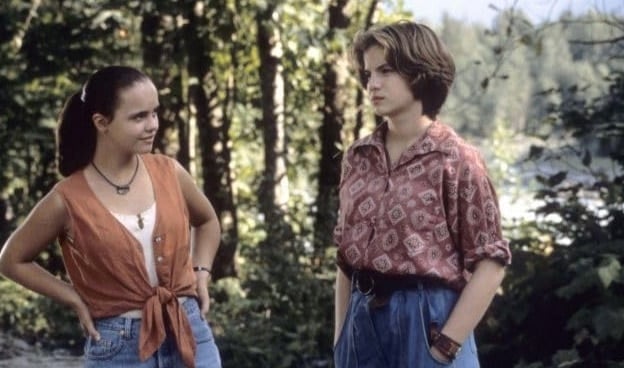
Image credit: IMDB
Gold Diggers: The Secret of Bear Mountain (2000)
This comedy about two young men attempting to rob elderly sisters failed to generate laughs despite its outrageous premise. Critics found the film’s attempts at Farrelly Brothers-style offensiveness completely toothless, noting that the PG-13 rating prevented it from fully committing to its inappropriate humor. The result was a movie that failed to satisfy fans of edgy comedy or those seeking family-friendly entertainment.

Image credit: IMDB
The Last Days of American Crime (2020)
This Netflix thriller about a government signal that prevents criminal behavior attracted attention for its dystopian premise but repelled critics with its execution. Professional reviewers found the film’s violent content gratuitous rather than meaningful, while the convoluted plot failed to support its ambitious sci-fi concepts. The movie’s release during nationwide civil unrest also drew criticism for its tone-deaf portrayal of law enforcement and criminality.

Image credit: IMDB
The Ridiculous 6 (2015)
Adam Sandler’s Western comedy for Netflix attempted to parody the genre but instead became a target for criticism about its offensive content and lazy humor. The film follows a man who discovers five outlaws are his half-brothers, leading to what critics characterized as standard couch fare for Sandler devotees but unwatchable material for everyone else. Professional reviewers noted the movie’s reliance on ethnic stereotypes and scatological humor without any compensating wit or charm.

Image credit: IMDB
Dark Crimes (2018)
Jim Carrey’s attempt at serious dramatic acting in this Polish thriller proved unsuccessful despite his committed performance. The film follows a detective investigating connections between a novel and real murders, but critics found the execution rote and unpleasant. Reviewers noted that the movie failed to generate even modest thrills from its compelling true-story source material, instead delivering a grinding, joyless experience.

Image credit: IMDB
Stratton (2017)
This British action thriller starring Dominic Cooper as a special forces operative suffered from budget limitations and uninspired execution. Critics found the film’s derivative story offered nothing new to the overcrowded action genre, while misguided casting and low production values undermined any potential excitement. The movie’s unimpressive set pieces failed to deliver the thrills that audiences expect from military action films.

Image credit: IMDB
London Fields (2018)
This neo-noir adaptation of Martin Amis’s novel featured an intriguing cast, including Amber Heard and Billy Bob Thornton, but completely bungled its source material. The convoluted story about a clairvoyant woman who foresees her murder became a morbidly curious exercise in how not to adapt literary fiction. Critics noted that the film’s attempts at stylistic flair felt pretentious rather than compelling.
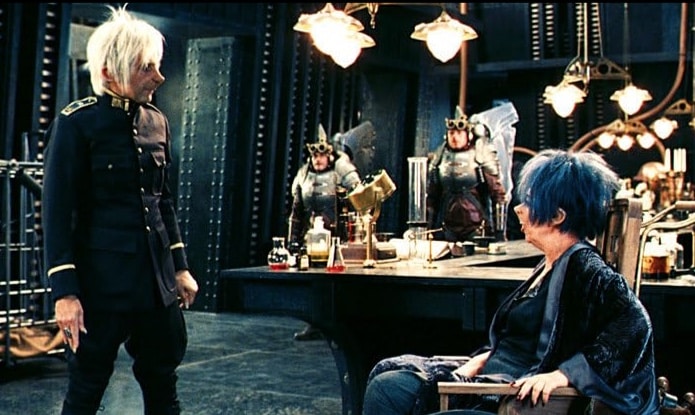
Image credit: IMDB
The Nutcracker (2010)
This adaptation of the beloved ballet featuring Elle Fanning failed to capture the magic of its source material. Critics found the film’s execution lackluster and noted that it offered little to appeal to either children or adults familiar with the classic story. The movie’s failure to generate wonder or excitement from such rich source material particularly disappointed professional reviewers.

Image credit: IMDB
Return to the Blue Lagoon (1991)
This sequel to the controversial 1980 film attempted to recapture its predecessor’s success but instead earned critical scorn. Despite featuring lush tropical scenery and attractive leads, critics found the movie as ridiculous as the original but lacking even its unintentional entertainment value. Professional reviewers noted that the film failed to justify its existence beyond capitalizing on nostalgia for the earlier picture.

Image Credit: IMDb
The aftermath: impact and legacy
Despite their critical failures, several of these movies achieved surprising financial success, demonstrating the disconnect between professional criticism and popular entertainment. Films like “Left Behind” and “A Thousand Words” found audiences among specific demographics, while Netflix releases like “The Ridiculous 6” and “The Last Days of American Crime” generated significant viewership despite their poor reviews. This phenomenon illustrates how star power, marketing budgets, and targeted distribution can overcome critical consensus.
Few of these films have experienced meaningful critical re-evaluation over time, though some have developed cult followings among viewers who appreciate their unintentional humor. The “so bad it’s good” phenomenon has rescued movies like “Ballistic: Ecks vs. Sever” from complete obscurity, as audiences discover entertainment value in their spectacular failures. However, most remain cautionary tales rather than hidden gems waiting for rediscovery.
These cinematic disasters offer valuable lessons about the importance of strong scripts, appropriate casting, and clear directorial vision. They demonstrate how even talented performers like Nicolas Cage, Jim Carrey, and Antonio Banderas can become trapped in projects that waste their abilities. Perhaps most importantly, they remind filmmakers that audiences and critics can forgive many flaws except fundamental incompetence and creative laziness.

Image Credit: demaerre / iStock.
Conclusion
The common thread running through these cinematic catastrophes reveals recurring patterns in filmmaking failure. Poor scripts dominated by exposition, illogical plot developments, and wooden dialogue plague nearly every entry on this list. Many suffered from misguided attempts to capitalize on trends or adapt popular source material without understanding what made the originals successful. Studio interference often compounded these problems, as executives attempted to salvage failing productions through last-minute changes that only made things worse.
Even “bad” movies serve essential functions in the entertainment ecosystem, sparking discussions about filmmaking craft and providing negative examples that help audiences appreciate quality when they encounter it. These failures remind us that creating compelling cinema requires a delicate balance of numerous elements, any of which can sink an entire production if handled poorly. They also demonstrate the subjective nature of entertainment, as even universally panned films can find devoted fans.
Check out our other entertainment analysis articles here at MediaFeed, where we continue exploring both the triumphs and disasters that shape Hollywood’s ever-evolving landscape.
Related:
Like MediaFeed’s content? Be sure to follow us.
This article was syndicated by MediaFeed.org.
AlertMe